
 EN
EN
 ar
ar bg
bg hr
hr cs
cs da
da nl
nl fi
fi fr
fr de
de el
el hi
hi it
it ko
ko no
no pl
pl pt
pt ro
ro ru
ru es
es sv
sv tl
tl iw
iw id
id lv
lv lt
lt sr
sr sk
sk sl
sl uk
uk vi
vi et
et hu
hu th
th tr
tr fa
fa ms
ms hy
hy ka
ka ur
ur bn
bn mn
mn ta
ta kk
kk uz
uz ku
ku
How to Choose the Right Load Cell: A Geotechnical Engineer’s Selection Guide
A mismatched load cell in a dam anchor monitoring project doesn't just produce bad data—it creates a safety liability. Data drift accumulates silently. Critical alerts get missed. Eventually, teams face costly re-instrumentation mid-project. This scenario highlights a harsh reality in geotechnical engineering. Load cells are not interchangeable components. Selecting the wrong type leads to compromised data integrity, project delays, or serious safety risks. You must understand how to choose the right load cell for your specific application. This article provides a practical decision framework for engineers and procurement teams to select structural monitoring sensors with absolute confidence.
What a Load Cell Actually Measures (And What It Doesn't)
Let us establish foundational clarity. A load cell transduces mechanical force into a measurable electrical signal. It does not merely "measure weight." You must distinguish between force measurement, pressure measurement, and displacement measurement. Conflating these distinct concepts often leads to instrument mismatches.
In geotechnical and structural monitoring, the vibrating wire load cell is the dominant choice. It differs significantly from the strain gauge types commonly found in standard industrial settings. Furthermore, the industry now distinguishes between conventional and "smart" load cells. Smart sensors feature onboard signal processing, digital output, and multi-parameter capabilities. Now that we understand their core function, we must evaluate the operating environment.
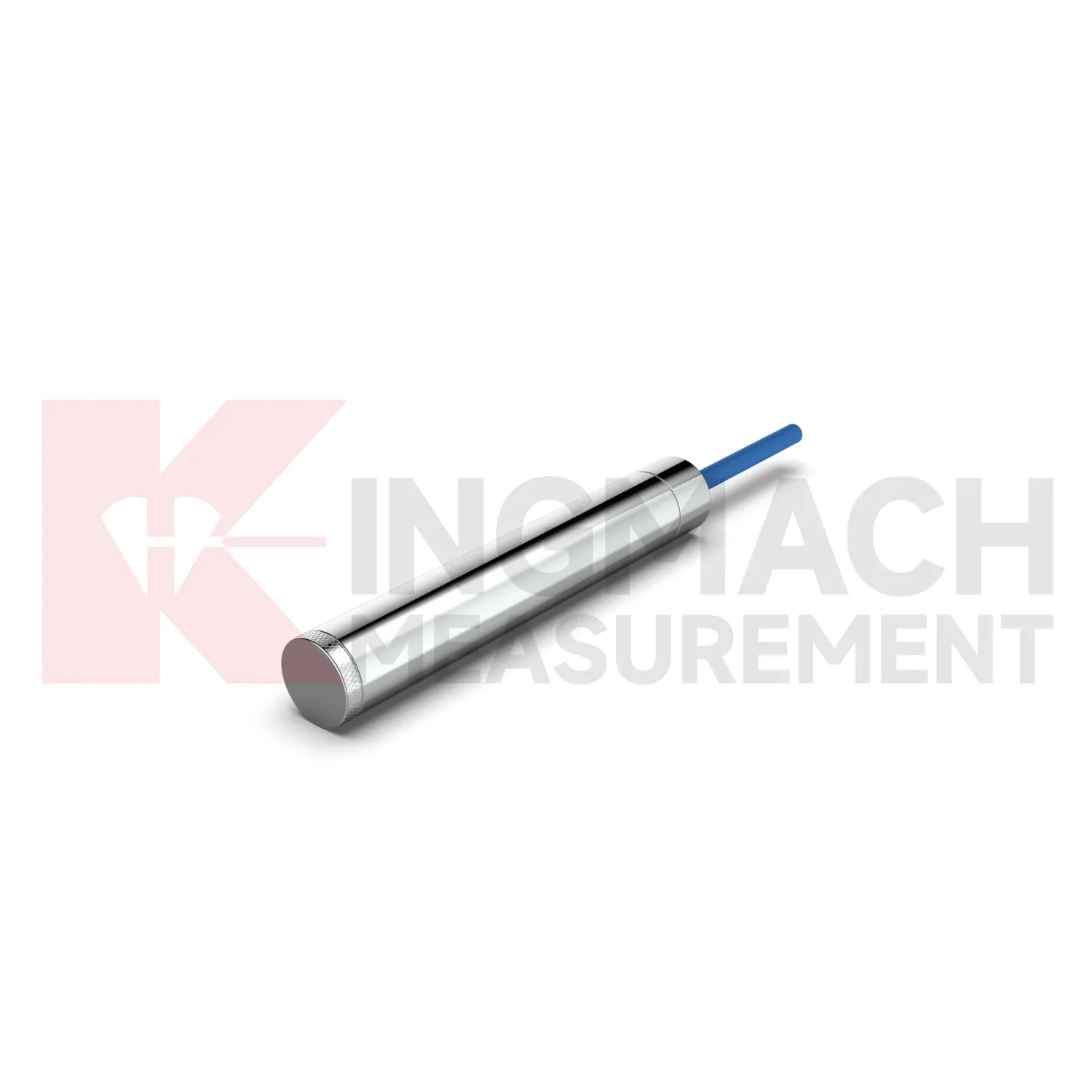
Decision Factor 1: Define Your Measurement Environment First
You must define your measurement environment before considering the load cell type. This approach reframes the selection process and goes beyond generic spec-sheet comparisons.
Soil and rock contact environments require specific designs. Earth pressure cells need flat-face, large-area designs to average out stress concentrations. The Kingmach earth pressure cell ( vw & smart type) family serves this exact purpose. A point-load cell will give systematically false readings in fill materials. Anchor rod, pile, and post-tensioning environments dictate different shapes. Hollow or solid load cells must precisely align with the bolt or cable diameter and the pre-stress magnitude.
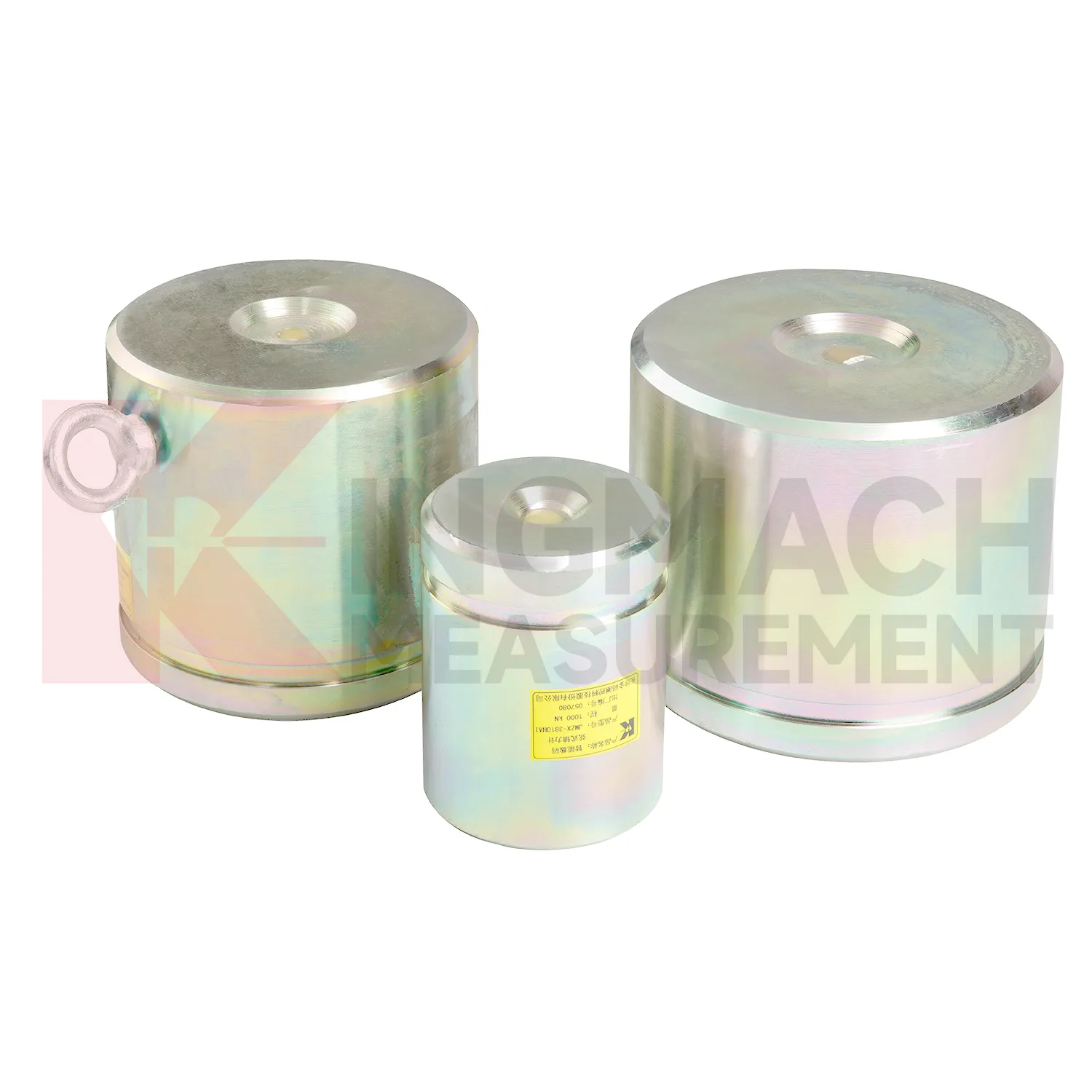
Structural formwork and temporary works demand robust sensors. Formwork axial force meters, such as the smart formwork axial force meter (VW) JMZX-39XXHAT, provide fast-read capabilities and rugged handling tolerance. Water and differential pressure contexts require piezometers and differential pressure water level meters. Engineers specify these when the "force" is hydrostatic. Remember that industrial and geotechnical environments differ fundamentally. Installation permanence, exposure duration, vibration, and regulatory context all change based on the environment.
5 Questions to Answer Before You Specify
Before specifying a load cell model, answer these 5 environment questions:
- What material surrounds the sensor?
- Is the load dynamic or static?
- Will the sensor face submersion or moisture?
- How long will the monitoring program last?
- What are the space constraints for installation?
| Environment Type | Recommended Sensor Type | Kingmach Example Model | |
|---|---|---|---|
| Geotechnical | Soil & fill contact (Embankments, retaining walls, buried structures) | Flat-face, large-area earth pressure cell | VW & Smart Type Earth Pressure Cell |
| Anchor rod, pile & post-tensioning (Rock bolts, ground anchors, pre-stressed cables) |
Hollow load cell | Hollow load cell JMZX-3XXXHAT | |
| Structural | Deep foundation & tunnel steel supports (Bracing struts, steel ribs, tunnel liners) |
Axial force / load meter (claw-type mounting) | Axial Force Load Meter (VW & Smart Type) JMZX-38XXHAT |
| Structural formwork & temporary works (Concrete pours, falsework, shoring frames) |
Formwork axial force meter | Smart Formwork Axial Force Meter (VW) JMZX-39XXHAT | |
| Compression between rigid surfaces (Bridge bearings, column bases, load-test frames) |
Solid load cell | Solid Load Cell Solid load cell JMZX-34XXHAT | |
| Water/pressure | Pore water pressure in saturated soil (Embankments, dam cores, slopes, fills) |
Piezometer | Smart Piezometers (VW) JMZX-55XXHAT |
| Groundwater level in boreholes & wells (Site investigation, dewatering control, dam seepage) |
Differential pressure water level meter | Differential Pressure Water Level Meter | |
| Industrial/precision | Compact mechanical systems (Narrow structural surfaces, thin components, tight-space integration) |
Strain gauge load cell sensor (miniaturised) | Strain Gauge Load Cell Sensor |
| Industrial | Mining & underground excavations (Support beams, reinforcement elements, rock pressure zones) |
Strain gauge load cell sensor on support/reinforcement members | Strain Gauge Load Cell Sensor |
Explore the Whole Kingmach Load Cell Product: Load Cell Category
Decision Factor 2: Match the Load Cell Type to the Force Configuration
Next, you must match the load cell type to the specific force configuration.
- Hollow Load Cells (e.g., JMZX-3XXXHAT): These feature a through-hole design for anchor rods, rock bolts, and pile heads. The force passes directly through the center. They are ideal for post-installed monitoring without disrupting the structural member.
- Solid Load Cells (e.g., JMZX-34/35/36XXHAT): These columnar compression elements sit between structural surfaces. The cell itself becomes a load-bearing insert. They suit higher capacity ranges perfectly.
- Axial Force Load Meters (e.g., JMZX-38XXHAT): Engineers optimize these for cable and strut monitoring. They capture pre-stress changes over time. This function is critical for long-term bridge and retaining wall performance.
- Earth Pressure Cells (e.g., JMZX-50/51XXAT): These large-diameter flat cells measure soil-structure interface stress. The "51" large variant handles high-load embankment and dam applications.
- Piezometers (e.g., JMZX-55XXHAT): Engineers choose these when the "load" is water pressure. Smart vibrating wire types handle long-term groundwater and pore pressure monitoring.
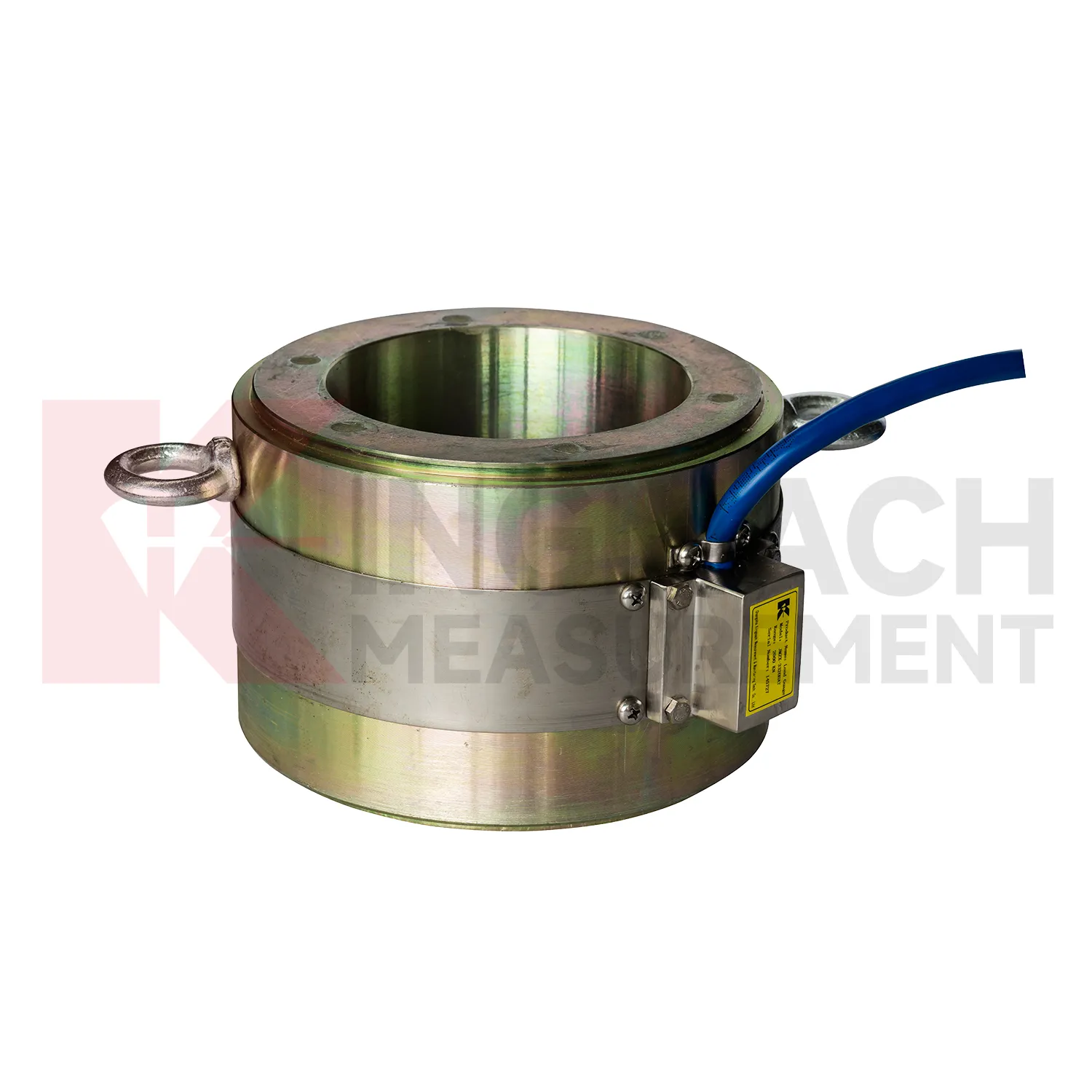
Decision Factor 3: Capacity, Accuracy, and the Trap of Over-Specification
Address capacity carefully to avoid the common procurement mistake of over-specification. Many teams buy based on maximum capacity rather than the actual operating range. For example, placing a 5,000 kN cell in a 400 kN application forces it to operate in the lowest 8% of its range. Resolution and repeatability degrade sharply at range extremes. As a general rule, select a cell where the expected operating load sits between 40% and 80% of its rated capacity.
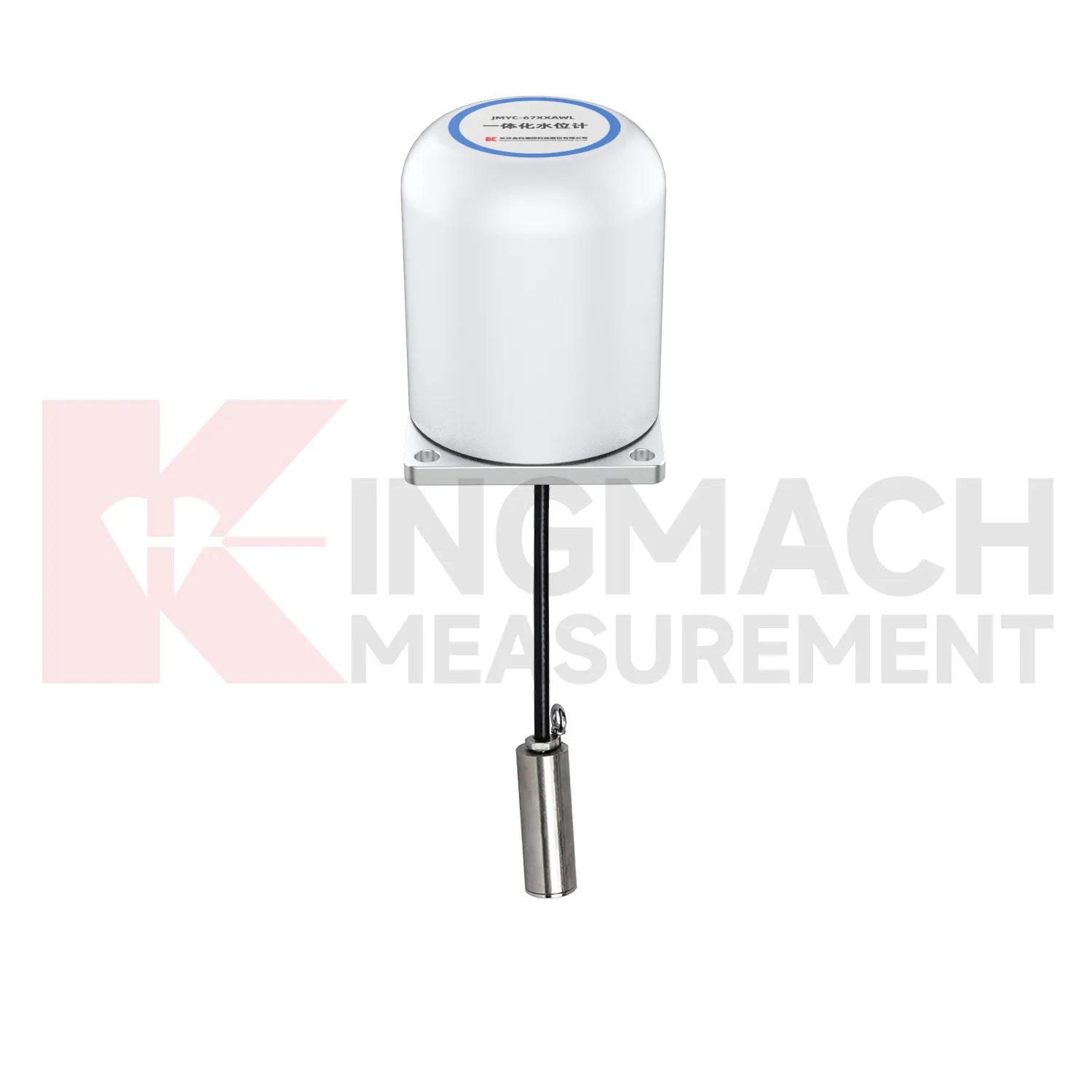
You must also understand accuracy classes. Laboratory accuracy differs drastically from installed accuracy. Temperature effects, eccentric loading, and cable length alter field performance. Wide-range cells, like the JMYC-67XXAWL differential pressure meter, offer flexibility. You must evaluate when they save cost versus when they sacrifice resolution. Finally, consider long-term stability. Vibrating wire sensors show excellent creep and zero-drift behavior over multi-year monitoring programs. They generally outperform resistive strain gauge types in these scenarios.
Decision Factor 4: Conventional vs. Smart Sensing
You must decide when onboard intelligence matters. Conventional vibrating wire sensors output a frequency signal. They require an external readout or data logger. They offer the lowest unit cost, high reliability, and decades of proven performance.
Conversely, smart (HAT) sensors contain an onboard microprocessor. This processor handles signal conditioning, temperature compensation, and digital RS-485/SDI-12 output. This intelligence eliminates noise over long cable runs on large sites. You should choose smart sensors for large arrays of 20 or more instruments. They also excel in remote sites or projects requiring direct integration with SCADA or IoT data platforms. Conventional sensors remain sufficient for manual reading programs or small site counts. Consider the total cost of ownership carefully. Smart sensors cost more upfront, but they reduce data logger channel counts, wiring complexity, and maintenance visits over a typical 5-year monitoring period.
Decision Factor 5: System Integration
The load cell is not the entire system. A load cell alone produces data, but a monitoring system produces insight. You must co-specify readouts, data loggers, visualization software, and alarm thresholds.
Ensure signal compatibility first. The output type must perfectly match the data acquisition system. Cabling considerations are equally vital. Evaluate cable length against potential signal degradation. Use armored instrumentation cable for underground or underwater runs. Think about visualization and alerting mechanisms. Automated dashboards transform raw load readings into actionable safety intelligence. This intelligence is vital for dam monitoring, foundation pit management, and bridge health. Look for project-specific solution packages tailored to your infrastructure type.
A Practical Selection Checklist
☐ Have you defined the measurement environment?
☐ Does the load cell type match the force configuration?
☐ Does the expected operating load fall within 40–80% of the capacity range?
☐ Does the signal output type match the data acquisition system?
☐ Have you evaluated smart versus conventional options based on site scale?
☐ Are integration requirements fully mapped out?
☐ Have you planned for site access and the specific installation method?
Common Selection Mistakes (And How to Avoid Them)
1. Wrong Industry Focus: Specifying industrial load cells for geotechnical applications is dangerous. They have the wrong form factor, inadequate protection ratings, and lack long-term stability data.
2. Ignoring Installation Methodology: A hollow cell requires perfect axial alignment. An inexperienced crew can cause eccentric load errors that ruin data throughout the monitoring life.
3. Buying on Unit Price: Purchasing strictly based on the price per sensor while ignoring the total instrumentation system cost leads to budget overruns.
4. Afterthought Data Acquisition: Treating the data acquisition system as an afterthought creates massive compatibility gaps.
5. Neglecting Maintenance: Failing to plan for recalibration or sensor replacement in 10–20+ year dam safety monitoring programs compromises long-term safety.
Right Sensor, Right Project, Right Partner
Choosing the right sensor ensures the success of your project. You must define your measurement environment, match the force configuration, optimize the capacity range, select the right intelligence level, and plan your system integration carefully. Complex projects benefit greatly from early engineering dialogue rather than simple datasheet comparisons.
Kingmach's technical team provides free project requirement reviews. Submit your project parameters and receive a recommended sensor specification within 48 hours.→ [Get a Free Technical Recommendation]
This free consultation helps ensure optimal instrument selection. You can explore our relevant project case studies to deepen your engagement. Browse our comprehensive Load Cell to find the exact instrument for your needs. We provide robust long-term support and calibration services to protect your infrastructure.
FAQ
1. What is the main difference between an industrial load cell and a geotechnical load cell?
Industrial load cells often use resistive strain gauges and prioritize fast, dynamic measurements in controlled indoor environments. Geotechnical load cells typically use vibrating wire technology for superior long-term stability in harsh, outdoor, and underground environments.
2. Why should I avoid buying a load cell with the highest possible capacity?
Operating a load cell at the very bottom of its maximum range degrades resolution and repeatability. You should select a sensor where your expected load falls between 40% and 80% of its total capacity.
3. When is a "smart" load cell better than a conventional one?
Smart load cells are ideal for large sensor arrays (20+ instruments), remote sites, or projects requiring direct integration with IoT platforms. Their onboard digital processing eliminates noise over long cable runs.
4. How does a hollow load cell work?
A hollow load cell features a through-hole design that allows an anchor rod or rock bolt to pass directly through its center. This design measures the axial force without disrupting the structural member itself.
5. What is the purpose of an earth pressure cell?
An earth pressure cell uses a large-diameter, flat design to measure the stress at the interface between soil and a structure. This large surface area averages out local stress concentrations, making it highly effective in embankment and dam applications.
Related Reading: Load Cell Troubleshooting Guide: 6 Common Issues and Field-Proven Fixes
Key words: load cell selection guide, geotechnical load cell, vibrating wire load cell, smart load cell, load cell for dam monitoring