
 EN
 ar
 bg
 hr
 cs
 da
 nl
 fi
 fr
 de
 el
 hi
 it
 ko
 no
 pl
 pt
 ro
 ru
 es
 sv
 tl
 iw
 id
 lv
 lt
 sr
 sk
 sl
 uk
 vi
 et
 hu
 th
 tr
 fa
 ms
 hy
 ka
 ur
 bn
 mn
 ta
 kk
 uz
 ku

Automated Acquisition Enclosure
Kingmach Automated Acquisition Enclosure are designed for the practical data chain that starts at the sensor and ends with engineering review. The category covers handheld verification, automatic logging, field display, wireless transmission, local storage, and data export. A comprehensive readout is useful for commissioning because it can confirm sensor identity, physical values, and temperature-related information on site. A dynamic strain data logger is useful when vibrating wire sensor signals need synchronized acquisition for construction or structural monitoring. A low-power wireless logger is useful when a remote point must collect data over long periods with limited access. These devices are most effective when channel labels, point locations, communication settings, and maintenance records are planned before installation. The project file should define how each reading moves from the field device to the reviewed record. That includes who names channels, who checks first values, where exported files are stored, and how abnormal readings are confirmed. When these steps are clear, the acquisition device becomes part of a controlled monitoring process rather than a separate instrument. This helps engineering teams trace values back to the correct sensor, location, time period, and field condition during later review. It also supports cleaner handover when the project changes from construction monitoring to owner operation.
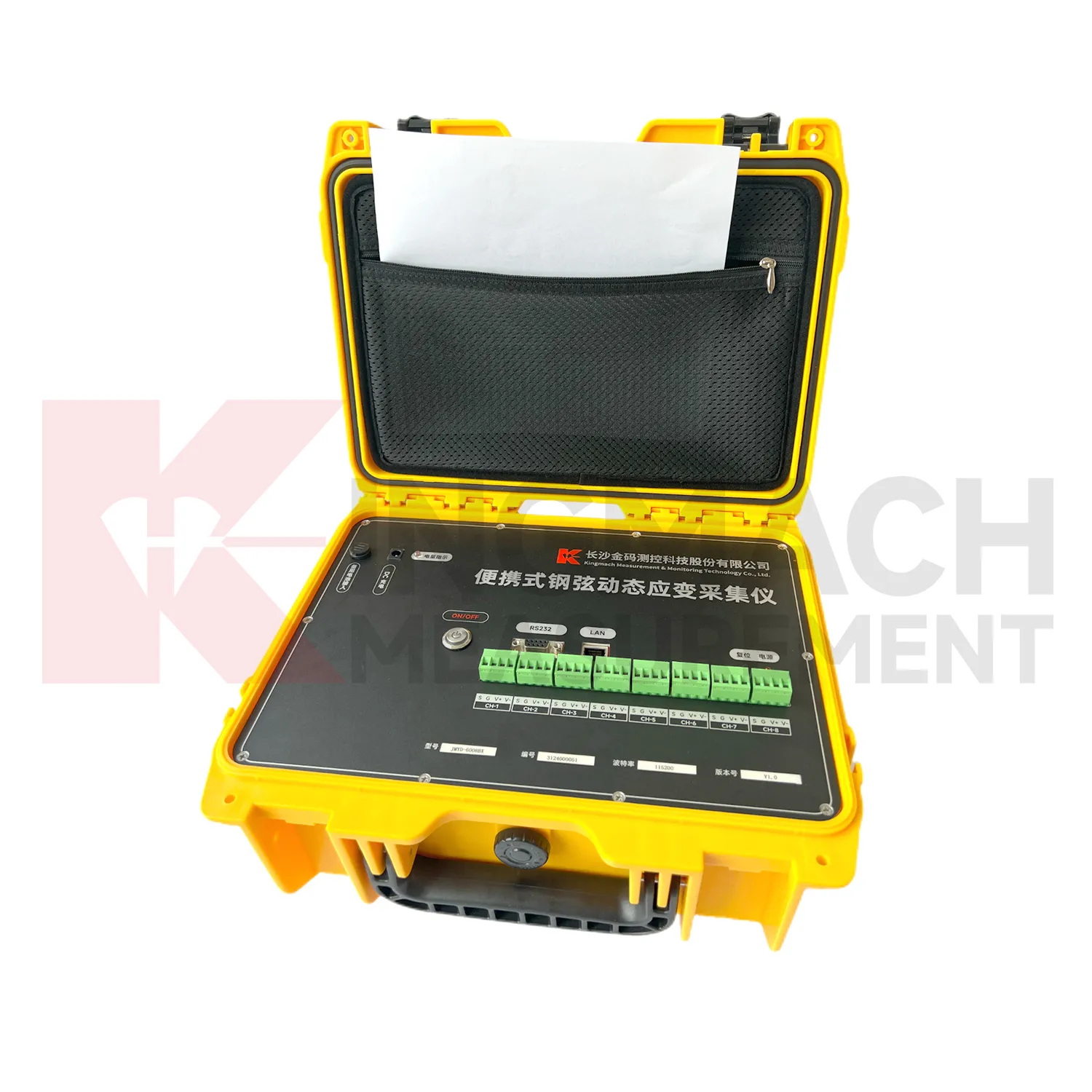
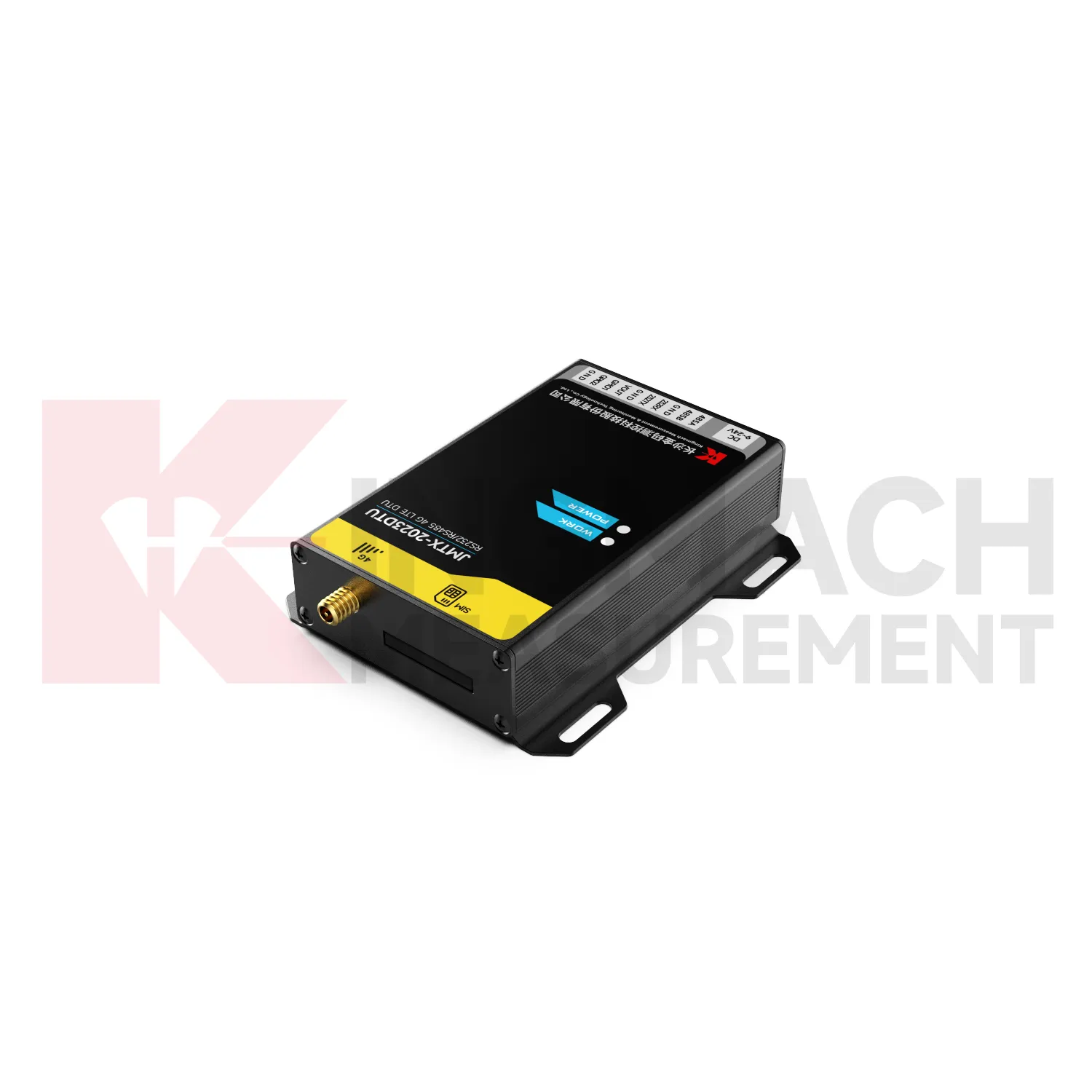
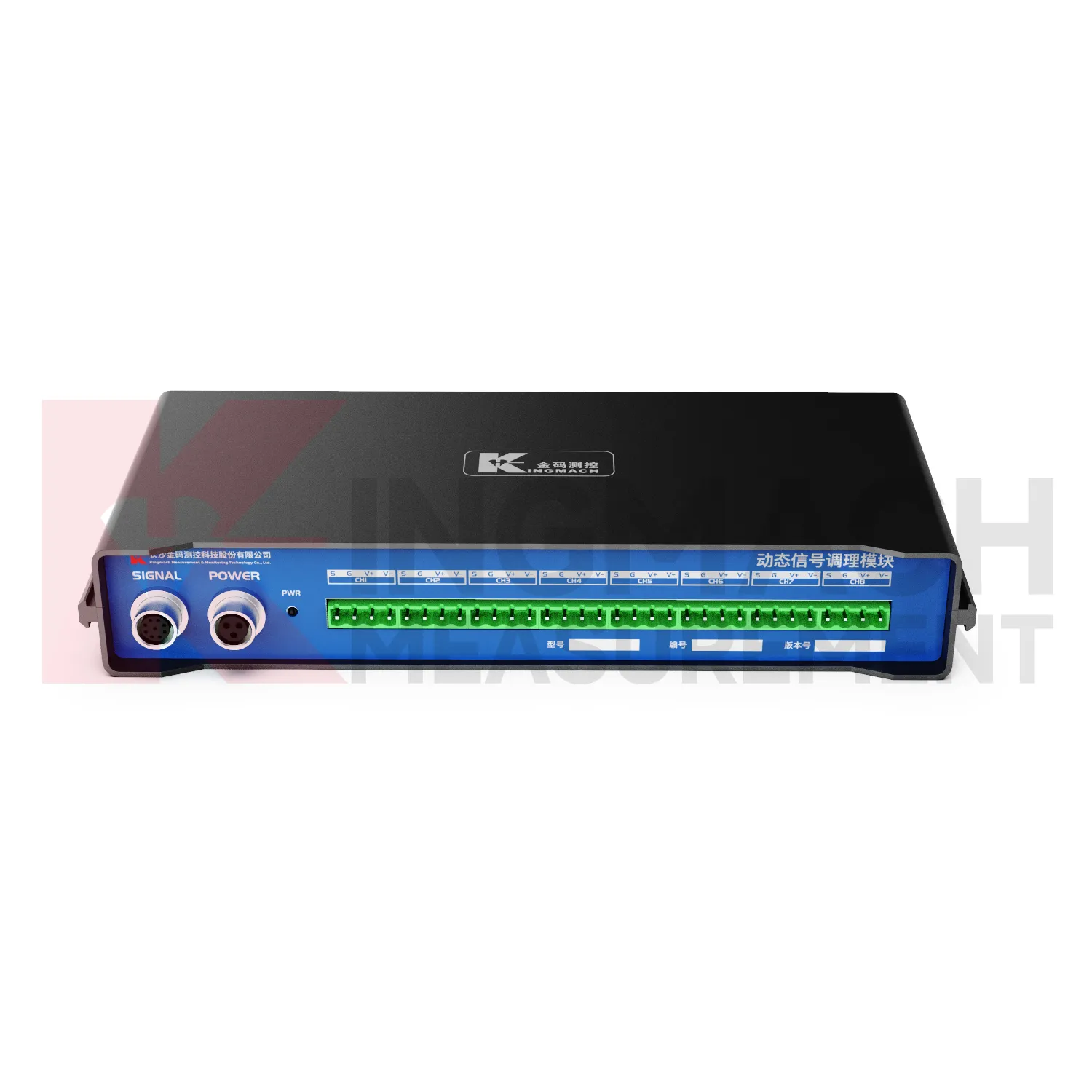
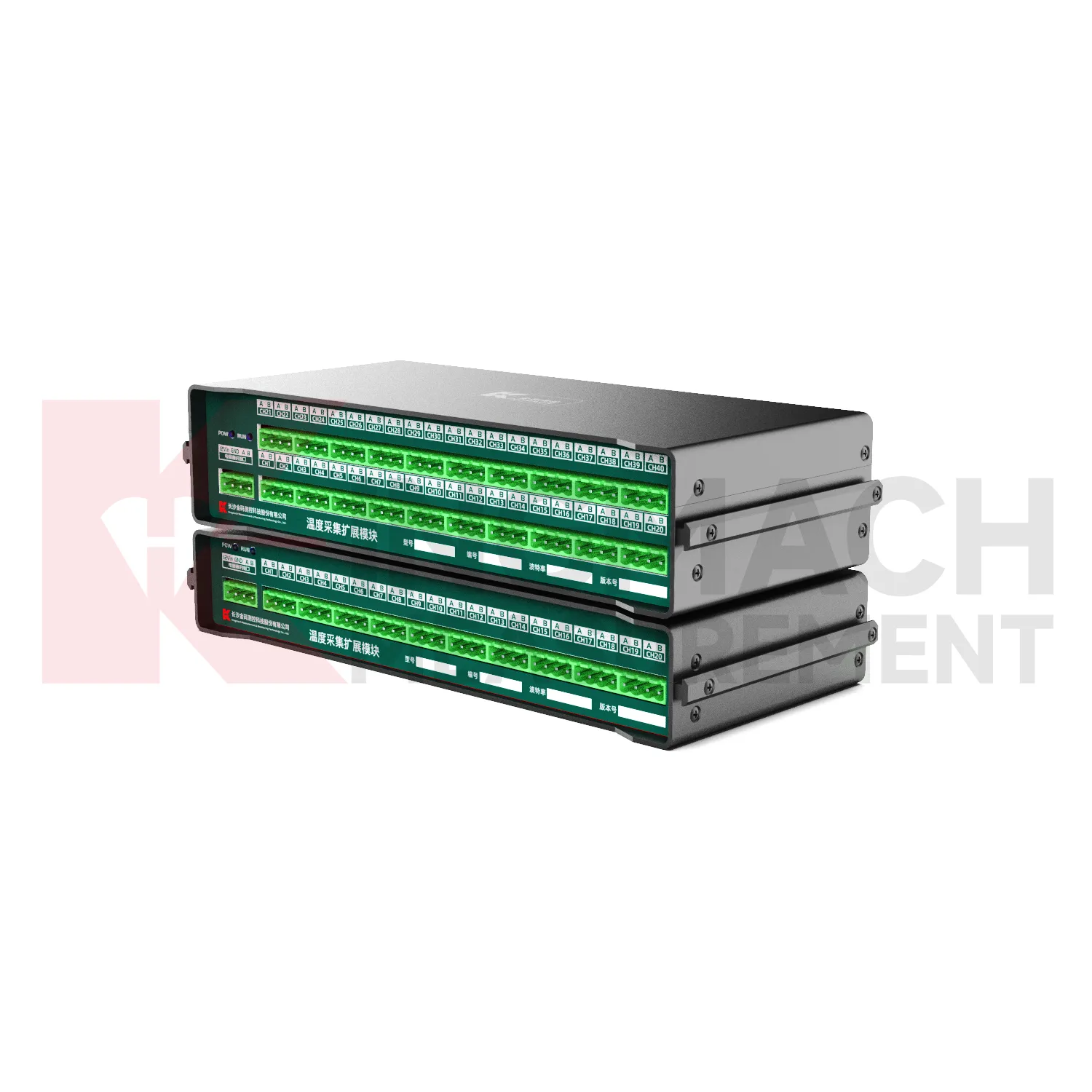
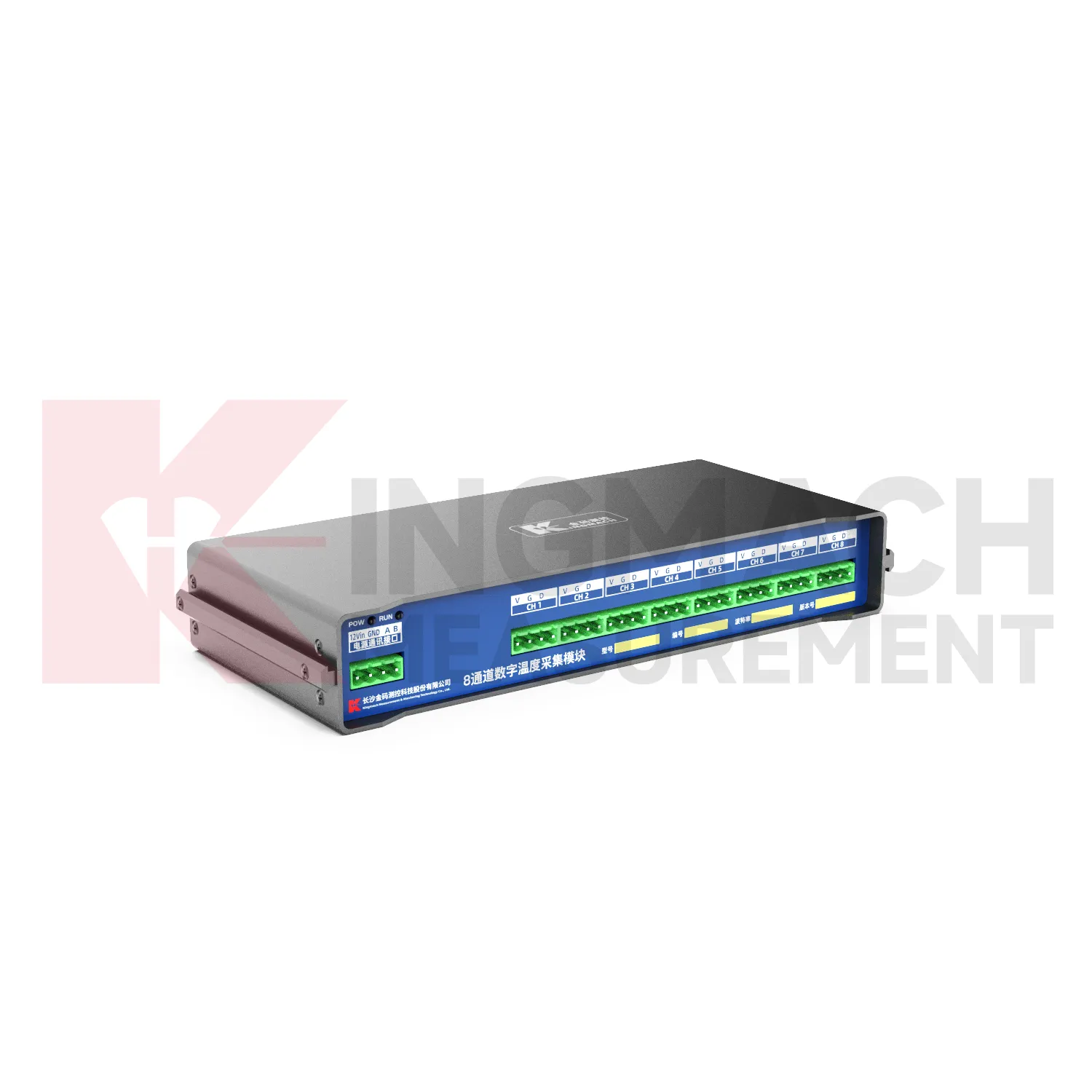
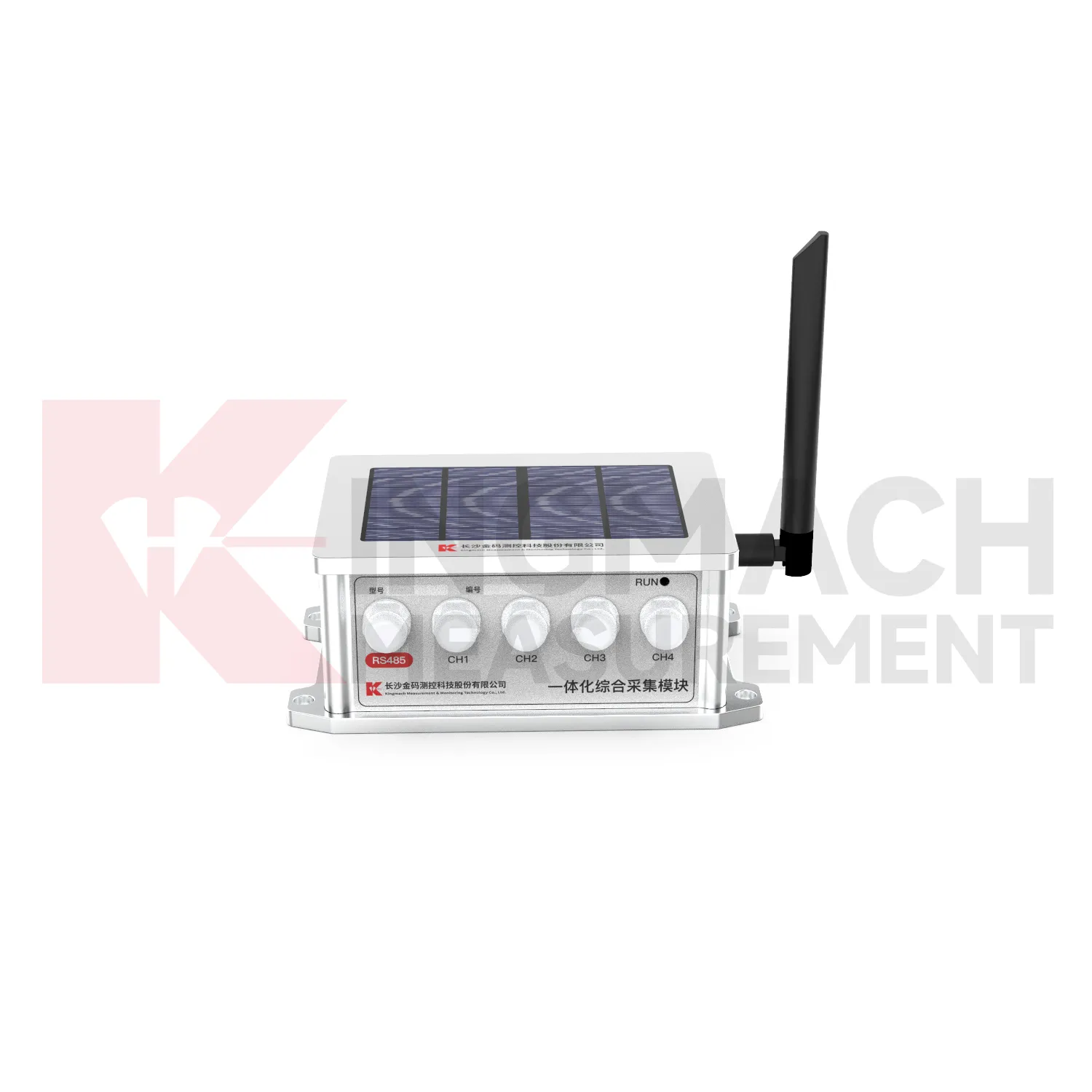
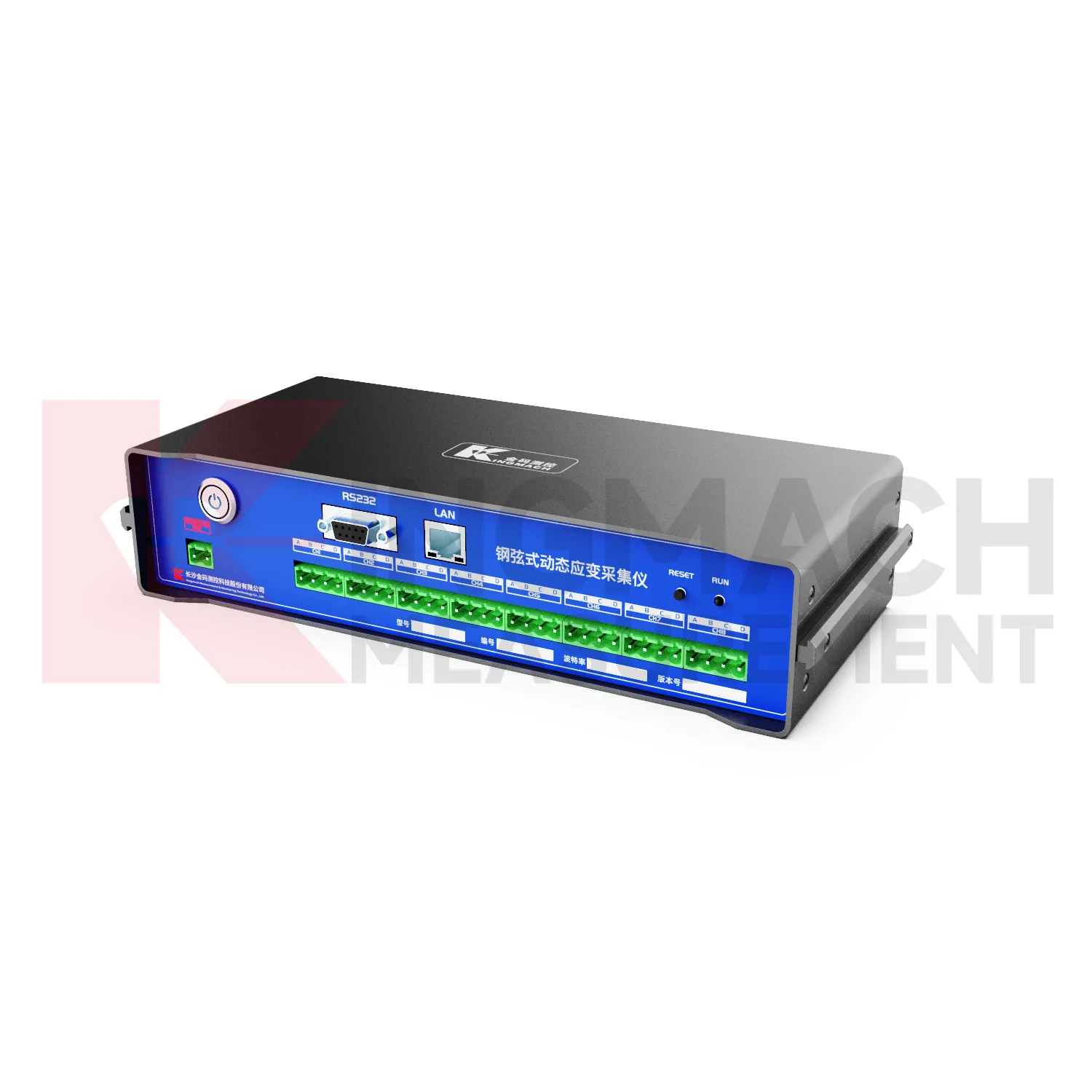
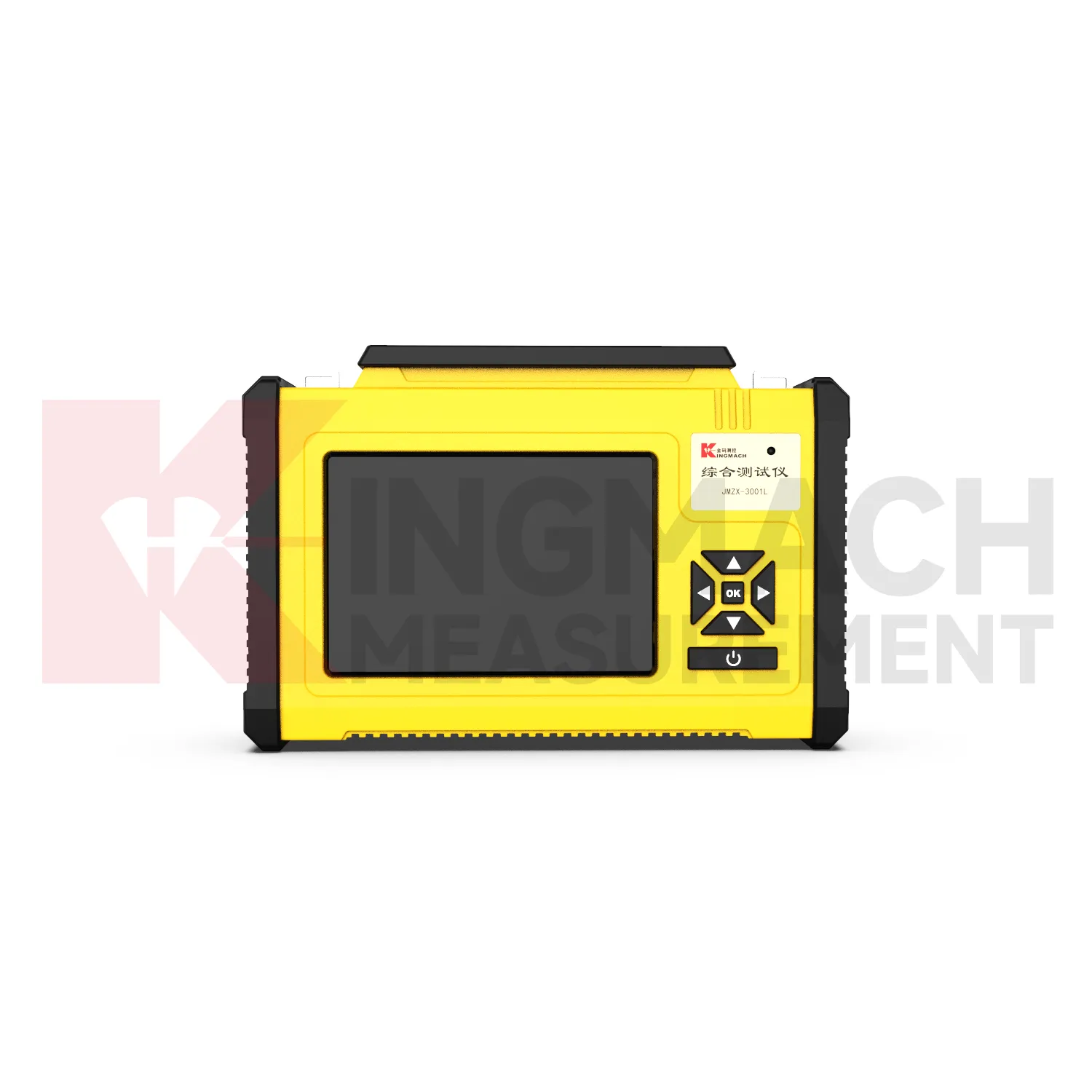
Application of Automated Acquisition Enclosure
Industrial testing and equipment monitoring use Kingmach Automated Acquisition Enclosure when strain, vibration, displacement, temperature, or pressure-related signals need organized acquisition. Portable readouts are useful for temporary tests, commissioning checks, and maintenance diagnosis. Dynamic acquisition devices can capture short events from machinery start-up, impact, load transfer, or process changes. Data loggers can support longer records when equipment behavior must be observed across shifts or operating cycles. The device should fit the signal type and review purpose. A plant maintenance team may need quick confirmation, while an engineering team may need exported data for analysis. Clear channel names and event notes help both groups work from the same record. Industrial records often need to be linked with operating state. A waveform during start-up, a temperature change during production, or a strain response after adjustment should be stored with the equipment condition. This helps maintenance staff compare repeated tests and gives engineers a cleaner basis for diagnosing load transfer, vibration source, or process influence. Stable export files also make external analysis easier. For temporary tests, the readout or logger should also make it easy to repeat the same measurement route after repair, adjustment, or operating change. That repeatability helps maintenance teams compare before-and-after behavior.
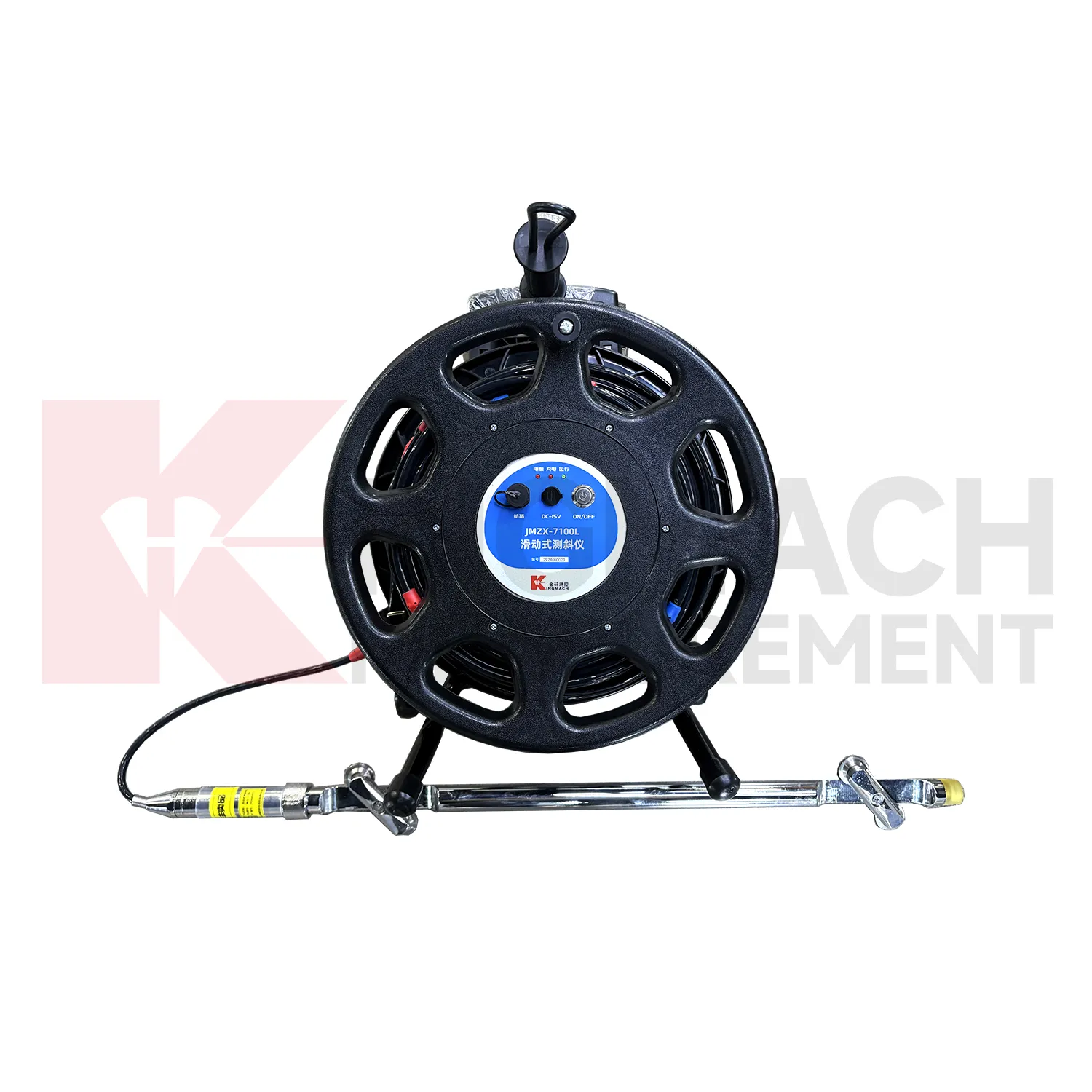
The future of Automated Acquisition Enclosure
Future Kingmach Automated Acquisition Enclosure will improve field maintenance planning for acquisition equipment. A data logger or readout may fail to support monitoring if cables are loose, connectors are wet, batteries are weak, or channel labels are unclear. Future systems can make these maintenance risks more visible by tracking device status, recent data gaps, voltage trends, and communication quality. This helps field teams inspect the right location before the record becomes unreliable. Maintenance planning will become part of data quality, not a separate afterthought. The next generation of stations can present power, upload, enclosure, and channel status in a way that helps maintenance teams prepare before visiting. A crew can bring the right battery, connector, cable label, or enclosure material instead of discovering the problem on site. That saves access time and protects monitoring continuity. It also helps owners plan maintenance budgets around real device condition instead of fixed assumptions. over time.
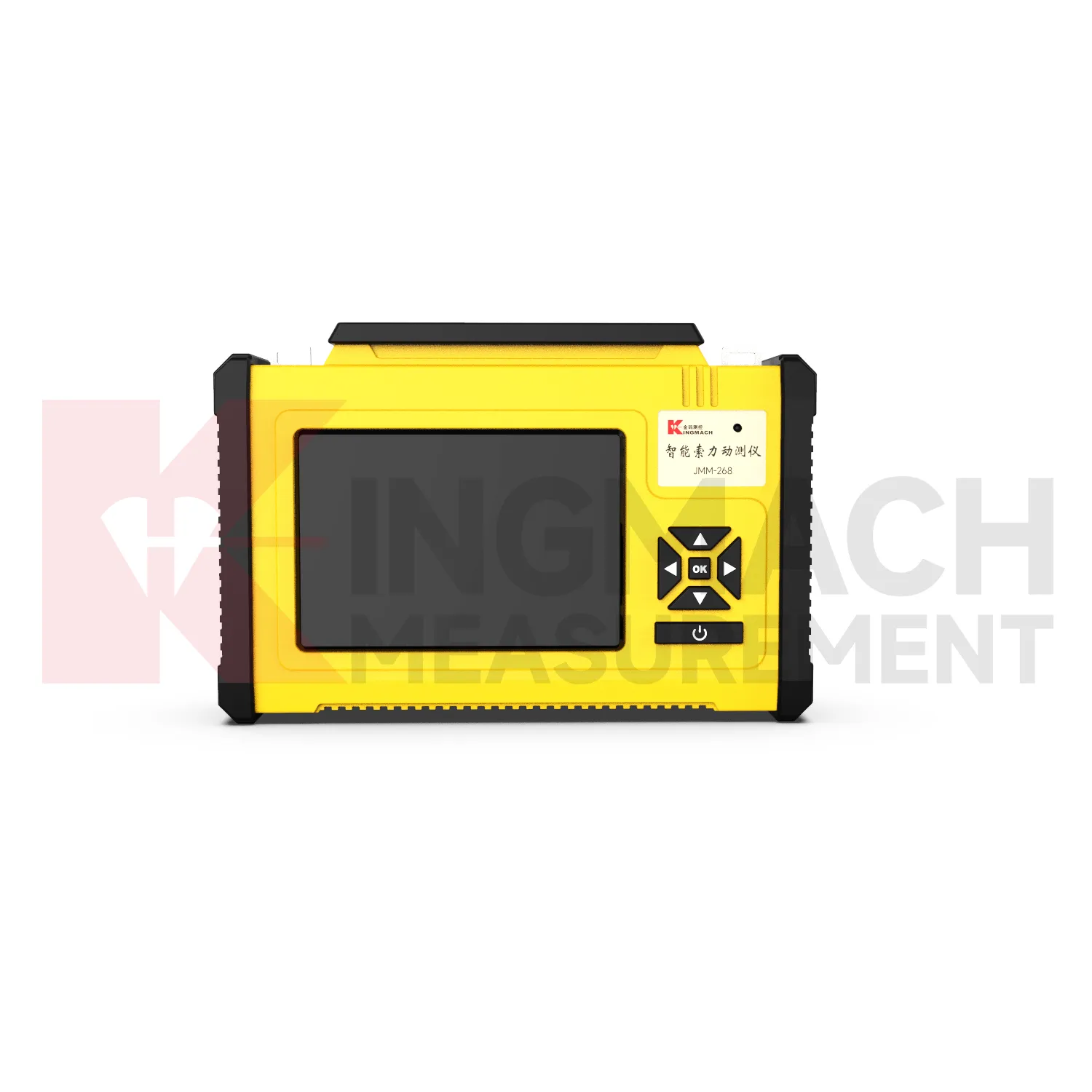
Care & Maintenance of Automated Acquisition Enclosure
Handover maintenance keeps Kingmach Automated Acquisition Enclosure useful after staff changes. A monitoring system may operate for years, but the people who installed it may leave the project. Keep a handover file with device type, sensor list, channel map, acquisition interval, communication method, power plan, baseline readings, maintenance history, and export location. Update the file after repairs, replacements, or setting changes. When the next team can understand the acquisition chain quickly, the project avoids repeated diagnosis and protects the value of long-term monitoring data. Handover should also identify which devices are temporary and which remain part of long-term operation. A temporary logger removed after construction should have final exported files, while a permanent station should keep power, communication, and maintenance routines documented. This prevents old construction records from being confused with active monitoring points. during owner review and maintenance planning. across project phases. clearly and safely. for owners. later on site. consistently.
Kingmach Automated Acquisition Enclosure
Kingmach Automated Acquisition Enclosure help bridge the gap between measurement hardware and engineering decisions. Sensors create signals, but owners and contractors need records that can be reviewed, exported, compared, and explained. A readout may confirm installation quality during a short site visit. A wireless logger may keep recording through rain, night work, or restricted access. A dynamic acquisition unit may capture synchronized events that ordinary slow logging would miss. These roles are different, yet they share the same purpose: keeping sensor information traceable. The best acquisition plan defines power, channel count, communication method, storage duty, and data review before instruments are installed. Once those details are defined, the team can decide which device belongs at each point. A temporary test may need a portable unit, while a remote slope station may need low-power upload and local storage. Matching device role to monitoring purpose makes the record easier to trust. across the project lifecycle.
FAQ
Q: Where are these devices used?
A: They are used in bridges, tunnels, dams, slopes, buildings, foundation pits, railways, mines, industrial testing, and other monitoring projects.
Q: Why combine readouts with loggers?
A: Readouts confirm field points during visits, while loggers keep collecting data between visits. Together they support both verification and continuity.
Q: What should a remote station show?
A: A remote station should show acquisition status, last upload time, power condition, active channels, storage condition, and recent maintenance history.
Q: How do these devices support reports?
A: They keep readings traceable by time, channel, sensor type, location, and device status so engineers can explain trends and events more clearly.
Q: What causes confusing readings?
A: Loose cables, wrong channel names, weak power, wet enclosures, changed settings, sensor faults, or real site changes can all create confusing records. The record stays useful when point names, channel labels, sensor type, measurement time, and field condition are kept together, because later reviewers can connect the number with the actual structure and inspection history.
Reviews
James Thompson
The tiltmeters and accelerometers are very sensitive and provide precise data. Perfect for our structural health monitoring system.
Andrew Lee
The visualization software is intuitive and powerful. It helps us analyze monitoring data efficiently.
Latest Inquiries
To protect the privacy of our buyers, only public service email domains like Gmail, Yahoo, and MSN will be displayed. Additionally, only a limited portion of the inquiry content will be shown.
Olivia***@gmail.comUnited States
Hello, we are currently sourcing high-precision strain gauges and load cells for a bridge monitoring...
Amelia***@gmail.comSingapore
Hello, I am looking for visualization software for monitoring system data analysis. Please let me kn...
Related product categories
- precision inclinometer
- high precision inclinometer sensor
- high precision digital inclinometer
- high accuracy digital inclinometer
- precision digital inclinometer
- high precision inclinometer
- inclinometer application
- Cable force measuring instrument
- Strain Acquisition Readout
- Portable Vibrating Wire Dynamic Strain Acquisition Readout
- Signal Acquisition Readout
- Portable Dynamic Signal Acquisition Readout