
 EN
EN
 ar
ar bg
bg hr
hr cs
cs da
da nl
nl fi
fi fr
fr de
de el
el hi
hi it
it ko
ko no
no pl
pl pt
pt ro
ro ru
ru es
es sv
sv tl
tl iw
iw id
id lv
lv lt
lt sr
sr sk
sk sl
sl uk
uk vi
vi et
et hu
hu th
th tr
tr fa
fa ms
ms hy
hy ka
ka ur
ur bn
bn mn
mn ta
ta kk
kk uz
uz ku
ku
Automated Equipment Test Cable
The JMZX-XPX test dedicated shielded wire is built for measurement tasks where the signal path passes through electrically busy work areas. Its composite shielding helps resist EMI and RFI, while high insulation and pressure resistance support precise sensor transmission in harsh environments. This makes it useful during commissioning, temporary testing, cabinet-to-sensor wiring, and routes near pumps, motors, welding areas, or power cabinets. The important feature is not length alone; it is the ability to keep a weak measurement channel readable when the surrounding site is noisy.
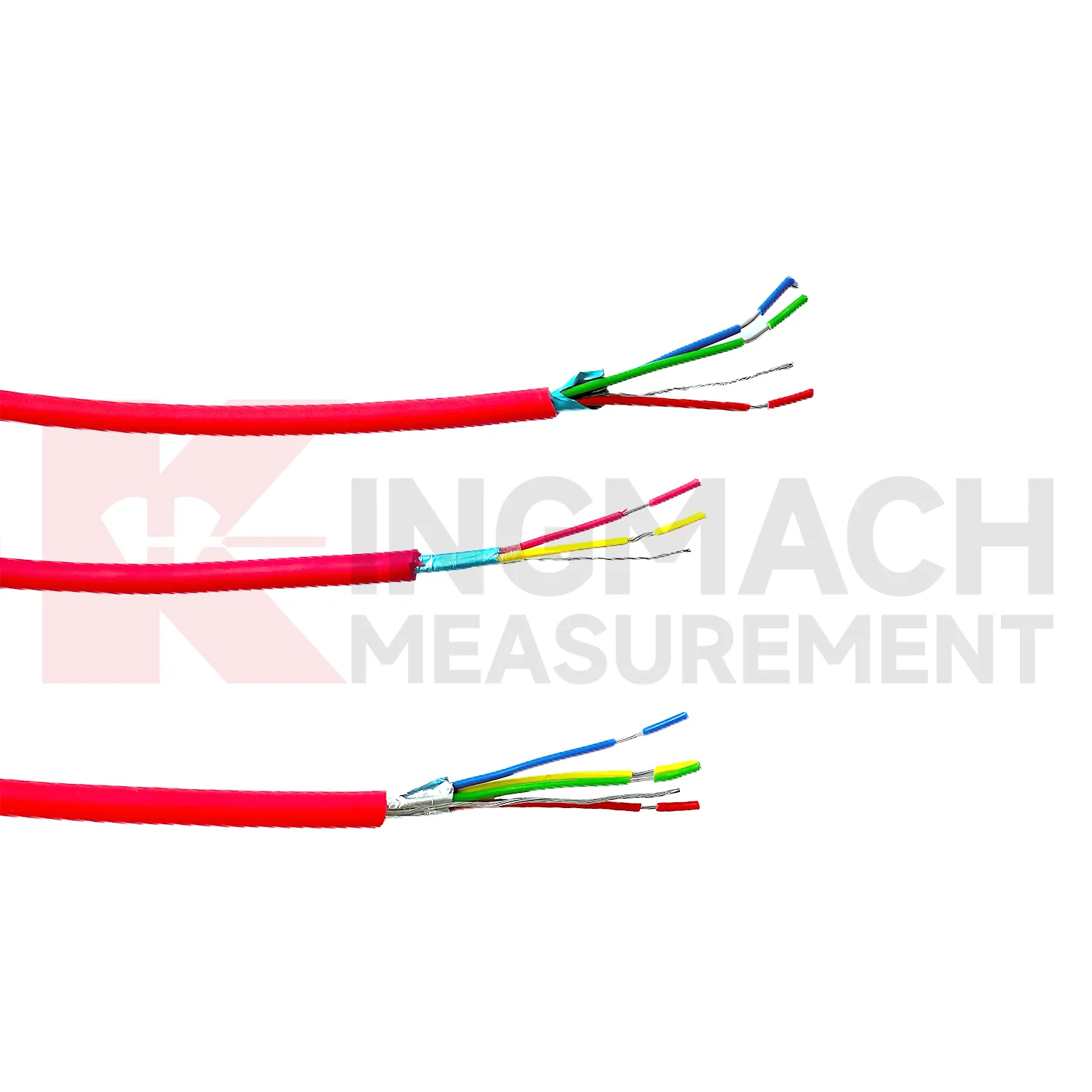
Application of Automated Equipment Test Cable
Laboratory and field testing work uses Kingmach Automated Equipment Test Cable when clean signal transmission is required during temporary or repeat measurements. JMZX-XPX is suited to precise sensor signal transmission because its composite shielding resists electromagnetic and radio-frequency interference. In testing setups, cable movement, nearby equipment, and temporary power can all affect readings if wiring is weak. A shielded test cable with stable insulation helps the team focus on the instrument output and test condition rather than chasing avoidable noise in the connection path.
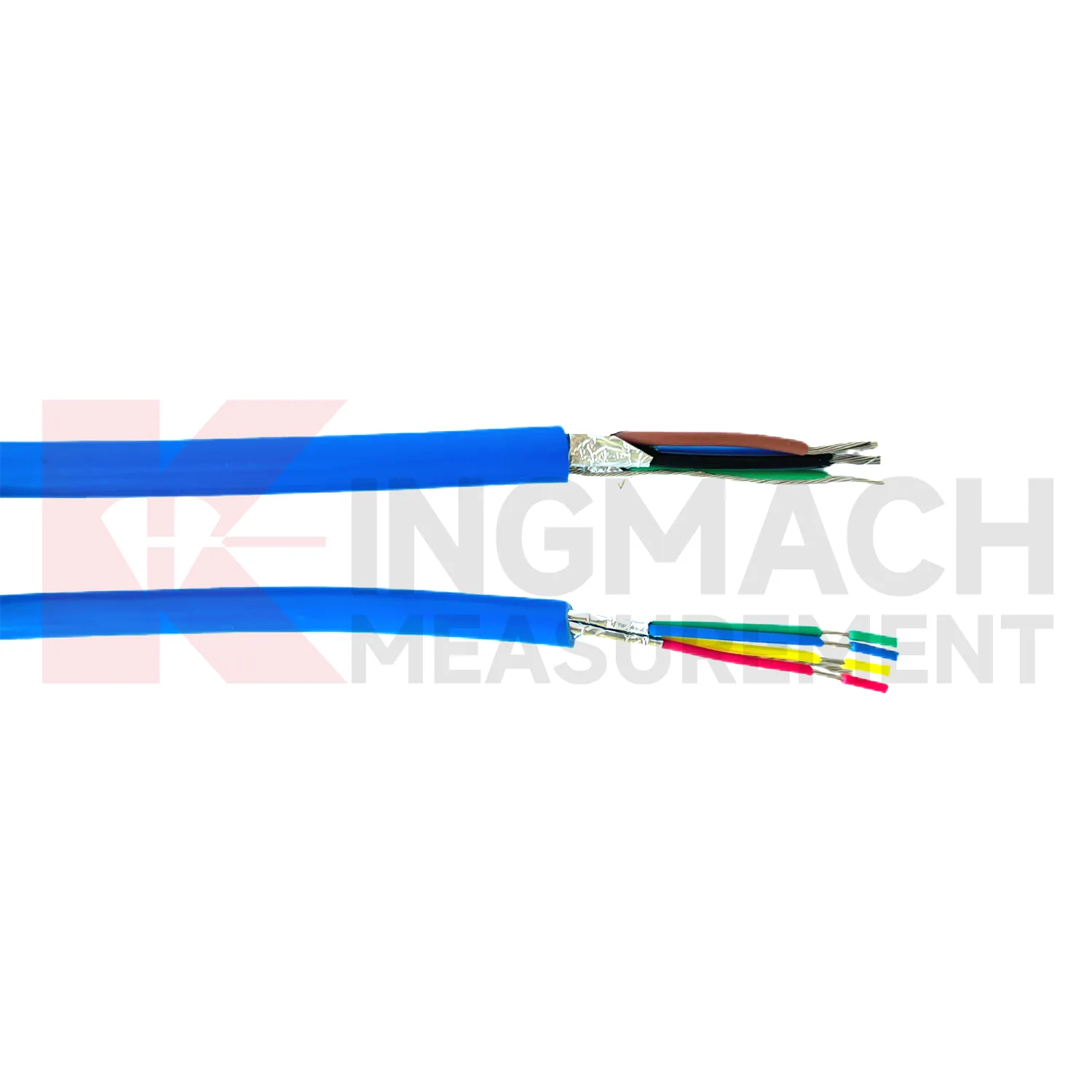
The future of Automated Equipment Test Cable
As IoT monitoring grows, Kingmach Automated Equipment Test Cable will support denser sensor layouts and more cabinet connections. A site may place many instruments around one structure, with data moving through acquisition modules, DTUs, gateways, and cloud platforms. The cable route has to remain orderly so technicians can trace channels when the online system reports abnormal data. Multi-core options, cable markings, and consistent installation records will become more important as monitoring networks move from small projects to long-running asset programs.
Care & Maintenance of Automated Equipment Test Cable
For hydraulic JMZX-XSX cable, maintenance should focus on sealing, pulling stress, abrasion, and wet-route protection. Check sections that pass through galleries, conduits, water-level areas, drainage channels, or submerged zones. Look for sheath wear, tight bends, stretched sections, and water tracking toward junction boxes. When replacement is needed, document the old condition and the new first stable reading. This keeps future reviewers from mistaking a cable repair effect for a change in dam, water-level, or hydraulic structure behavior.
Kingmach Automated Equipment Test Cable
Kingmach Automated Equipment Test Cable are important because many monitoring faults first appear as small connection problems rather than sensor damage. A loose connector, wet cable end, crushed sheath, or cable running beside strong electrical equipment can create readings that look like structural movement. Shielded and sealed cable construction helps reduce that risk when paired with careful routing and cabinet work. The product category covers test-specific shielded wires and hydraulic cables made for anti-interference, waterproof, moisture-proof, and wear-resistant service. In long-term structural health monitoring, this protects the credibility of strain, load, displacement, settlement, tilt, water level, vibration, and environmental records.
FAQ
Q: Which core counts are available?
A: The listed options include two-core, three-core, four-core, six-core, seven-core, nine-core, and ten-core versions.
Q: What delivery lengths are shown in the local product data?
A: Two-core to four-core versions are listed as 2 m per piece, while six-core to ten-core versions are listed as 6 m per piece.
Q: Why does shielding matter?
A: Shielding helps reduce electrical interference so weak sensor signals can reach the recorder with less noise.
Q: Why does water resistance matter?
A: Wet cable sections can cause unstable readings or equipment faults if insulation, sealing, and terminations are not handled correctly.
Q: Can the cables be used with different Kingmach instruments?
A: Yes. The category is described as compatible with various monitoring instruments and supports installation, maintenance, and upgrades.
Reviews
Andrew Lee
The visualization software is intuitive and powerful. It helps us analyze monitoring data efficiently.
Ryan Lewis
Fast delivery and excellent product quality. The accelerometers and tiltmeters are highly reliable. Strongly recommend this company.
Latest Inquiries
To protect the privacy of our buyers, only public service email domains like Gmail, Yahoo, and MSN will be displayed. Additionally, only a limited portion of the inquiry content will be shown.
Amelia***@gmail.comSingapore
Hello, I am looking for visualization software for monitoring system data analysis. Please let me kn...
Charlotte***@gmail.comUnited Arab Emirates
Hi, we require instrumentation cables suitable for harsh environments. Could you advise on specifica...
Related product categories
- Singlelayer Shielded Test Cable
- Multicore Shielded Test Cable
- 2core / 4core / 6core / 8core Hydrological Cable
- Corrosionresistant Hydrological Cable
- Shielded Hydrological Cable
- Multicore Hydrological Cable
- Data Transmission Cable
- Automated Equipment Test Cable
- Sensor Shielded Test Cable
- Motor Shielded Test Cable
- Signal Cables
- Test dedicated shielded wire