
 EN
EN
 ar
ar bg
bg hr
hr cs
cs da
da nl
nl fi
fi fr
fr de
de el
el hi
hi it
it ko
ko no
no pl
pl pt
pt ro
ro ru
ru es
es sv
sv tl
tl iw
iw id
id lv
lv lt
lt sr
sr sk
sk sl
sl uk
uk vi
vi et
et hu
hu th
th tr
tr fa
fa ms
ms hy
hy ka
ka ur
ur bn
bn mn
mn ta
ta kk
kk uz
uz ku
ku
Flexible Displacement Meter
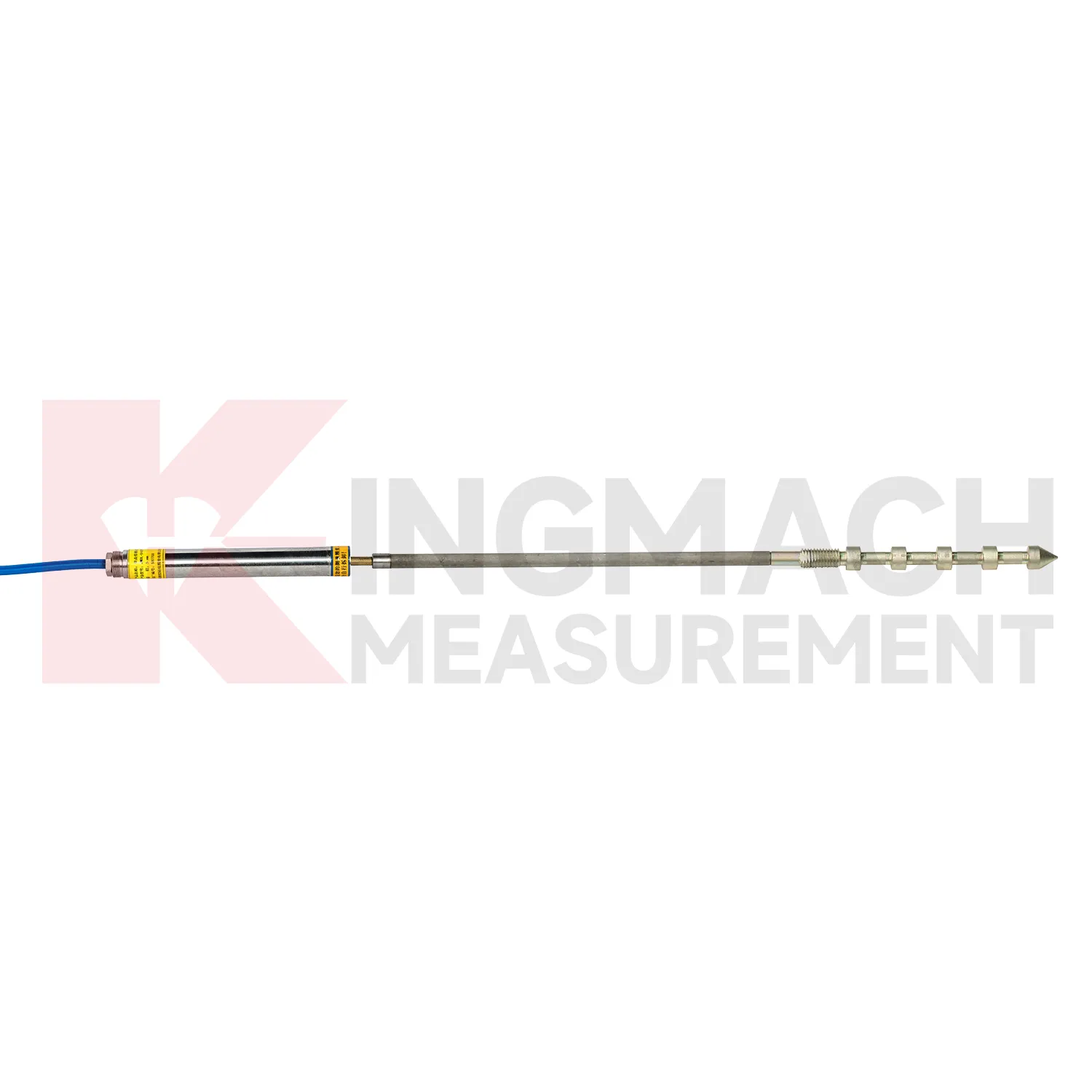
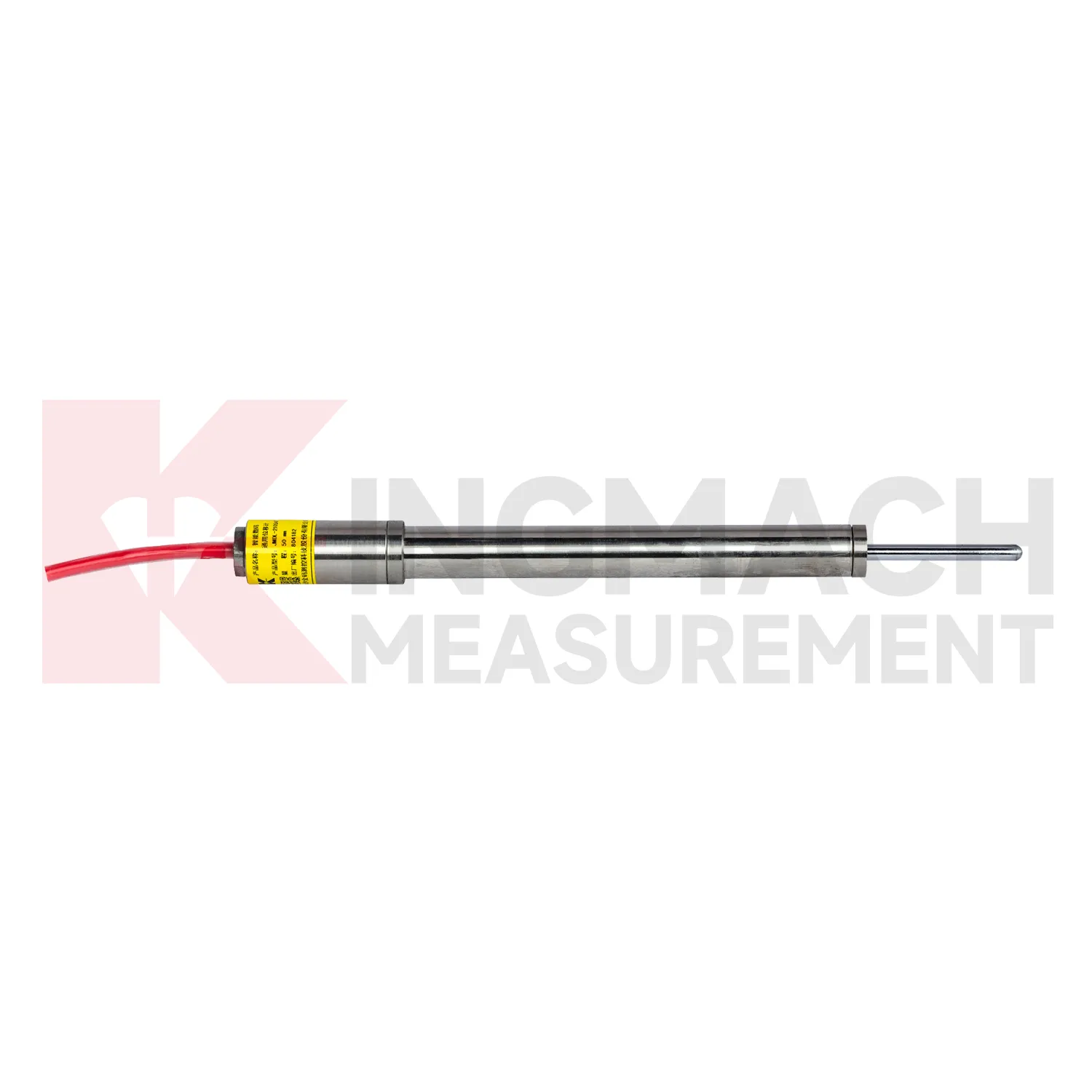
The JMDL-52XXADT Differential Displacement Meter is one of the higher precision Kingmach Flexible Displacement Meter for structural joints and relative movement. It uses two coupled inductive coils. As the measuring rod moves, magnetic flux changes in the two coils are equal in magnitude and opposite in direction, and the difference is calculated to reduce environmental interference and thermal drift. Listed ranges are 20 mm, 50 mm, and 100 mm. The product provides 0.01 mm resolution, plus or minus 0.1%FS accuracy, RS485 digital output, DC 9V to 24V supply, power consumption below 0.4 W, long-term stability of plus or minus 0.1%FS per year, and an operating temperature range from -40 degrees Celsius to +80 degrees Celsius. Temperature drift is listed as 0.001 mm per degree Celsius. These specifications are useful for bridges, railways, hydropower structures, dams, and buildings where small relative movement needs to be measured across seasons and load changes. During project setup, the measuring point should be matched with the expected travel direction, available mounting space, cable route, and required acquisition interval. This prevents a short-range joint instrument from being used on a long-travel point, or an exposed sensor from being placed where an embedded anchor is needed. It also helps the monitoring team set a baseline that can be defended during acceptance and later maintenance review.
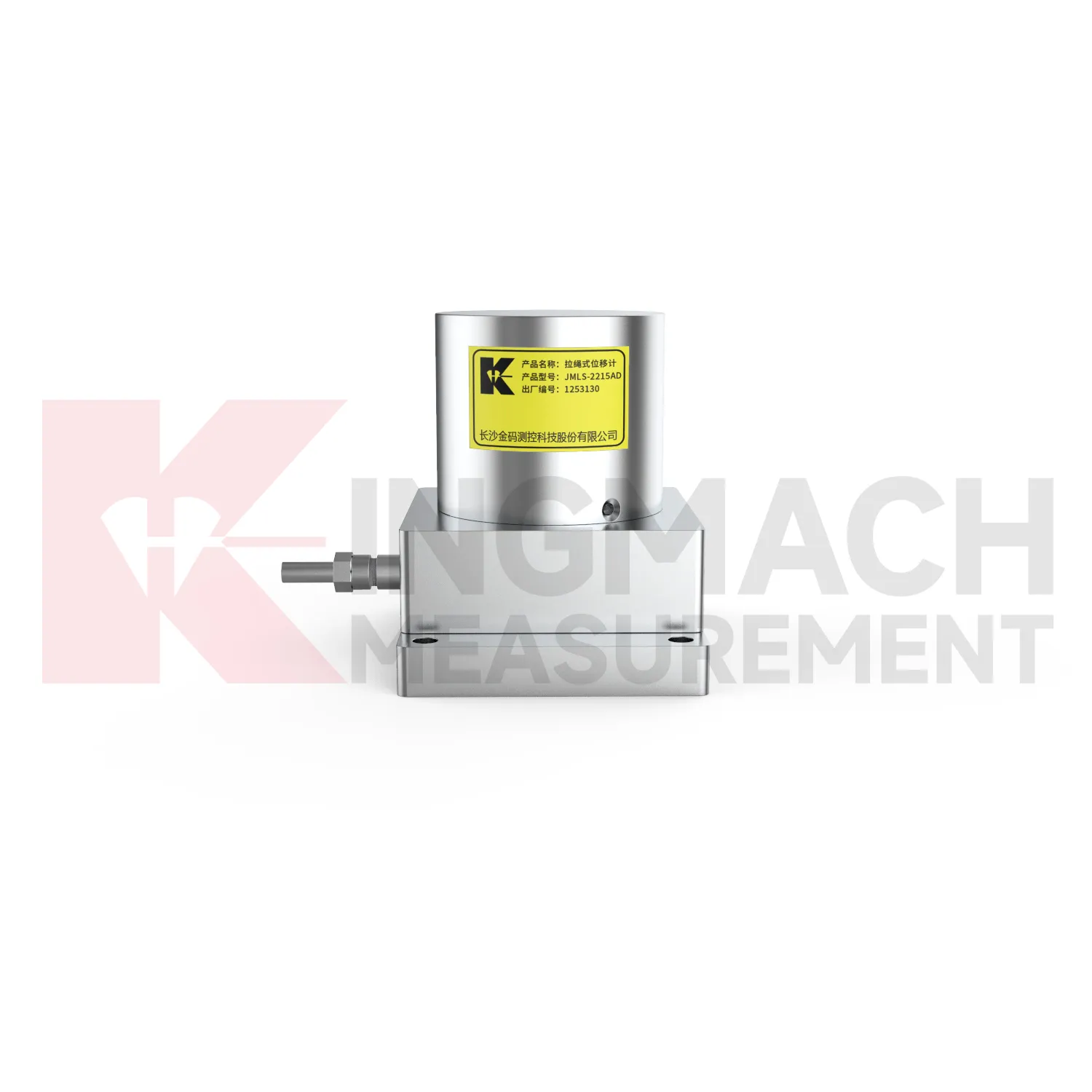
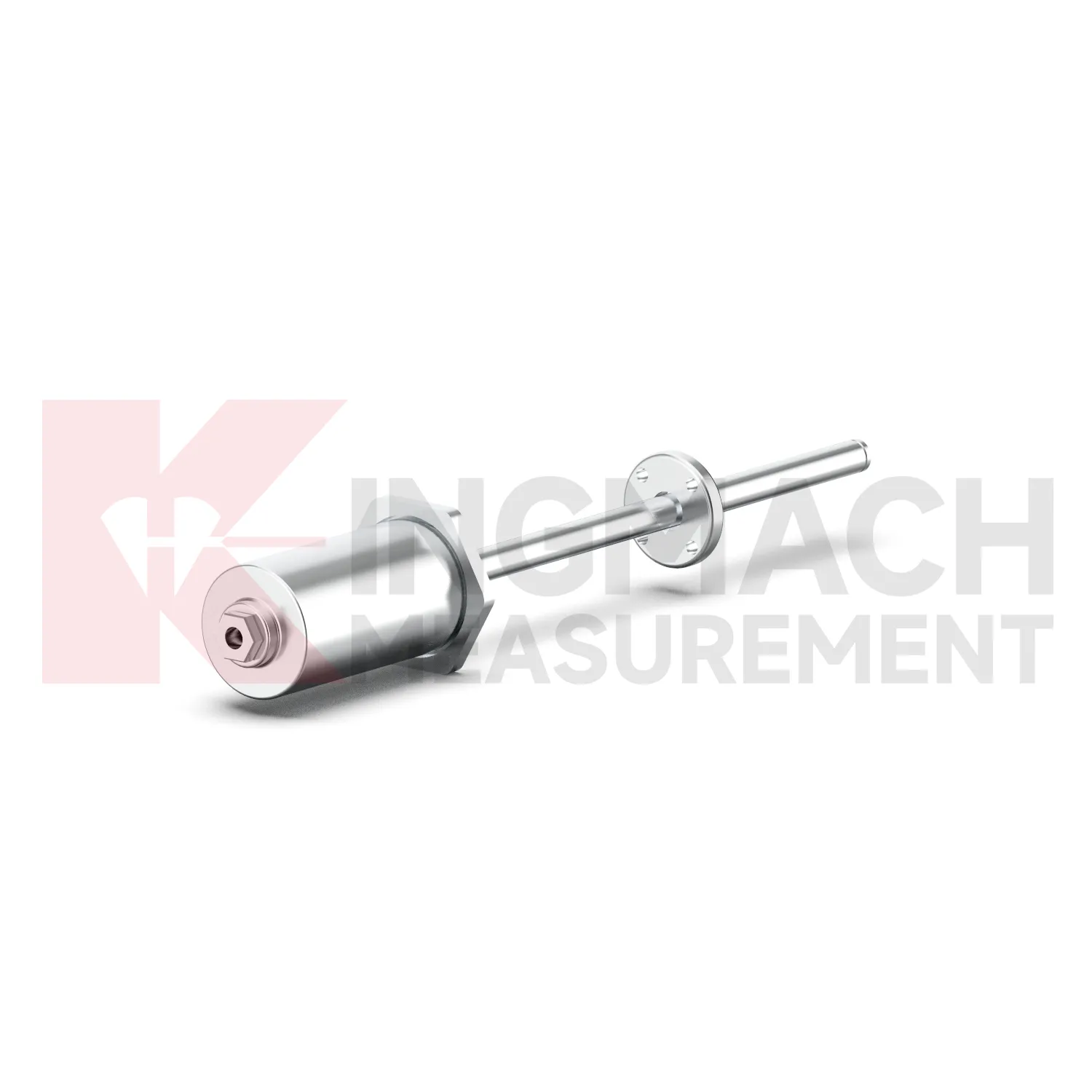
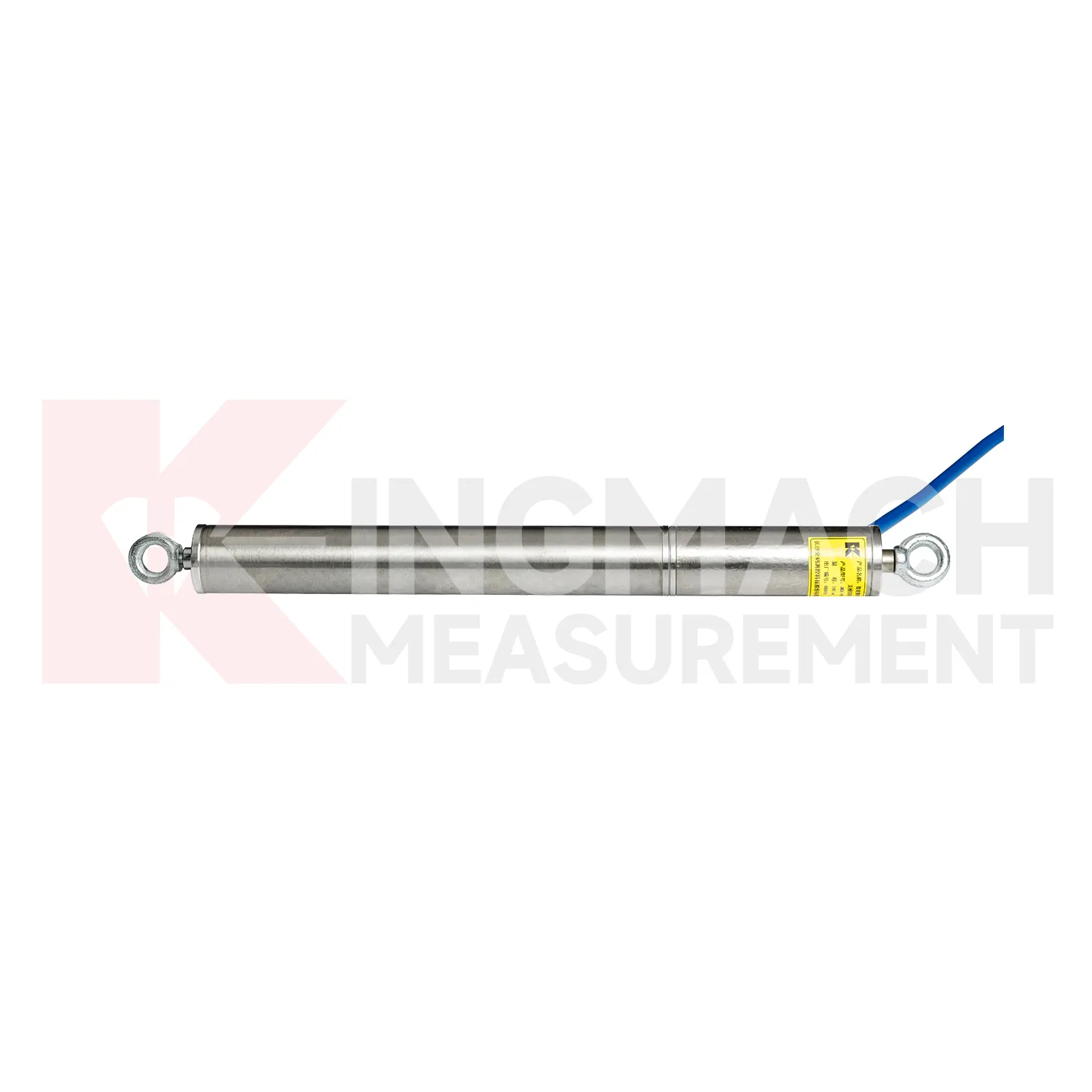
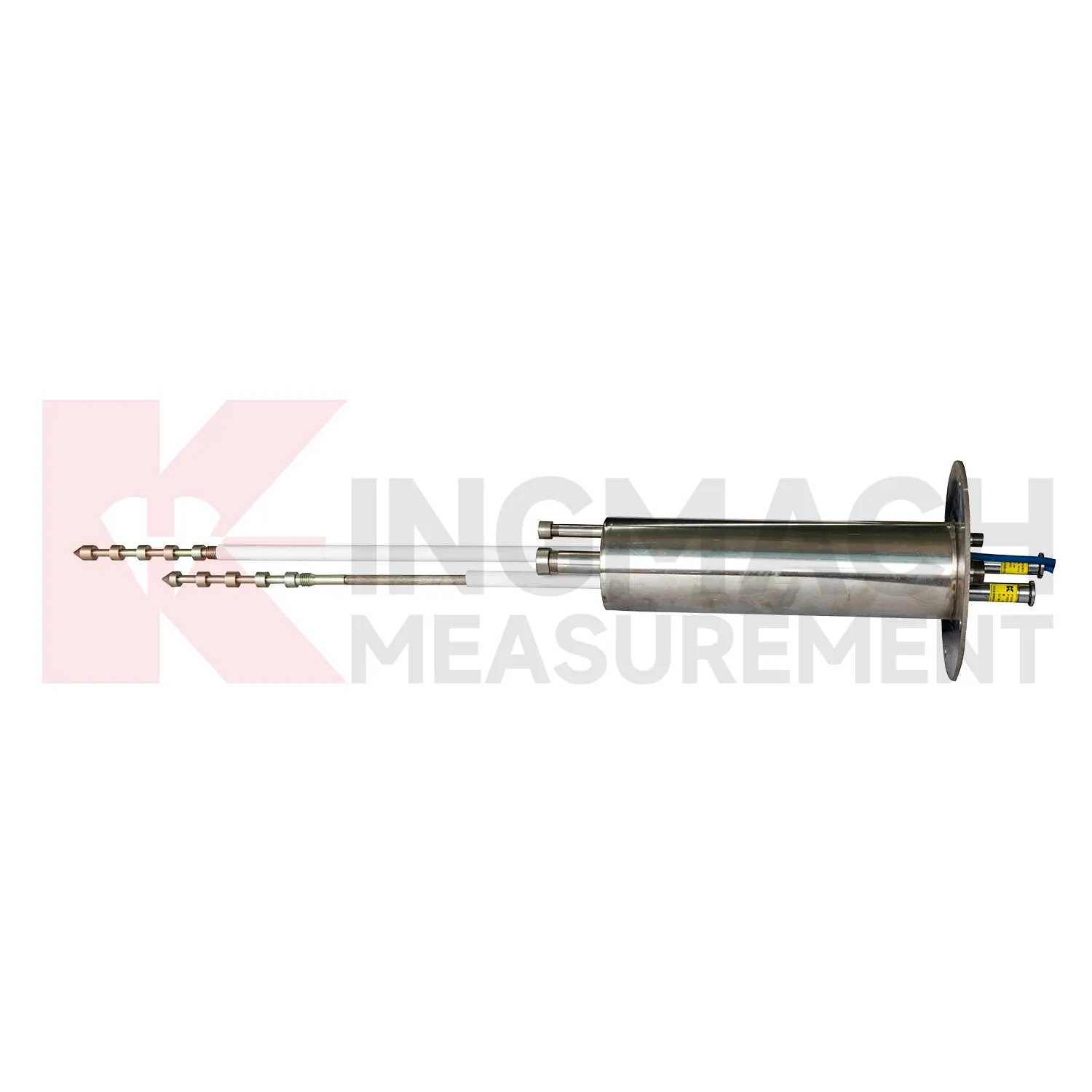
Application of Flexible Displacement Meter
In building and high-formwork construction, Flexible Displacement Meter are used less like long-term bridge instruments and more like real-time construction controls. During concrete pouring, steel pipe supports, scaffold frames, formwork platforms, and temporary load paths can move quickly while workers and pumps are still operating. Kingmach JMDL-49XXAT formwork displacement meters are built for this kind of site, with 50 mm, 100 mm, and 200 mm ranges, 0.01 mm sensitivity, 0.5%FS accuracy, IP68 protection, and a listed temperature range from -40 degrees Celsius to +100 degrees Celsius. Built-in memory can store time, temperature, displacement values, and other records. On a high-formwork job, the sensor position should be tied to the pouring sequence, support layout, concrete volume, and warning action. A sudden lateral movement of a steel pipe has a different meaning from slow settlement after loading. JMDL-22XXAT crack gauges may also be used after construction to follow building joint or crack width changes. The practical value is fast site feedback while the work can still be adjusted. Site teams should define who receives alarms during pouring, how readings are confirmed, and when work should pause for inspection. This makes the displacement point part of the construction control process, not just a record reviewed after the risk has passed.
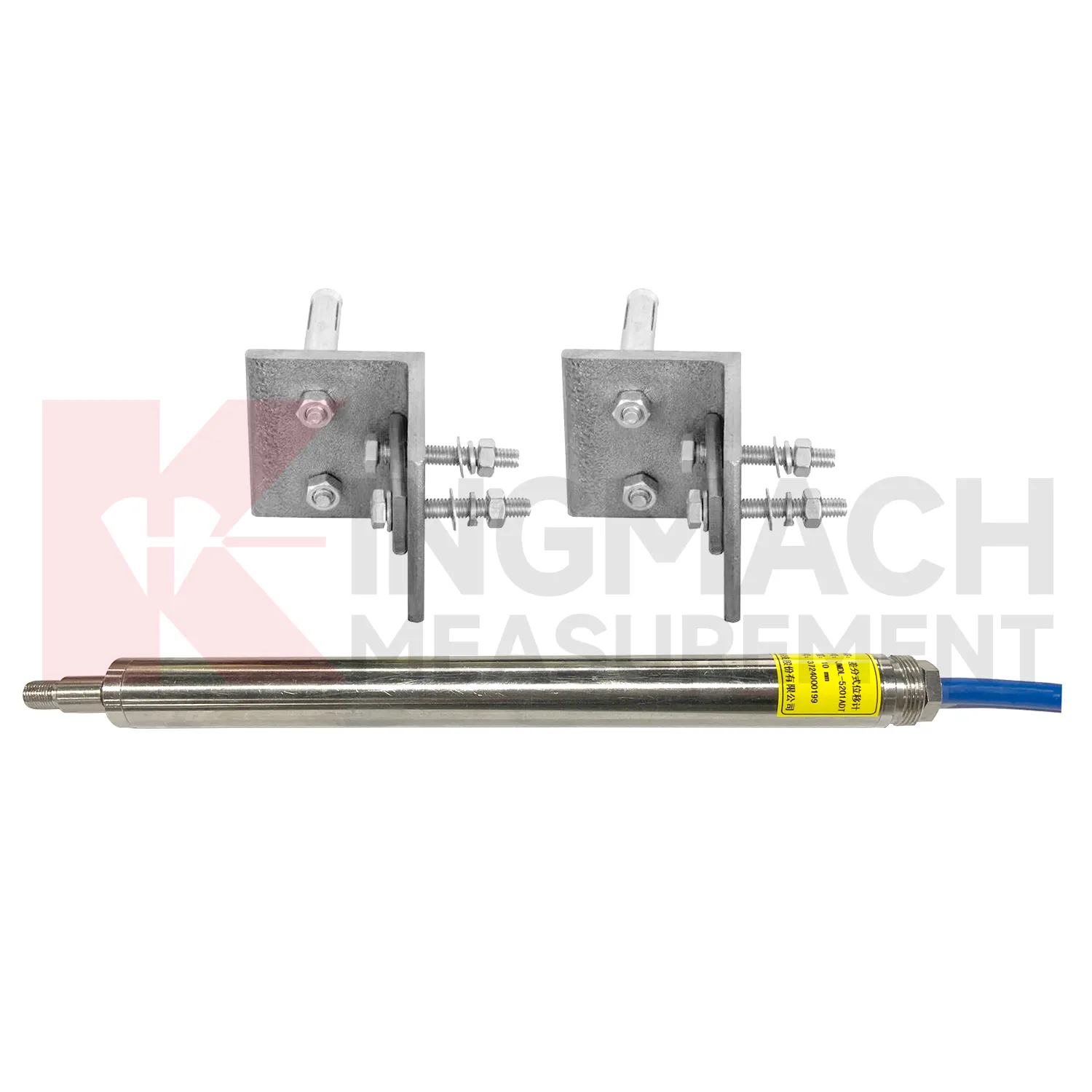
The future of Flexible Displacement Meter
The future of Flexible Displacement Meter will put stronger emphasis on installation metadata. Many errors in displacement monitoring begin before the first reading: wrong range, poor bracket alignment, cable tension errors, unprotected connectors, zero readings taken during unstable loading, or channel names that do not match drawings. Kingmach smart displacement products store sensor data and measurement records, and future workflows can add digital installation forms, photos, QR codes, baseline checks, and automatic range verification. A field technician could scan the sensor, confirm whether it is a 50 mm, 100 mm, 200 mm, 1000 mm, or 2000 mm model, then bind it to the monitoring point. That small process improvement can prevent costly confusion months later, especially in projects with many cracks, joints, anchors, geogrid points, and rock-layer measurement depths. The strongest systems will still depend on careful installation, because digital tools cannot correct a loose bracket, wrong range, or poorly recorded baseline. Clear reporting will make displacement monitoring more useful for non-specialist decision makers while preserving the detail engineers need.
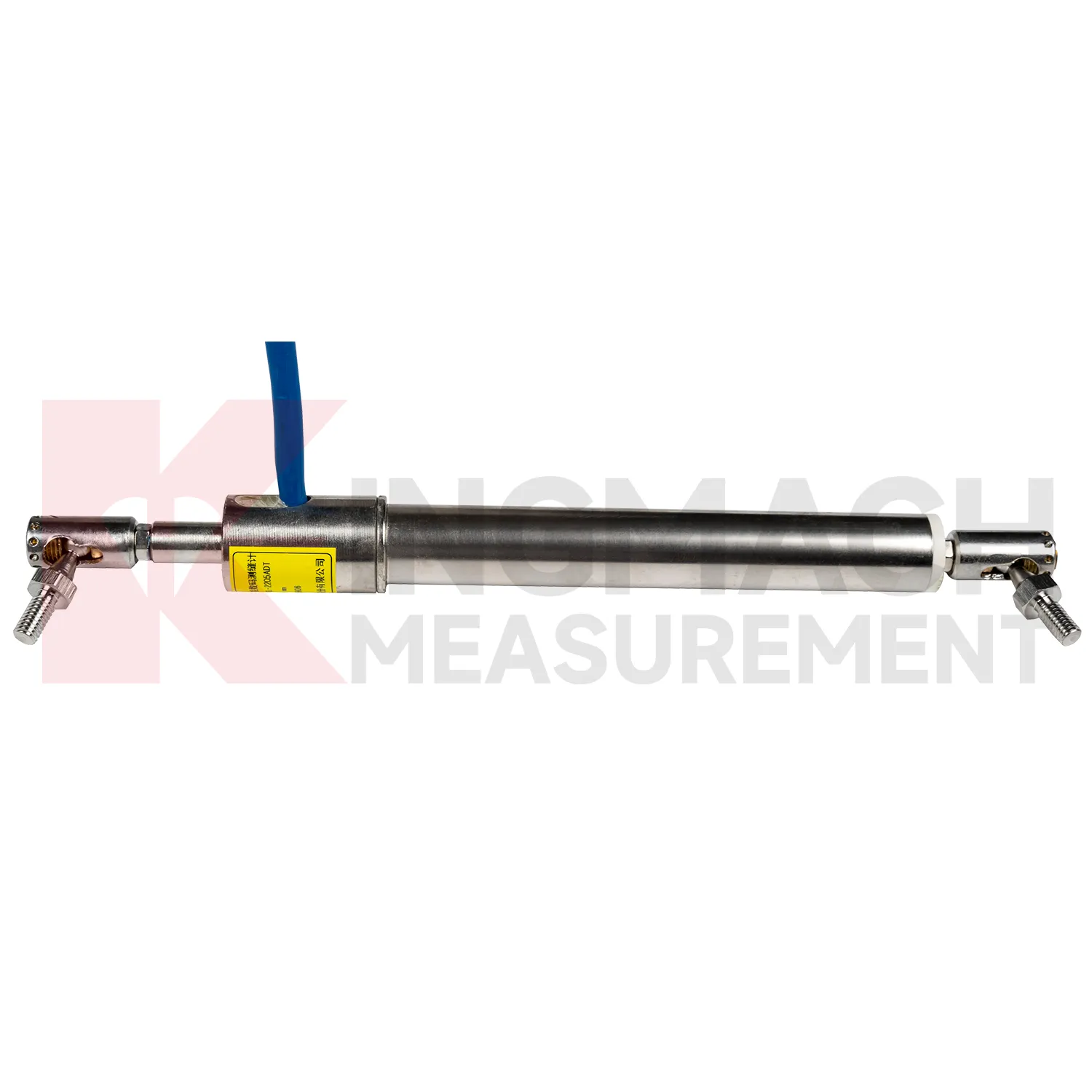
Care & Maintenance of Flexible Displacement Meter
For formwork and construction-stage Flexible Displacement Meter, inspection frequency should match the work rhythm. Kingmach JMDL-49XXAT formwork displacement meters may be used during concrete pouring, steel pipe support monitoring, tunnel portal movement, slope sliding, dam displacement, or railway subgrade monitoring. The product lists IP68 protection, 0.01 mm sensitivity, 0.5%FS accuracy, and a 30-year service life, but construction sites can still damage connectors, brackets, and cables quickly. Before pouring, confirm the zero reading, bracket tightness, cable route, warning level, and acquisition interval. During pouring or loading, watch for sudden jumps that match pump movement, support adjustment, or worker contact. After the stage is complete, inspect whether the sensor was knocked, buried, or moved. Keep time and temperature records with displacement readings because short-term construction movement can be different from long-term structural deformation. Keep the installation photo, point number, zero value, and expected movement direction with the commissioning record for later review. If a reading changes after maintenance work, inspect the base, anchor, cable, and cabinet before assuming the structure itself has moved.
Kingmach Flexible Displacement Meter
Long-term projects need Flexible Displacement Meter that can survive the same weather, vibration, cable pulling, and site handling as the structure itself. Kingmach designs several smart displacement products with built-in memory chips, digital detection, strong anti-interference capability, and direct display through compatible testers. The JMDL-22XXAT crack gauge stores up to 600 measurement results and covers 20 mm, 50 mm, 100 mm, and 200 mm models. The JMDL-21XXAT general-purpose model stores up to 800 records and can save time, temperature, absolute displacement, relative displacement, and zero-point values. These records matter during handover because the original baseline, later shifts, and abnormal readings can be checked without relying only on handwritten notes. For bridges, dams, tunnels, slopes, and buildings, that traceability helps maintenance teams judge whether a movement event is isolated, repeated, or linked with surrounding construction and environmental change. The point should be named on the drawing, linked with its cable route, and checked against the expected movement direction before the first automatic reading is accepted. For daily review, the reading should be compared with nearby points, recent weather, site operations, and any loading event that could explain the movement.
FAQ
Q: Which Flexible Displacement Meter handle long travel?
A: JMLS-22XXADT wire rope sensors cover 0 to 500 mm, 0 to 1000 mm, and 0 to 2000 mm ranges, while JMCW-21XXADT magnetostrictive meters cover 0 to 1000 mm absolute position measurement.
Q: What is the difference between wire rope and magnetostrictive types?
A: Wire rope sensors convert cable extension or retraction into displacement data, while magnetostrictive meters use non-contact sensing for absolute linear position.
Q: What protection ratings are listed?
A: Product information lists IP67 for the JMLS-22XXADT wire rope sensor and IP67 for the JMCW-21XXADT magnetostrictive meter.
Q: What communication is available?
A: Both products list RS485 communication, which supports digital connection to acquisition systems.
Q: Where are long-travel models used?
A: They are used in dam monitoring, geohazard prevention, machinery position, hydraulic cylinders, gate movement, tunnel clearances, and structural displacement between two points.
Reviews
James Thompson
The tiltmeters and accelerometers are very sensitive and provide precise data. Perfect for our structural health monitoring system.
Ryan Lewis
Fast delivery and excellent product quality. The accelerometers and tiltmeters are highly reliable. Strongly recommend this company.
Latest Inquiries
To protect the privacy of our buyers, only public service email domains like Gmail, Yahoo, and MSN will be displayed. Additionally, only a limited portion of the inquiry content will be shown.
Isabella***@gmail.comGermany
Hello, we are evaluating weir flow meters for a water management project. Please share accuracy deta...
Ava***@gmail.comAustralia
Hi, I am looking for reliable tiltmeters and accelerometers for structural health monitoring. Please...