
 EN
EN
 ar
ar bg
bg hr
hr cs
cs da
da nl
nl fi
fi fr
fr de
de el
el hi
hi it
it ko
ko no
no pl
pl pt
pt ro
ro ru
ru es
es sv
sv tl
tl iw
iw id
id lv
lv lt
lt sr
sr sk
sk sl
sl uk
uk vi
vi et
et hu
hu th
th tr
tr fa
fa ms
ms hy
hy ka
ka ur
ur bn
bn mn
mn ta
ta kk
kk uz
uz ku
ku
Test dedicated shielded wire
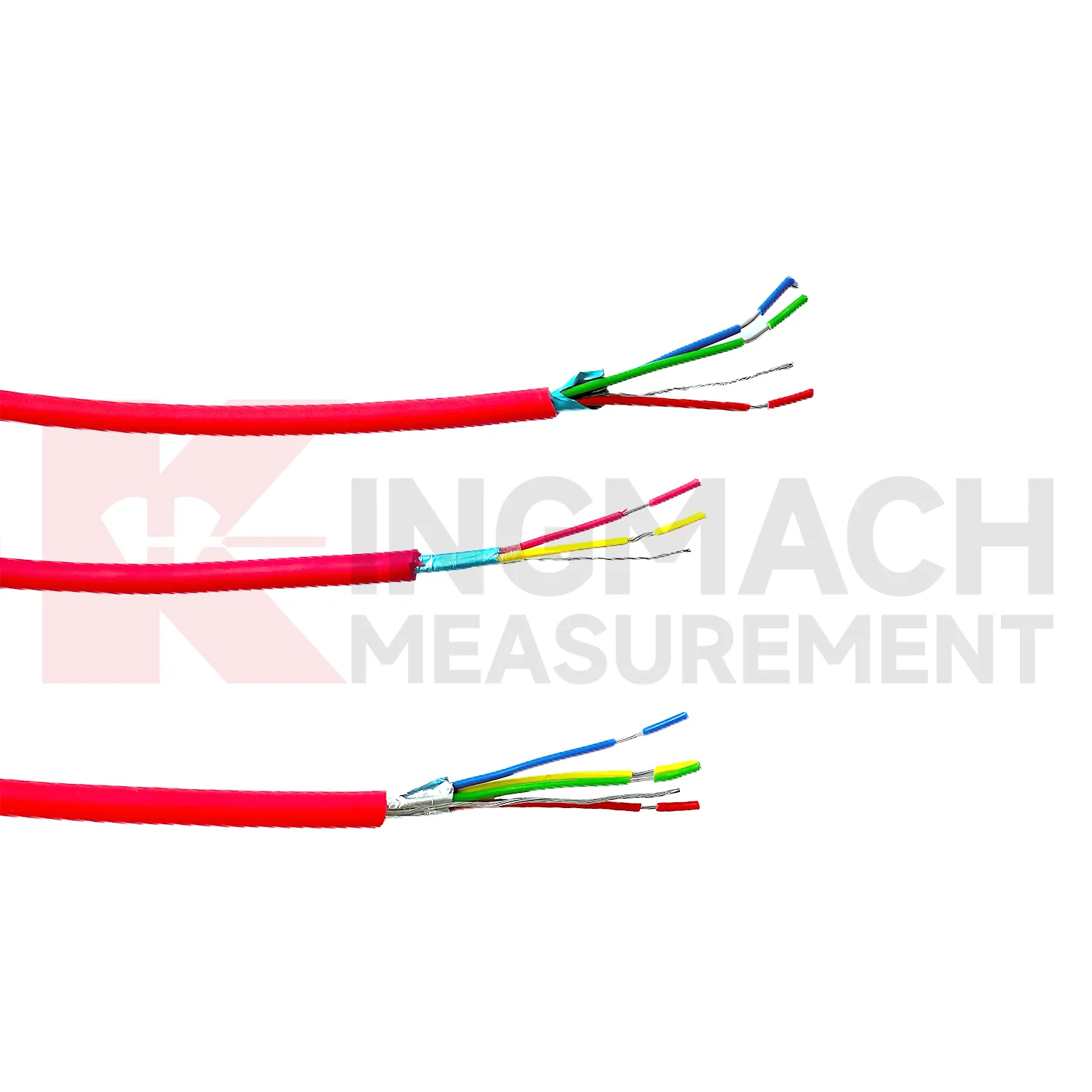
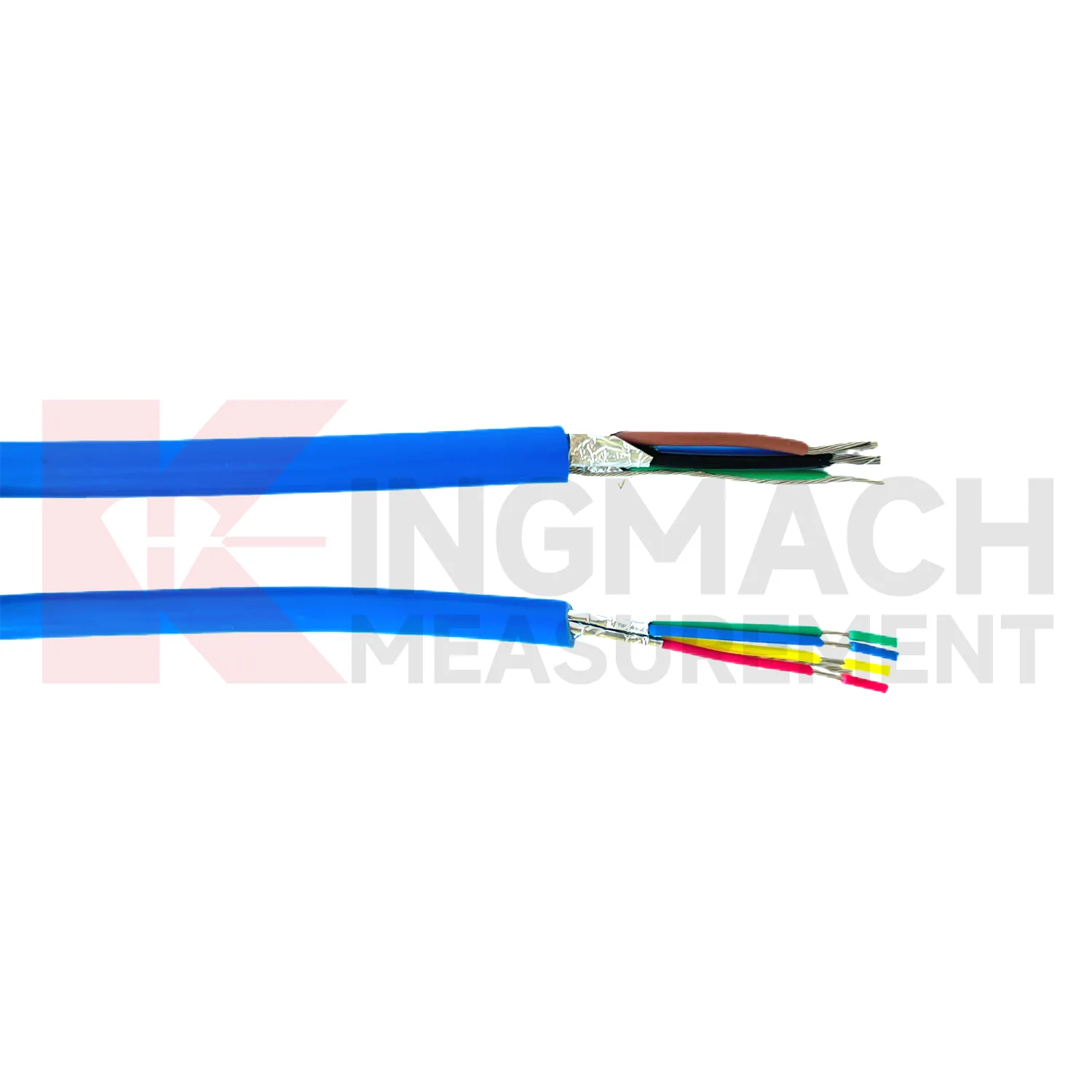
The practical function of Kingmach Test dedicated shielded wire is to keep signals and power paths stable between field instruments and monitoring hardware. A cable route may look minor on drawings, but it determines whether data reaches the recorder cleanly after rain, vibration, bending, interference, or routine site work. Layered shielding helps with electrical noise. Water-resistant insulation and sealing help with wet exposure. Wear resistance helps when routes pass through areas that may be handled, moved, or inspected repeatedly. The cable specification should therefore be reviewed with the same care as sensor range and recorder channel count.
Application of Test dedicated shielded wire
Wind tower monitoring uses Kingmach Test dedicated shielded wire to connect strain, tilt, vibration, foundation, and environmental instruments exposed to moving structures and changing weather. Cables may run inside towers, around foundations, through junction boxes, or near power equipment. Shielding helps protect weak measurement signals near electrical systems, while wear resistance helps during repeated inspection or service work. When a tower vibration or tilt record changes, the team can inspect cable fixation, connector sealing, and cabinet entry before treating the reading as a structural issue.
The future of Test dedicated shielded wire
AI-assisted monitoring will still depend on Kingmach Test dedicated shielded wire because automated review is only as good as the incoming data. If a model learns from noisy, mislabeled, or moisture-affected channels, it may flag ordinary wiring faults as structural anomalies. Future monitoring teams will need cable metadata: model, route, core assignment, shielding status, sealing date, repair history, and first stable test. That context helps automated tools judge whether a data shift belongs to the structure, the environment, or the connection path.
Care & Maintenance of Test dedicated shielded wire
Protect Kingmach Test dedicated shielded wire from moisture at cable ends and cabinet entries. Even a cable with strong water-resistant behavior can fail if the termination is left open, poorly sealed, or exposed during maintenance. In hydraulic work, check glands, junction boxes, conduits, and any low points where water may collect. After heavy rain, flooding, cleaning, or wet construction work, inspect affected cable routes before relying on abnormal readings. Dry and sealed terminations help preserve signal quality over long monitoring periods.
Kingmach Test dedicated shielded wire
The value of Kingmach Test dedicated shielded wire becomes clear during commissioning. Before a monitoring system is accepted, engineers need stable readings, clean channels, correct labels, and a cable route that can survive normal site activity. If a reading drifts during the first test, the team should inspect shield continuity, cable end sealing, connector tightness, cabinet entry, and nearby interference sources before blaming the sensor. Good cable work shortens this troubleshooting process. It also gives the owner a clearer handover package: cable model, route photo, core assignment, recorder channel, and first stable data record.
FAQ
Q: What should be checked before pulling cable?
A: Confirm the drawing route, conduit condition, bend radius, wet sections, nearby power equipment, and cabinet entry position.
Q: How should a shielded cable route be handled?
A: Keep it away from strong electrical sources where possible and maintain the intended shielding practice at termination.
Q: Why are cable ends important?
A: Open or poorly sealed ends can let moisture enter the route and create unstable readings long after installation.
Q: What commissioning signs suggest a cable issue?
A: Repeated spikes, channel dropouts, flatline data, or readings that change when nearby equipment starts can point to the route.
Q: Why keep installation photos?
A: Photos show route position, cabinet entry, labels, and later changes, which makes troubleshooting faster.
Reviews
Christopher Martinez
Very satisfied with the readouts & data loggers. User-friendly interface and supports multiple sensor inputs.
Michael Anderson
The strain gauges and load cells are extremely accurate and stable. They performed very well in our bridge monitoring project. Highly recommended!
Latest Inquiries
To protect the privacy of our buyers, only public service email domains like Gmail, Yahoo, and MSN will be displayed. Additionally, only a limited portion of the inquiry content will be shown.
Ava***@gmail.comAustralia
Hi, I am looking for reliable tiltmeters and accelerometers for structural health monitoring. Please...
Olivia***@gmail.comUnited States
Hello, we are currently sourcing high-precision strain gauges and load cells for a bridge monitoring...
Related product categories
- Singlelayer Shielded Test Cable
- Multicore Shielded Test Cable
- 2core / 4core / 6core / 8core Hydrological Cable
- Corrosionresistant Hydrological Cable
- Shielded Hydrological Cable
- Multicore Hydrological Cable
- Data Transmission Cable
- Automated Equipment Test Cable
- Sensor Shielded Test Cable
- Motor Shielded Test Cable
- Signal Cables
- Test dedicated shielded wire