
 EN
EN
 ar
ar bg
bg hr
hr cs
cs da
da nl
nl fi
fi fr
fr de
de el
el hi
hi it
it ko
ko no
no pl
pl pt
pt ro
ro ru
ru es
es sv
sv tl
tl iw
iw id
id lv
lv lt
lt sr
sr sk
sk sl
sl uk
uk vi
vi et
et hu
hu th
th tr
tr fa
fa ms
ms hy
hy ka
ka ur
ur bn
bn mn
mn ta
ta kk
kk uz
uz ku
ku
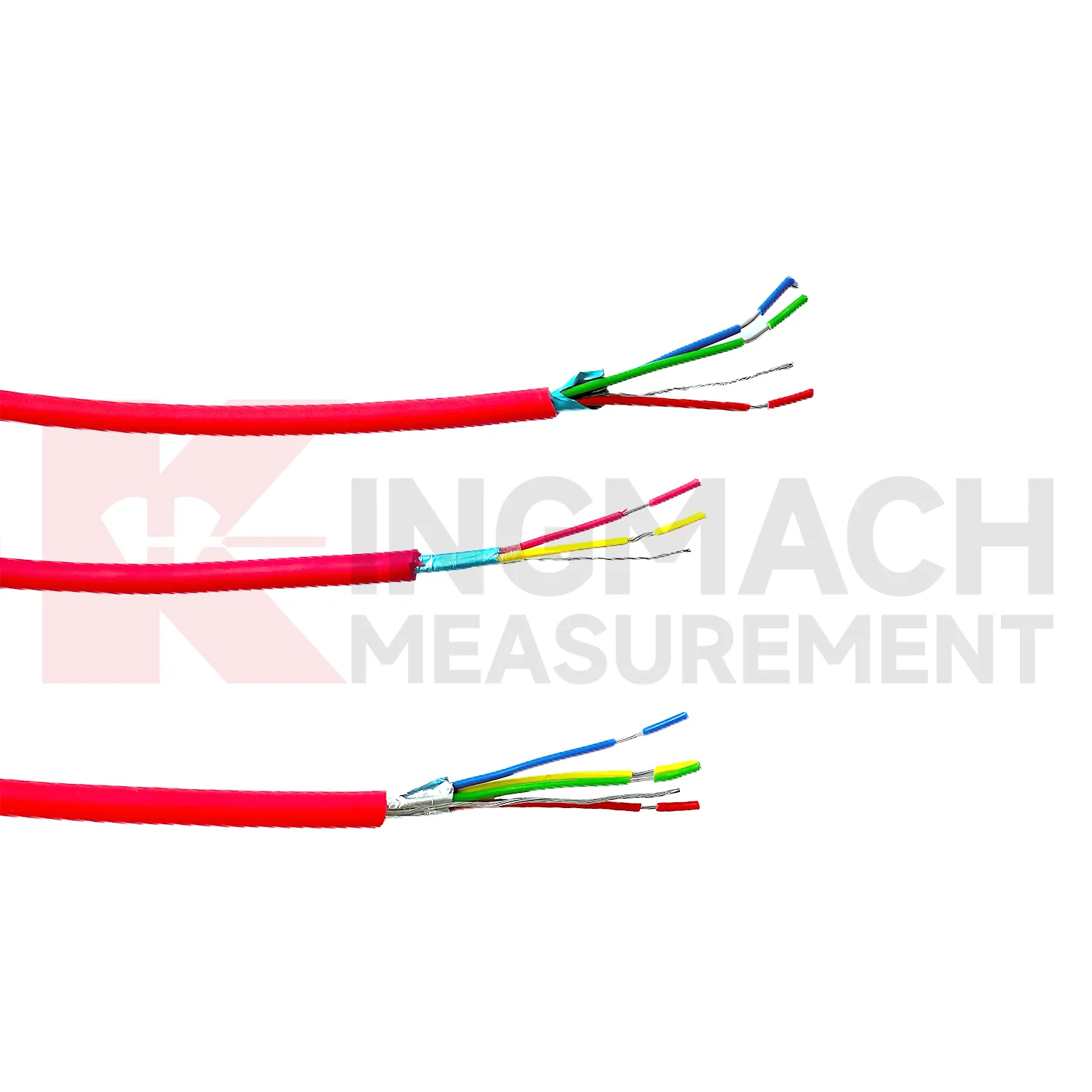
Triplelayer Shielded Test Cable
The practical function of Kingmach Triplelayer Shielded Test Cable is to keep signals and power paths stable between field instruments and monitoring hardware. A cable route may look minor on drawings, but it determines whether data reaches the recorder cleanly after rain, vibration, bending, interference, or routine site work. Layered shielding helps with electrical noise. Water-resistant insulation and sealing help with wet exposure. Wear resistance helps when routes pass through areas that may be handled, moved, or inspected repeatedly. The cable specification should therefore be reviewed with the same care as sensor range and recorder channel count.
Application of Triplelayer Shielded Test Cable
Bridge monitoring uses Kingmach Triplelayer Shielded Test Cable to connect sensors across decks, pylons, bearings, anchor zones, cable areas, and cabinets. These routes often pass through zones with traffic vibration, weather exposure, maintenance work, and long cable runs. Shielded test wiring helps preserve strain, load, displacement, or vibration signals near electrical noise sources. Hydraulic cable can be used where water, drainage, or damp box-girder conditions affect routing. Clear cable labeling and sealed terminations help bridge owners trace readings during inspections after storms, impacts, or heavy traffic events.
The future of Triplelayer Shielded Test Cable
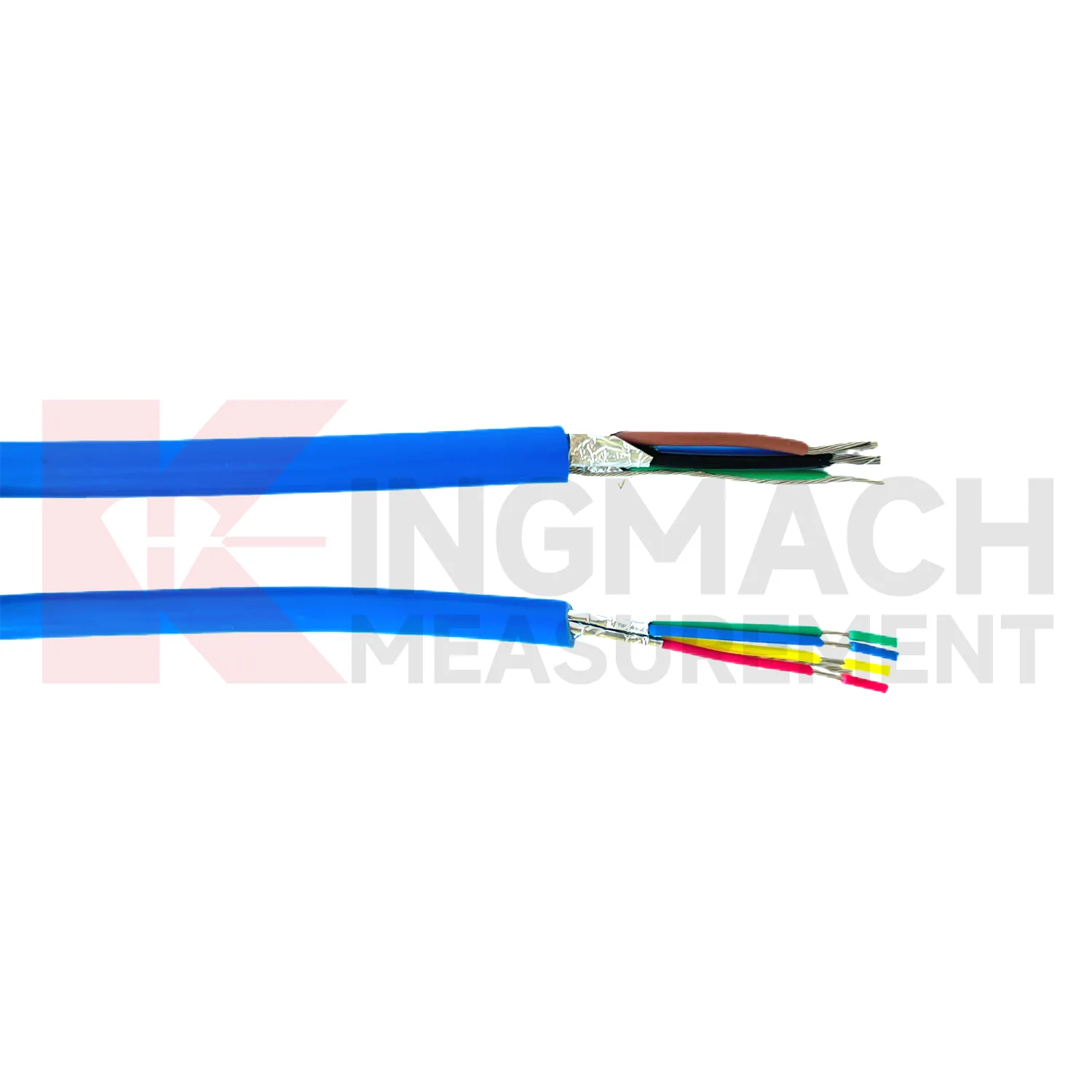
Sustainability goals will influence how Kingmach Triplelayer Shielded Test Cable are selected and maintained. Replacing failed cable routes wastes labor, materials, and site access time, especially on large infrastructure. Durable cable selection and careful routing can reduce unnecessary replacement, avoid repeated cabinet work, and help monitoring systems remain useful for longer. Better service life also protects the sensors and recorders connected to the cable path because fewer faults travel into the wider network.
Care & Maintenance of Triplelayer Shielded Test Cable
Inspect Kingmach Triplelayer Shielded Test Cable after construction activity near the route. Excavation, welding, drilling, formwork movement, equipment relocation, and temporary power installation can all damage cable or change interference conditions. The inspection should cover sheath cuts, crushed sections, loose ties, connector strain, cabinet entry sealing, and changed proximity to power lines. If data changed around the same date as site work, check the cable path before treating the change as a structural trend.
Kingmach Triplelayer Shielded Test Cable
Kingmach Triplelayer Shielded Test Cable give engineers a practical way to standardize sensor wiring across mixed instrument projects. A single structure may use vibrating wire strain gauges, load cells, displacement meters, tiltmeters, piezometers, settlement sensors, temperature sensors, and readout or data logger equipment. Without consistent cable selection and labeling, the cabinet becomes difficult to inspect after a few months of field changes. Layered shielding, multi-core options, and marked Kingmach delivery help the team maintain traceability from sensor to recorder. When later readings are reviewed, that traceability supports faster checks of channel identity, cable condition, and connection history.
FAQ
Q: What should be checked before pulling cable?
A: Confirm the drawing route, conduit condition, bend radius, wet sections, nearby power equipment, and cabinet entry position.
Q: How should a shielded cable route be handled?
A: Keep it away from strong electrical sources where possible and maintain the intended shielding practice at termination.
Q: Why are cable ends important?
A: Open or poorly sealed ends can let moisture enter the route and create unstable readings long after installation.
Q: What commissioning signs suggest a cable issue?
A: Repeated spikes, channel dropouts, flatline data, or readings that change when nearby equipment starts can point to the route.
Q: Why keep installation photos?
A: Photos show route position, cabinet entry, labels, and later changes, which makes troubleshooting faster.
Reviews
James Thompson
The tiltmeters and accelerometers are very sensitive and provide precise data. Perfect for our structural health monitoring system.
Michael Anderson
The strain gauges and load cells are extremely accurate and stable. They performed very well in our bridge monitoring project. Highly recommended!
Latest Inquiries
To protect the privacy of our buyers, only public service email domains like Gmail, Yahoo, and MSN will be displayed. Additionally, only a limited portion of the inquiry content will be shown.
Charlotte***@gmail.comUnited Arab Emirates
Hi, we require instrumentation cables suitable for harsh environments. Could you advise on specifica...
Amelia***@gmail.comSingapore
Hello, I am looking for visualization software for monitoring system data analysis. Please let me kn...
Related product categories
- Singlelayer Shielded Test Cable
- Multicore Shielded Test Cable
- 2core / 4core / 6core / 8core Hydrological Cable
- Corrosionresistant Hydrological Cable
- Shielded Hydrological Cable
- Multicore Hydrological Cable
- Data Transmission Cable
- Automated Equipment Test Cable
- Sensor Shielded Test Cable
- Motor Shielded Test Cable
- Signal Cables
- Test dedicated shielded wire