
 EN
EN
 ar
ar bg
bg hr
hr cs
cs da
da nl
nl fi
fi fr
fr de
de el
el hi
hi it
it ko
ko no
no pl
pl pt
pt ro
ro ru
ru es
es sv
sv tl
tl iw
iw id
id lv
lv lt
lt sr
sr sk
sk sl
sl uk
uk vi
vi et
et hu
hu th
th tr
tr fa
fa ms
ms hy
hy ka
ka ur
ur bn
bn mn
mn ta
ta kk
kk uz
uz ku
ku
triaxial accelerometer sensor
Single-direction acceleration measurement is useful when the project already knows the main movement direction. In ground pulsation, flexible structures, bridge safety testing, and low-frequency vibration work, a focused measurement axis can give a clean record without unnecessary complexity. Kingmach acceleration equipment can support weak vibration, low-frequency behavior, and large-amplitude movement in flexible structures when the monitoring plan is built around those needs. It is especially relevant when the team wants to monitor one dominant response direction over time. The field record should keep axis direction, mounting face, event timing, and acquisition settings together so the resulting waveform is tied to a real structural question. If the point is moved or the axis is changed, that change must be visible in the record. Otherwise, a later reviewer may compare data that no longer represents the same direction or surface.
A useful dynamic record needs both signal quality and site context. Mounting condition, axis direction, cable stability, acquisition timing, and event labeling all affect whether the data can support an engineering decision after review.
During interpretation, the team should compare the motion with nearby strain, displacement, tilt, load, wind, temperature, traffic, machinery, or construction notes. That wider view helps separate normal response from a pattern that needs inspection.
If the reading changes suddenly, the first check should include the sensor attachment, cable route, connector, channel name, and recent field activity. This prevents a maintenance issue from being mistaken for structural behavior.
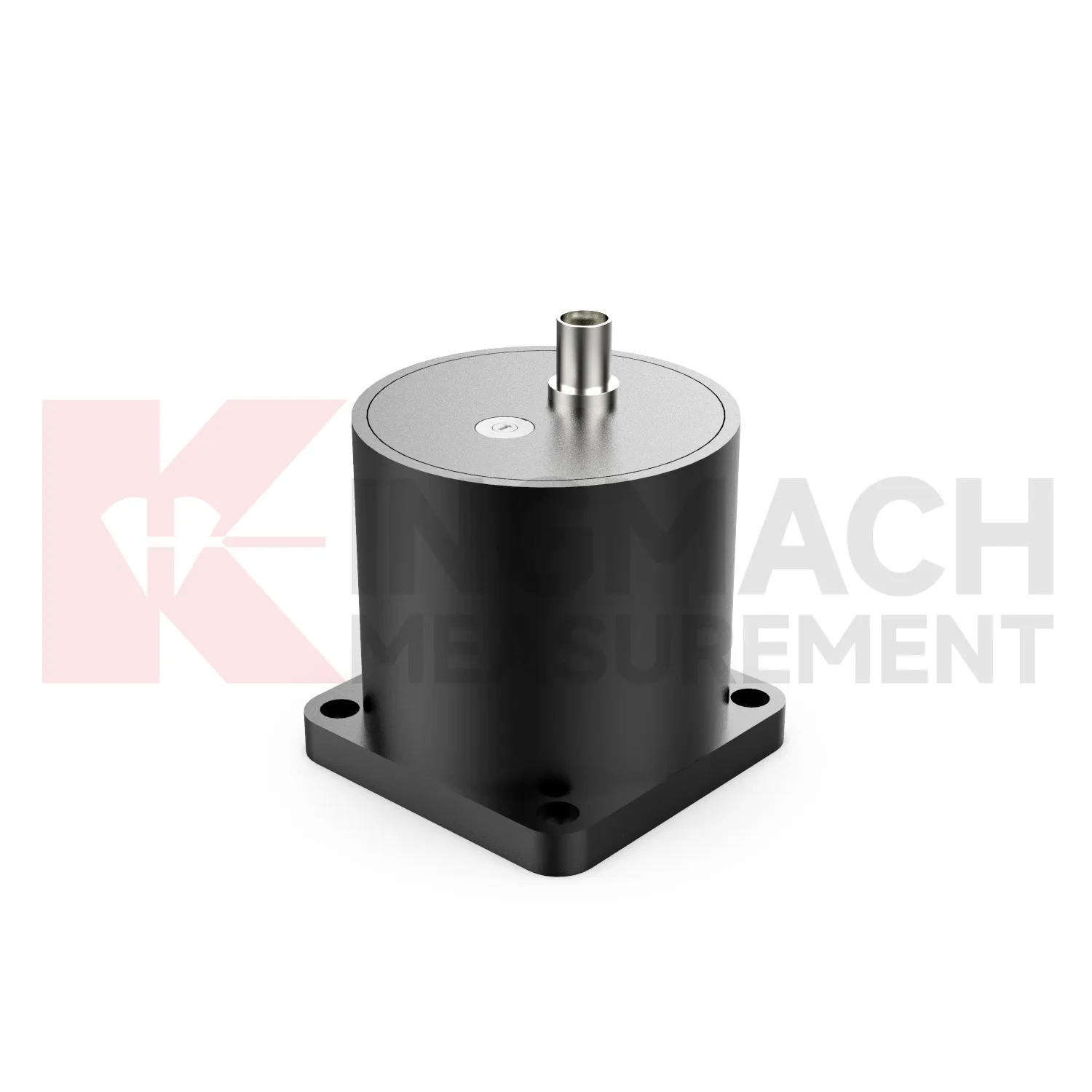
Application of triaxial accelerometer sensor
Bridge projects use Kingmach triaxial accelerometer sensor to understand deck response, cable vibration, pier movement, and behavior during traffic, wind, impact, or maintenance activity. Acceleration data can help identify frequency changes and abnormal vibration patterns that visual inspection may miss. For cable-supported bridges, vibration response may also support cable force review when the test method is configured correctly. The monitoring plan should tie each point to a structural member, axis direction, event type, and analysis method. Acceleration should be reviewed with strain, displacement, tilt, temperature, wind, and traffic records when available. A bridge may vibrate normally during heavy traffic or high wind, but the same motion under quiet conditions can mean something different. Clear event notes and linked data help engineers make that distinction.
Bridge work also needs a careful separation between local and global response. A sensor near a cable anchorage, bearing seat, pier cap, or deck panel may tell a different story from a point at midspan. The report should identify the structural member, not just the bridge name, so reviewers know which part of the bridge produced the signal.
For long-term bridge operation, repeated vibration records can become a reference library. Engineers can compare similar traffic, wind, or maintenance events and see whether the response remains familiar. If a new event no longer matches that history, the team has a better reason to inspect the related member.
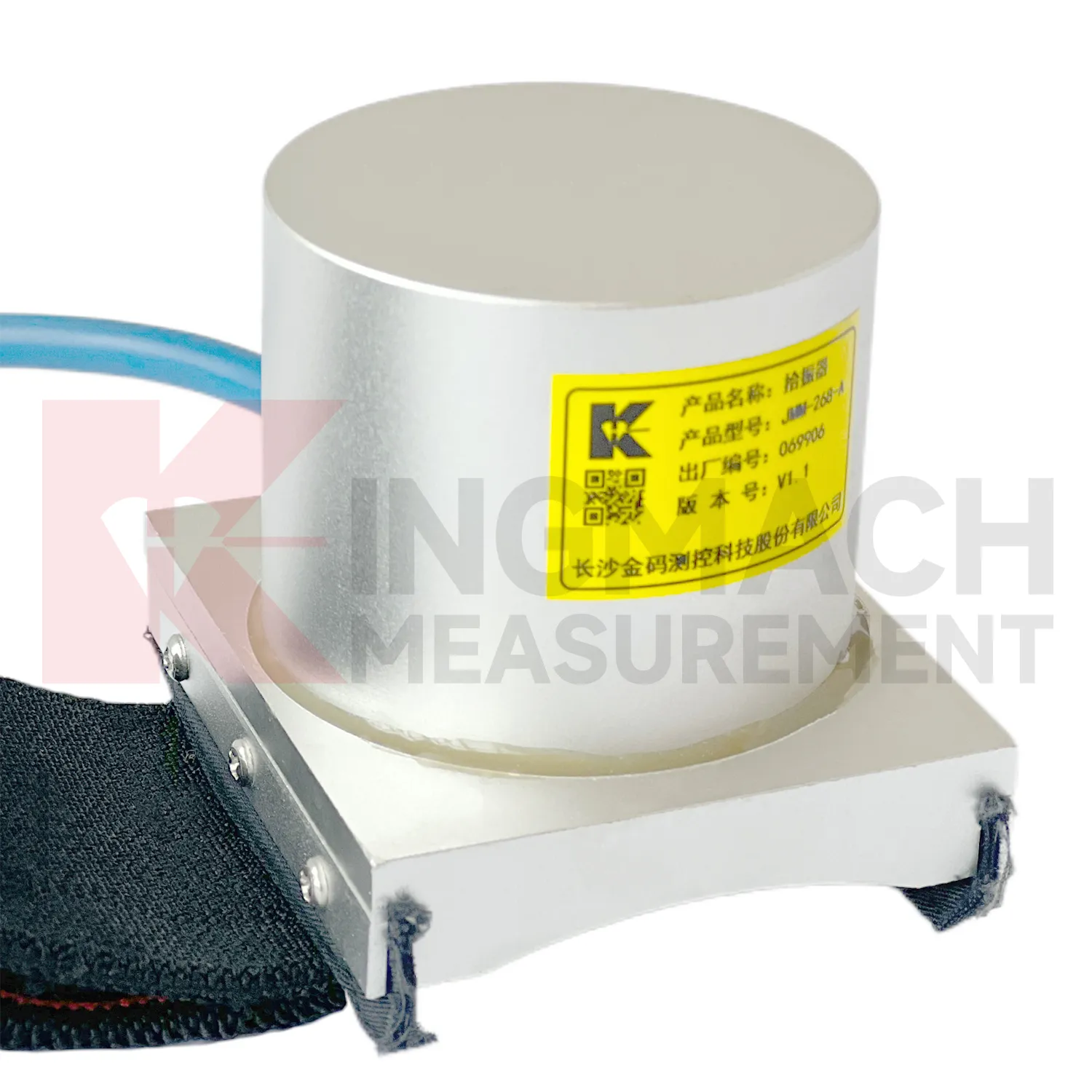
The future of triaxial accelerometer sensor
The future of Kingmach triaxial accelerometer sensor will make long-term asset records more useful. Dynamic response can change as a bridge ages, a cable is adjusted, a machine foundation settles, or a building is modified. When acceleration records are stored with event notes, maintenance history, and related sensor data, owners can compare present behavior with past behavior. That long view helps separate one-time events from gradual change. A mature monitoring record turns vibration measurement into part of asset management. It also helps teams decide whether to inspect, continue observing, adjust equipment, or compare a new event with an earlier one.
Future asset records should preserve examples of normal behavior, not only alarms. A bridge, tunnel, machine base, or building floor may have a familiar vibration pattern during routine operation. Keeping those examples helps reviewers judge whether a later event is genuinely new.
This long view also supports budgeting. If certain points show repeated events after maintenance, weather, or operating changes, owners can plan inspection and repair work around evidence rather than reacting to isolated traces.
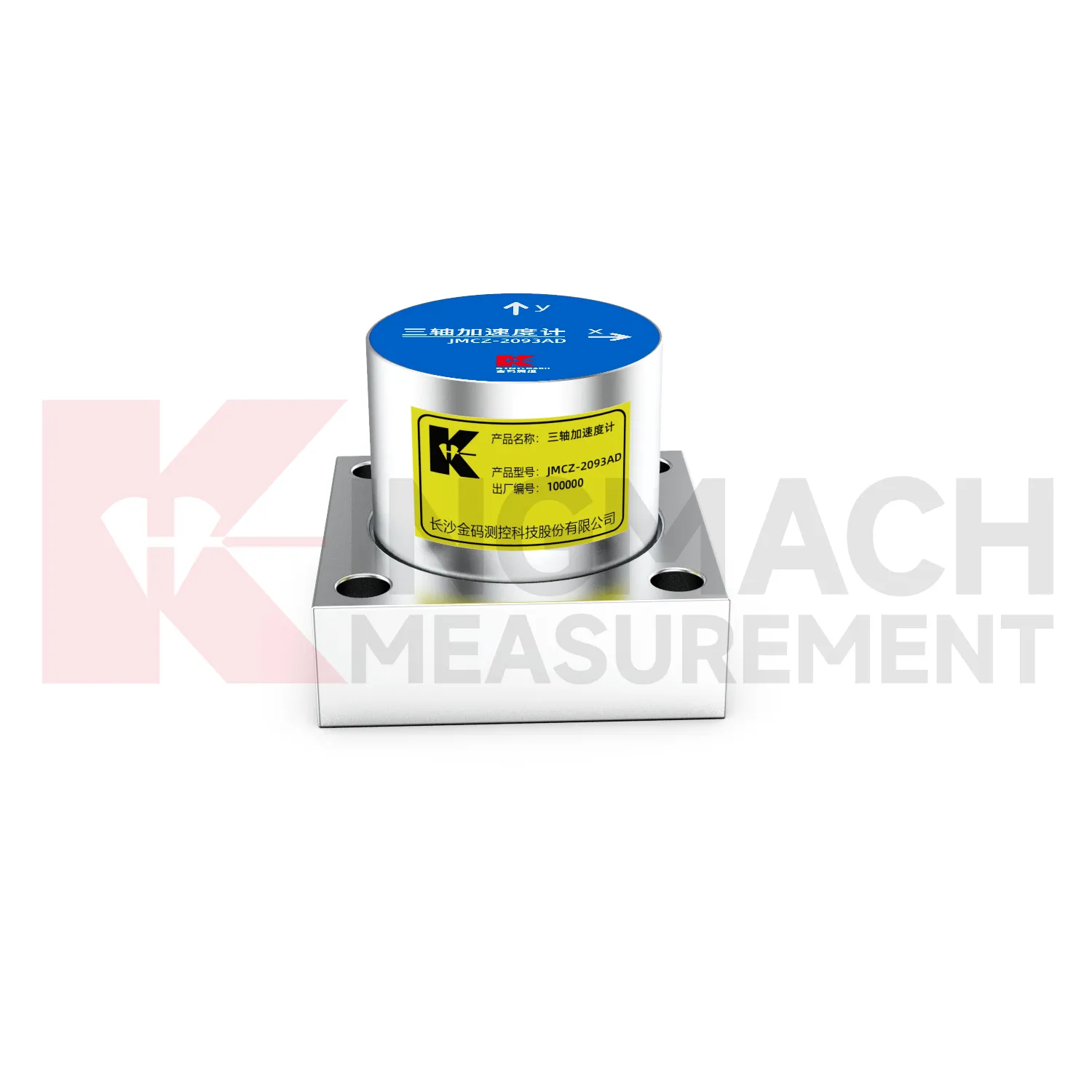
Care & Maintenance of triaxial accelerometer sensor
Replacement of Kingmach triaxial accelerometer sensor components should be visible in the monitoring record. When a sensor, cable, connector, bracket, acquisition channel, or software setting changes, record the date, reason, old point condition, new point condition, and first stable test. Do not hide replacement by forcing the new record to look continuous without explanation. Future reviewers need to know whether a change in vibration came from the structure or from maintenance. A clear replacement note protects the long-term data story. It also makes handover easier when a new team takes responsibility for the monitoring system.
Weak-vibration review should include nearby walking, wind, traffic, equipment start-up, and construction activity because these sources can influence the trace. People walking nearby, wind, traffic, equipment start-up, and construction work can all influence the trace, so the field note should capture what was happening around the point.
For high-risk assets, inspection timing should follow events as well as calendar dates. After impact, blasting, severe weather, unusual vibration, or equipment maintenance, the sensor and the data path both deserve a quick check.
Kingmach triaxial accelerometer sensor
Dynamic monitoring with Kingmach triaxial accelerometer sensor should be designed around events. A sensor may sit quietly for long periods and then become important during blasting, train passage, wind loading, equipment start-up, impact, or seismic activity. The acquisition system must be ready to capture the motion at the right moment and preserve enough context for later analysis. Event records should include time, location, operating condition, related structural readings, and any field notes. The same acceleration level may mean different things during normal traffic, after an impact, or during construction work. Event names and review notes help reviewers connect the waveform with the real operating condition.
For high-risk assets, inspection timing should follow events as well as calendar dates. After impact, blasting, severe weather, unusual vibration, or equipment maintenance, the sensor and the data path both deserve a quick check.
For field teams, the record is strongest when the waveform is tied to a named event and a known physical point. The note should state what was operating, what changed on site, whether other instruments reacted, and whether the motion repeated under similar conditions.
FAQ
Q: What maintenance do Kingmach triaxial accelerometer sensor need?
A: Check mounting, cable condition, connector sealing, axis label, acquisition status, cabinet condition, and recent site disturbance.
Q: How often should they be inspected?
A: Frequency depends on asset risk, access, vibration level, and whether construction or severe weather is active nearby.
Q: What should be checked after a strong event?
A: Inspect sensor attachment, cable route, cabinet, data completeness, event labels, and related structural readings.
Q: Can software changes affect data?
A: Yes. Platform or acquisition changes can affect channel names, timing, storage, triggers, and analysis settings.
Q: How should replacement be documented?
A: Record old and new equipment, location, reason, date, technician, first test record, and any change to axis or channel name.
Dynamic data can be sensitive to small field changes. A new bracket, nearby machine, temporary work platform, changed cable route, or software update can alter the record, so those changes belong in the maintenance history.
Reviews
James Thompson
The tiltmeters and accelerometers are very sensitive and provide precise data. Perfect for our structural health monitoring system.
Michael Anderson
The strain gauges and load cells are extremely accurate and stable. They performed very well in our bridge monitoring project. Highly recommended!
Latest Inquiries
To protect the privacy of our buyers, only public service email domains like Gmail, Yahoo, and MSN will be displayed. Additionally, only a limited portion of the inquiry content will be shown.
Harper***@gmail.comIndia
Dear Sir, we are planning to procure a complete monitoring system including strain gauges, tiltmeter...
Sophia***@gmail.comUnited Kingdom
Good day, we need environmental monitoring sensors including temperature, humidity, and wind sensors...