
 EN
EN
 ar
ar bg
bg hr
hr cs
cs da
da nl
nl fi
fi fr
fr de
de el
el hi
hi it
it ko
ko no
no pl
pl pt
pt ro
ro ru
ru es
es sv
sv tl
tl iw
iw id
id lv
lv lt
lt sr
sr sk
sk sl
sl uk
uk vi
vi et
et hu
hu th
th tr
tr fa
fa ms
ms hy
hy ka
ka ur
ur bn
bn mn
mn ta
ta kk
kk uz
uz ku
ku
weir flow meter
Kingmach weir flow meter is built around the practical task of measuring flow in a controlled open-channel section. The system concept combines a weir structure with precise water head observation, then converts that head change into a flow record that can be reviewed over time. This approach is useful in water conservancy, drainage, irrigation, tunnel discharge, small hydraulic structures, and water resource management because it gives teams a repeatable way to compare changing flow conditions. A useful product description can follow the field chain: water approaches the weir, the control section creates a stable relationship, the head is measured, the data is transmitted, and the record is reviewed with site notes. Accuracy depends not only on the instrument but also on the shape and condition of the channel. Sediment, debris, turbulence, backwater, poor leveling, or an unclear reference point can all make a clean sensor record less meaningful. For that reason, a complete project should define installation location, cleaning access, data review, and maintenance responsibility before the point is put into service. For water accounting or resource management, the same section, reference point, and maintenance discipline make seasonal and operational comparison reliable. If the channel is modified, the record should not hide the change. A repair, new crest, cleaned approach, moved enclosure, or changed data channel can affect comparability and should be visible beside the next flow trend.
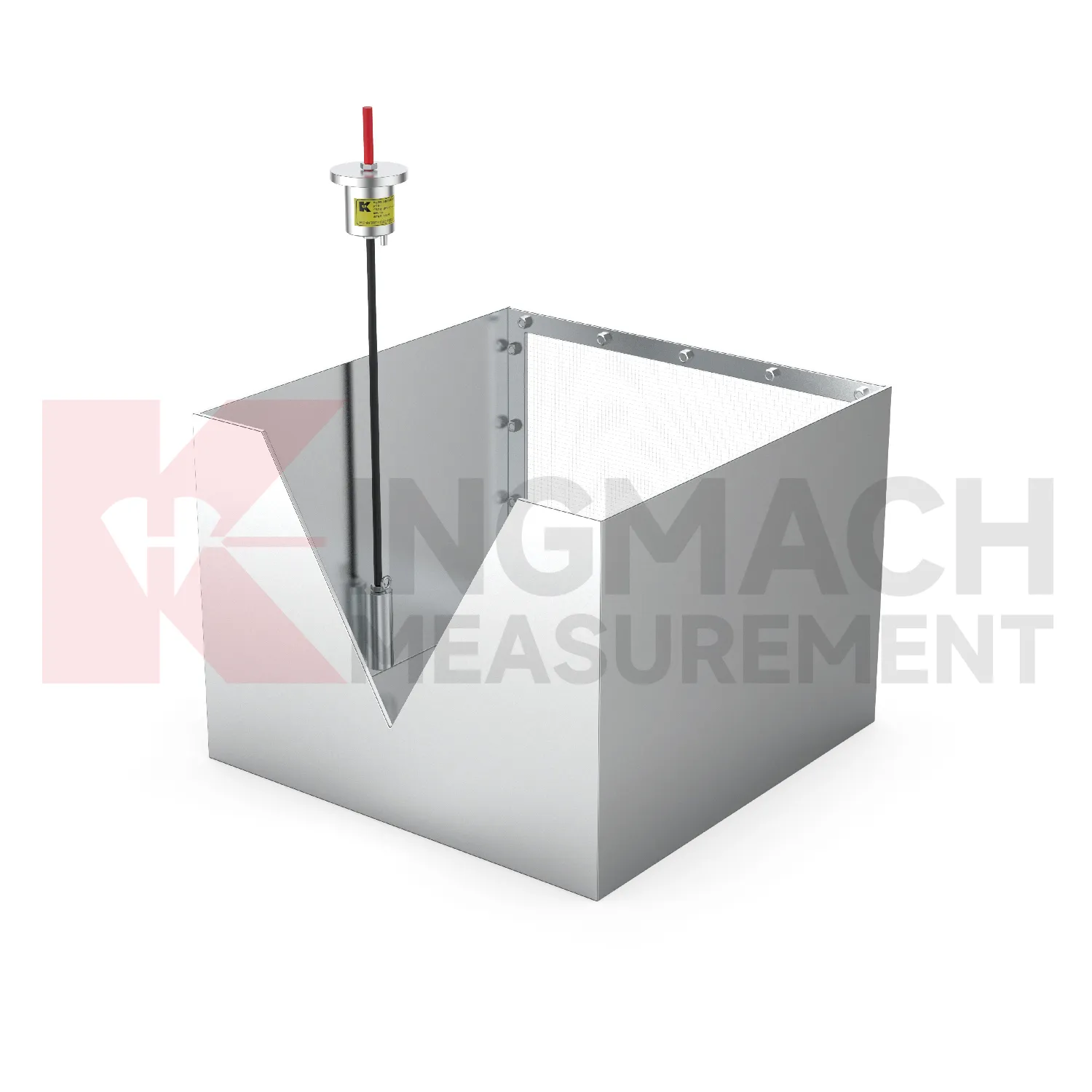
Application of weir flow meter
Tunnel and underground projects use Kingmach weir flow meter when discharge, seepage collection, or drainage flow needs to be observed over time. A tunnel drainage point may behave differently after rainfall, excavation, lining work, groundwater change, or maintenance cleaning. Flow records should be reviewed with seepage notes, water level observations, settlement, convergence, crack records, and inspection photographs. The measuring point must remain accessible because underground channels can collect sediment, scale, or debris. Point names should include section, side, drainage path, and purpose so future maintenance teams know what the record represents. A reliable flow curve helps distinguish routine drainage from a change that may require closer investigation. In underground work, the context around the number matters. A rising flow trend near a known seepage zone may require a different response from a brief rise after planned washing or pumping. Operators should keep notes about access restrictions, lighting, ventilation, cleaning time, and visible deposits near the measuring section. Those details help engineers review the record without guessing what happened on site. When the tunnel enters long-term service, the same monitoring point can continue to support drainage maintenance, seasonal review, and early discussion of unusual water movement. It also helps compare different tunnel sections without relying only on memory or scattered inspection notes.
The future of weir flow meter
The future of Kingmach weir flow meter will place more attention on readable reporting. Flow monitoring often serves mixed audiences: hydraulic engineers, maintenance teams, water managers, construction supervisors, and asset owners. A useful report should explain the measured channel, the time period, the event, the flow trend, the site condition, and the action taken. It should not require every reader to interpret raw curves. Clear reporting will make flow data easier to use during storm review, irrigation planning, tunnel maintenance, drainage management, and long-term asset reporting. Future reports should separate observation from judgment. The chart may show a rise or drop, while the note explains rainfall, pumping, cleaning, blockage, or downstream influence. When those layers are visible, different teams can discuss the same event without losing the field context. Readable reporting saves time because it makes the next action easier to agree on. It also makes monthly review easier for non-specialist managers.
Care & Maintenance of weir flow meter
Backwater and downstream conditions can affect Kingmach weir flow meter records. A weir point assumes that the control section represents the intended relationship between water head and discharge. If downstream water rises, debris blocks the outlet, or channel work creates partial submergence, the recorded level may no longer describe normal open-channel behavior. Maintenance teams should inspect the outlet reach with the same care as the upstream approach. Reports should note flooding, gate operation, temporary pumping, silt deposits, weed growth, or repair work near the discharge path. This wider inspection prevents staff from treating every unusual reading as an instrument fault. A practical review can compare the timing of level changes with rainfall logs, pump schedules, site photographs, and operator notes. When the surrounding hydraulic condition has changed, the record should be kept with a clear explanation before any long-term trend, alarm history, or monthly flow total is interpreted for operating decisions. Clear notes reduce repeated site visits.
Kingmach weir flow meter
For water conservancy and drainage work, Kingmach weir flow meter helps turn routine channel observation into a record that can be compared over time. Manual checks may capture a single moment, but automatic flow monitoring can show daily rhythm, storm response, operating changes, and abnormal behavior. The data is useful when it answers practical questions: Is the channel passing expected flow? Did a maintenance action restore capacity? Did a rainfall event create delayed discharge? Did sediment or debris affect the measurement? A strong flow monitoring plan connects the weir point with field inspection and maintenance notes so the number remains explainable. The value is not only in collecting a level reading. It is in creating a stable reference for how a channel behaves under normal use, heavy rain, seasonal change, and maintenance activity. When the same location is observed consistently, operators can see whether the site is changing gradually or reacting to a specific event.
FAQ
Q: How does Kingmach weir flow meter help drainage projects?
A: It shows how discharge changes during routine operation, storms, dewatering, blockage, cleaning, or downstream backwater.
Q: How does it help irrigation projects?
A: It helps compare delivery timing, flow distribution, channel condition, rainfall effect, and water-use management across operating periods.
Q: How does it help tunnels?
A: It can track drainage or seepage-related flow and compare changes with rainfall, groundwater, maintenance cleaning, or underground construction activity.
Q: How does it help dam or slope drainage?
A: It provides a flow record that can be reviewed with seepage, rainfall, pore pressure, settlement, displacement, and inspection notes.
Q: How does it fit into a platform?
A: It works as the flow layer beside rainfall, water level, seepage, environmental, and structural monitoring records. A weir point also needs safe routine access. If staff cannot reach the crest, enclosure, or sensing area during wet weather, the project may collect data but struggle to maintain confidence in it when the record is most important.
Reviews
Matthew Garcia
Instrumentation cables are durable and perform well even in harsh environments. Will definitely order again.
Joshua Clark
We ordered a full monitoring solution including sensors and data loggers. Everything works seamlessly together. Great supplier!
Latest Inquiries
To protect the privacy of our buyers, only public service email domains like Gmail, Yahoo, and MSN will be displayed. Additionally, only a limited portion of the inquiry content will be shown.
Sophia***@gmail.comUnited Kingdom
Good day, we need environmental monitoring sensors including temperature, humidity, and wind sensors...
Charlotte***@gmail.comUnited Arab Emirates
Hi, we require instrumentation cables suitable for harsh environments. Could you advise on specifica...
Related product categories
- Intelligent Weir Flow Meter
- Smart Weir Flow Meter
- weir flow meter
- weir type flow meter
- weir flow meter Price
- weir flow meter Manufacturer
- weir flow meter Supplier
- weir flow meter Solution
- weir flow meter System Integration
- weir flow meter Localization
- weir flow meter Domestic Manufacturing
- weir flow meter China