
 EN
EN
 ar
ar bg
bg hr
hr cs
cs da
da nl
nl fi
fi fr
fr de
de el
el hi
hi it
it ko
ko no
no pl
pl pt
pt ro
ro ru
ru es
es sv
sv tl
tl iw
iw id
id lv
lv lt
lt sr
sr sk
sk sl
sl uk
uk vi
vi et
et hu
hu th
th tr
tr fa
fa ms
ms hy
hy ka
ka ur
ur bn
bn mn
mn ta
ta kk
kk uz
uz ku
ku
weir flow meter China
The automatic data path for Kingmach weir flow meter China should be planned before the site is closed or flooded. Flow records need clear time stamps, stable communication, correct units, and a point name that matches the physical channel. If a project has more than one weir point, the names should identify the structure, flow direction, and purpose. The data platform should allow operators to see normal patterns, storm response, maintenance effects, and abnormal events without guessing which point they are reviewing. A clean data path also helps when flow is compared with rainfall, water level, seepage, or gate operation. Good acquisition planning makes the measurement easier to trust and easier to use in daily operation. The strongest flow reports are written around decisions. They show whether to keep observing, clean the channel, inspect upstream conditions, check downstream backwater, or compare the point with another water-level or rainfall record. A weir point also needs safe routine access. If staff cannot reach the crest, enclosure, or sensing area during wet weather, the project may collect data but struggle to maintain confidence in it when the record is most important. Designers, operators, maintenance staff, and owners may read the same curve, so the record needs clear site conditions, inspection notes, and action history in plain engineering language.
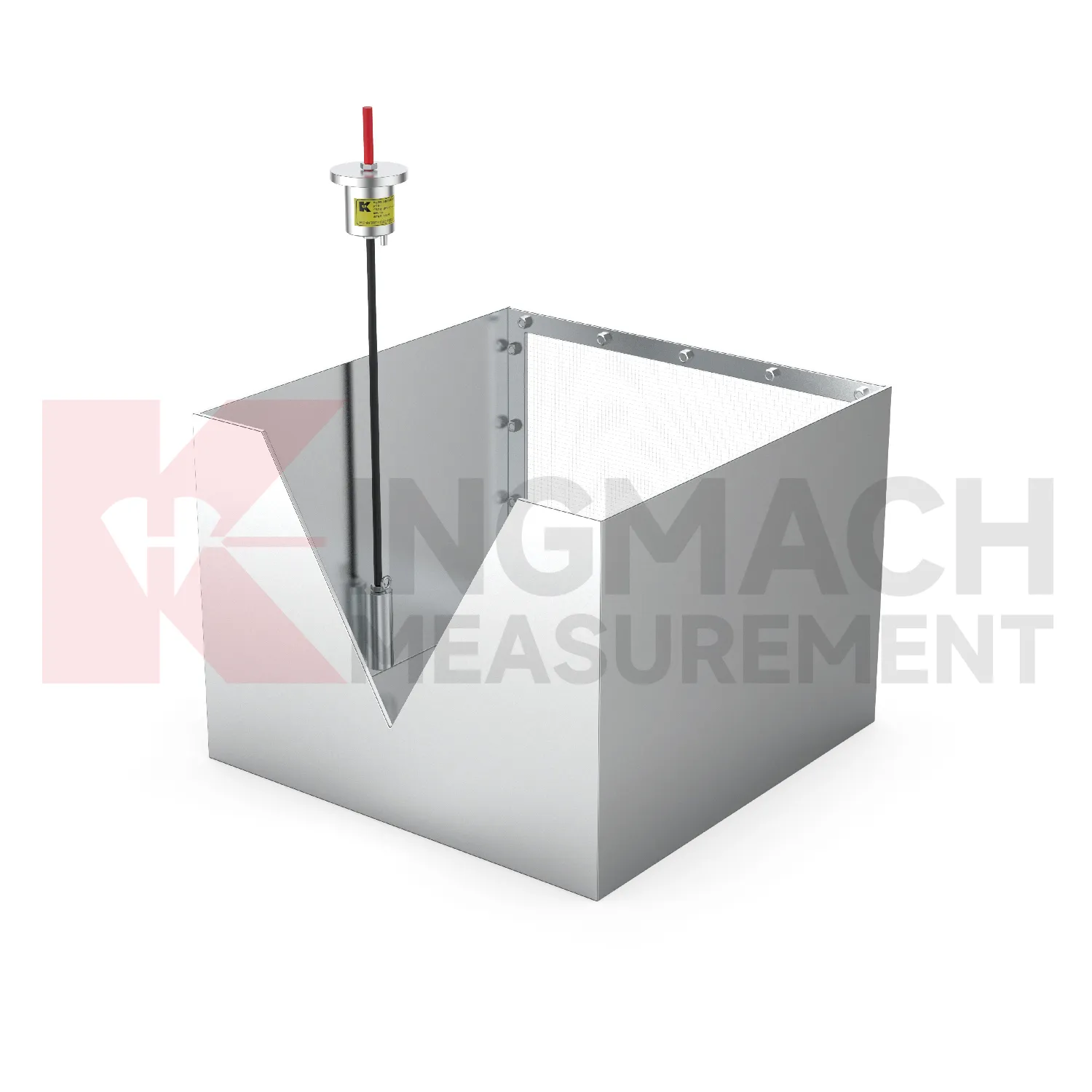
Application of weir flow meter China
Water supply and treatment facilities can use Kingmach weir flow meter China to monitor flow through open channels, process by-pass points, or controlled discharge sections. The goal may be operating balance, inflow observation, outflow checking, or maintenance verification. The record becomes useful when it is tied to pump status, valve or gate operation, cleaning schedules, rainfall, and process events. A flow point should be placed where the water condition is stable enough to represent the channel. If foam, sediment, turbulence, or downstream water affects the control section, the data should be reviewed carefully. Good flow monitoring helps operators compare actual water movement with the expected operating state and quickly notice conditions that need field checking. In treatment work, timing matters because process changes, cleaning cycles, storm inflow, and maintenance by-pass events can all alter channel behavior. A dated record helps staff explain why flow changed and whether the change matched plant activity. It can also support handover between shifts, because the next operator sees not only the curve but the event that shaped it. That makes routine review more disciplined and less dependent on verbal memory. It also helps maintenance staff plan cleaning before reduced conveyance affects routine operation. across different work shifts.
The future of weir flow meter China
Water-related risk review will shape future Kingmach weir flow meter China. In slopes, dams, tunnels, and drainage systems, flow changes can be early evidence of a changing water path. Future monitoring should compare flow with seepage, pore pressure, rainfall, settlement, displacement, and inspection notes where those records exist. A flow rise alone may not mean danger, but a flow rise with movement or seepage change deserves attention. A flow drop can also matter if it suggests blockage or a changed drainage path. Future reporting should help teams see these combinations quickly. Risk review needs clear grouping of related records. Engineers should be able to see whether flow changed before, after, or at the same time as rainfall, pressure, or movement. That timing can guide the next field check and help avoid overreacting to a single isolated value. A practical report should make relationships visible without hiding the need for professional judgment. Carefully.
Care & Maintenance of weir flow meter China
Water head measurement for Kingmach weir flow meter China needs a stable reference. If the head location is disturbed by turbulence, air bubbles, sediment, trapped debris, or local backwater, the calculated flow behavior may no longer represent the channel. Inspect the sensing area and confirm that the water surface is calm enough for the intended measurement. The reference point should be documented in drawings and photographs. If maintenance changes the weir, channel wall, or sensing position, the record should say so. A stable reference protects long-term comparability, especially when operators compare present flow with past events. Maintenance staff should avoid moving brackets, tubes, labels, or reference marks without updating the file. Even a small field change can confuse later review if it is not recorded. After any adjustment, the first stable reading should be saved with a note about site condition, weather, and visible channel behavior. This keeps future flow interpretation tied to a known physical point.
Kingmach weir flow meter China
Kingmach weir flow meter China supports projects where small water level changes need to be converted into meaningful flow information. In a weir structure, a slight rise or fall in water head can represent a real change in discharge. That is why the measurement point must be stable, clean, and tied to the correct hydraulic geometry. The record becomes stronger when water level, channel condition, rainfall, pump operation, gate activity, and inspection notes are reviewed together. A flow curve by itself may show an increase, but the site record explains whether that increase came from stormwater, controlled discharge, blockage, leakage, or upstream operation. This kind of interpretation is important for operators who must act on the data. They need to know whether a change is normal, whether a channel needs cleaning, or whether another instrument record should be checked. A clear flow history turns small water-head movement into a practical operating signal instead of an isolated reading.
FAQ
Q: What site conditions affect flow readings?
A: Sediment, debris, turbulence, backwater, algae, damaged crest edges, poor approach flow, and changed channel geometry can all affect the record.
Q: Why is cleaning important?
A: Cleaning keeps the control section clear so the water head record continues to represent the intended flow relationship.
Q: How should abnormal flow changes be reviewed?
A: Check rainfall, upstream operation, downstream condition, cleaning history, enclosure status, and field inspection notes before drawing conclusions.
Q: Can flow monitoring be remote?
A: Yes. Remote monitoring is useful when continuous records are needed or when the site is difficult to access during storms or operation.
Q: What should be recorded at installation?
A: Record channel location, flow direction, weir condition, water head reference, cable route, enclosure position, cleaning access, and first stable reading. The strongest flow reports are written around decisions. They show whether to keep observing, clean the channel, inspect upstream conditions, check downstream backwater, or compare the point with another water-level or rainfall record.
Reviews
David Wilson
We purchased displacement transducers and settlement sensors, and the quality exceeded our expectations. Easy installation and reliable performance.
Ryan Lewis
Fast delivery and excellent product quality. The accelerometers and tiltmeters are highly reliable. Strongly recommend this company.
Latest Inquiries
To protect the privacy of our buyers, only public service email domains like Gmail, Yahoo, and MSN will be displayed. Additionally, only a limited portion of the inquiry content will be shown.
Evelyn***@gmail.comSouth Africa
Hi, we are a contractor working on tunnel construction and need settlement sensors and displacement ...
Charlotte***@gmail.comUnited Arab Emirates
Hi, we require instrumentation cables suitable for harsh environments. Could you advise on specifica...