
 EN
EN
 ar
ar bg
bg hr
hr cs
cs da
da nl
nl fi
fi fr
fr de
de el
el hi
hi it
it ko
ko no
no pl
pl pt
pt ro
ro ru
ru es
es sv
sv tl
tl iw
iw id
id lv
lv lt
lt sr
sr sk
sk sl
sl uk
uk vi
vi et
et hu
hu th
th tr
tr fa
fa ms
ms hy
hy ka
ka ur
ur bn
bn mn
mn ta
ta kk
kk uz
uz ku
ku
weir flow meter Domestic Manufacturing
Kingmach weir flow meter Domestic Manufacturing turns a small water level change into a usable flow trend. Many water projects do not need only a single discharge value; they need to know whether flow is rising, falling, delayed after rainfall, reduced after sediment build-up, or affected by upstream operation. The weir point gives a control section, while the water head record gives the time-based signal. Engineers can then compare flow with rainfall, gate operation, pump status, drainage reports, seepage observation, or field inspection. This makes the record useful for operation and diagnosis. A flow increase during rain may be expected, but a flow increase during dry conditions may need attention. A slow decline may point to blockage or changed channel conditions. The product information can make these review paths clear without presenting the meter as a standalone device. The field record should explain the water path, the condition before the reading changed, the inspection access, and whether nearby operations or weather events affected the channel. This keeps the flow curve connected to real site behavior rather than leaving it as an isolated number. A practical review also checks whether the measuring section remained clean and hydraulically stable. Sediment, debris, vegetation, downstream backwater, or a disturbed approach can change the meaning of the same water-head reading, so those conditions belong in the project notes.
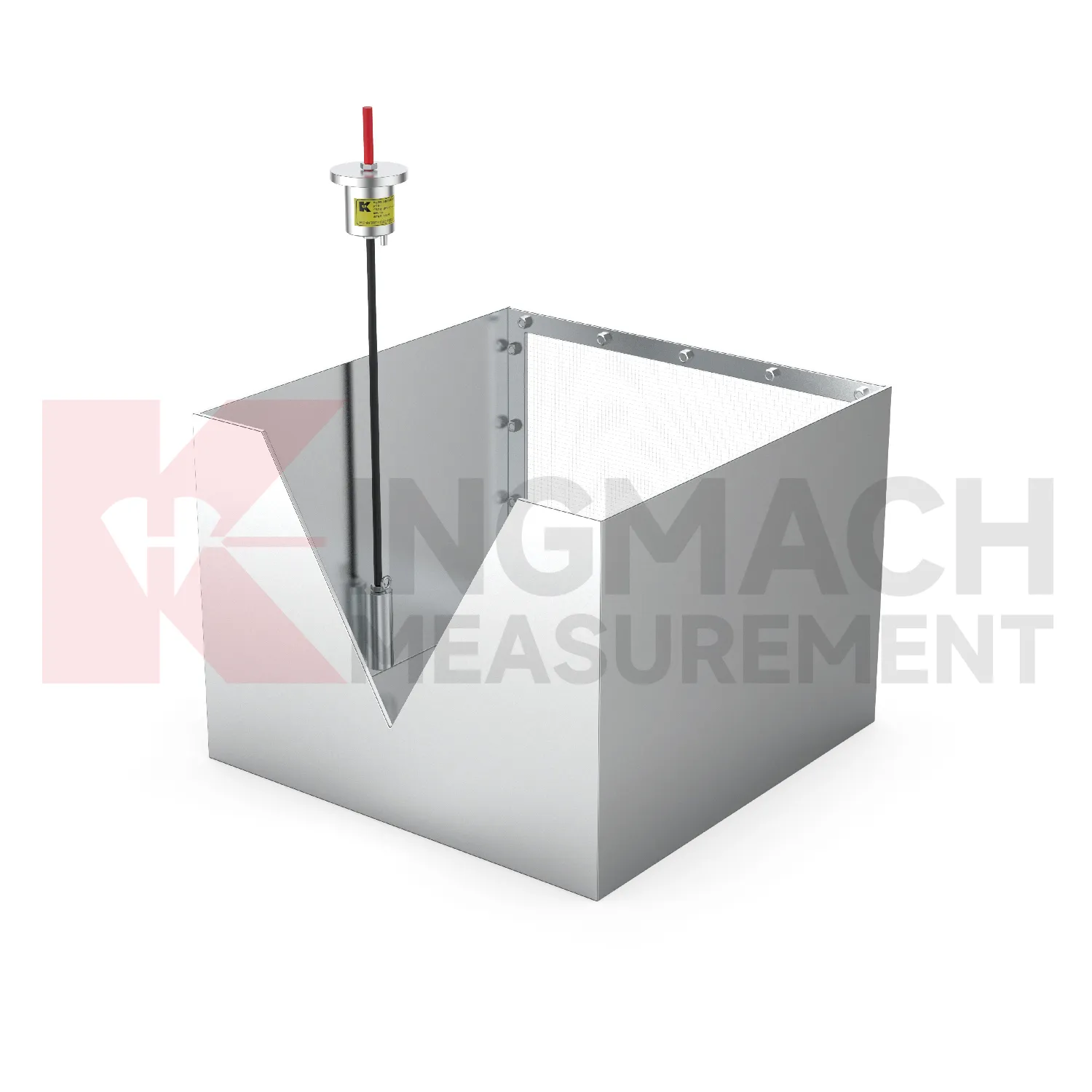
Application of weir flow meter Domestic Manufacturing
Drainage systems use Kingmach weir flow meter Domestic Manufacturing to understand how water leaves a site during routine conditions and storm events. In urban drainage, construction drainage, tunnel drainage, and industrial outfalls, operators often need to know whether flow is increasing, delayed, reduced, or blocked. A weir-based record can help compare rainfall timing with discharge timing. If rain stops but flow remains high, the system may be draining stored water. If rainfall is heavy but flow is lower than expected, blockage, sediment, pump operation, or downstream backwater may need inspection. The monitoring point should be installed where it represents the drainage channel, not where turbulence or local obstruction dominates. A clear drainage record supports maintenance scheduling and post-storm review. It can also help teams document what happened during a specific rain event without relying on memory. The report should connect the curve with rainfall time, cleaning work, pump changes, outlet condition, and any temporary diversion. That makes it easier to decide whether the drainage network behaved normally, whether capacity is being lost, or whether a local restriction needs field attention before the next storm. The same record can guide cleaning intervals and help justify drainage improvements when repeated restrictions appear. before problems escalate further.
The future of weir flow meter Domestic Manufacturing
Water-related risk review will shape future Kingmach weir flow meter Domestic Manufacturing. In slopes, dams, tunnels, and drainage systems, flow changes can be early evidence of a changing water path. Future monitoring should compare flow with seepage, pore pressure, rainfall, settlement, displacement, and inspection notes where those records exist. A flow rise alone may not mean danger, but a flow rise with movement or seepage change deserves attention. A flow drop can also matter if it suggests blockage or a changed drainage path. Future reporting should help teams see these combinations quickly. Risk review needs clear grouping of related records. Engineers should be able to see whether flow changed before, after, or at the same time as rainfall, pressure, or movement. That timing can guide the next field check and help avoid overreacting to a single isolated value. A practical report should make relationships visible without hiding the need for professional judgment. Carefully.
Care & Maintenance of weir flow meter Domestic Manufacturing
Data review is part of maintaining Kingmach weir flow meter Domestic Manufacturing. Look for flatlines, impossible jumps, gradual drift, repeated storm response, missing intervals, and flow changes that do not match rainfall or operation. If a flow curve changes, check channel condition, cleaning history, upstream activity, downstream backwater, and enclosure health. A good review does not treat every abnormal curve as a water event. It first asks whether the measuring point remained physically healthy. This habit reduces false concern and helps the team respond faster when the flow change is real. Review work should be scheduled, not left only for emergencies. A weekly or monthly check can find small data gaps, weak communication, or gradual hydraulic change before they become reporting problems. When a reviewer marks a period as doubtful, the reason should be written clearly so later users know how to treat that section of history. without guessing later. in future reports.
Kingmach weir flow meter Domestic Manufacturing
A strong Kingmach weir flow meter Domestic Manufacturing record supports more than one team. Designers may care about hydraulic behavior, operators may care about regulation, maintenance staff may care about debris and cleaning, and owners may care about water accounting and risk. The record is easier to use when it states where the water passes, how the head is read, what can disturb the flow, and how the data supports decisions. Avoiding product and parameter lists makes the message clearer. The buyer needs to understand how the measurement will work in the channel, not memorize a specification table. A weir point also needs safe routine access. If staff cannot reach the crest, enclosure, or sensing area during wet weather, the project may collect data but struggle to maintain confidence in it when the record is most important. Designers, operators, maintenance staff, and owners may read the same curve, so the record needs clear site conditions, inspection notes, and action history in plain engineering language.
FAQ
Q: What site conditions affect flow readings?
A: Sediment, debris, turbulence, backwater, algae, damaged crest edges, poor approach flow, and changed channel geometry can all affect the record.
Q: Why is cleaning important?
A: Cleaning keeps the control section clear so the water head record continues to represent the intended flow relationship.
Q: How should abnormal flow changes be reviewed?
A: Check rainfall, upstream operation, downstream condition, cleaning history, enclosure status, and field inspection notes before drawing conclusions.
Q: Can flow monitoring be remote?
A: Yes. Remote monitoring is useful when continuous records are needed or when the site is difficult to access during storms or operation.
Q: What should be recorded at installation?
A: Record channel location, flow direction, weir condition, water head reference, cable route, enclosure position, cleaning access, and first stable reading. The strongest flow reports are written around decisions. They show whether to keep observing, clean the channel, inspect upstream conditions, check downstream backwater, or compare the point with another water-level or rainfall record.
Reviews
Andrew Lee
The visualization software is intuitive and powerful. It helps us analyze monitoring data efficiently.
James Thompson
The tiltmeters and accelerometers are very sensitive and provide precise data. Perfect for our structural health monitoring system.
Latest Inquiries
To protect the privacy of our buyers, only public service email domains like Gmail, Yahoo, and MSN will be displayed. Additionally, only a limited portion of the inquiry content will be shown.
Harper***@gmail.comIndia
Dear Sir, we are planning to procure a complete monitoring system including strain gauges, tiltmeter...
Amelia***@gmail.comSingapore
Hello, I am looking for visualization software for monitoring system data analysis. Please let me kn...