
 EN
EN
 ar
ar bg
bg hr
hr cs
cs da
da nl
nl fi
fi fr
fr de
de el
el hi
hi it
it ko
ko no
no pl
pl pt
pt ro
ro ru
ru es
es sv
sv tl
tl iw
iw id
id lv
lv lt
lt sr
sr sk
sk sl
sl uk
uk vi
vi et
et hu
hu th
th tr
tr fa
fa ms
ms hy
hy ka
ka ur
ur bn
bn mn
mn ta
ta kk
kk uz
uz ku
ku
weir flow meter Instant
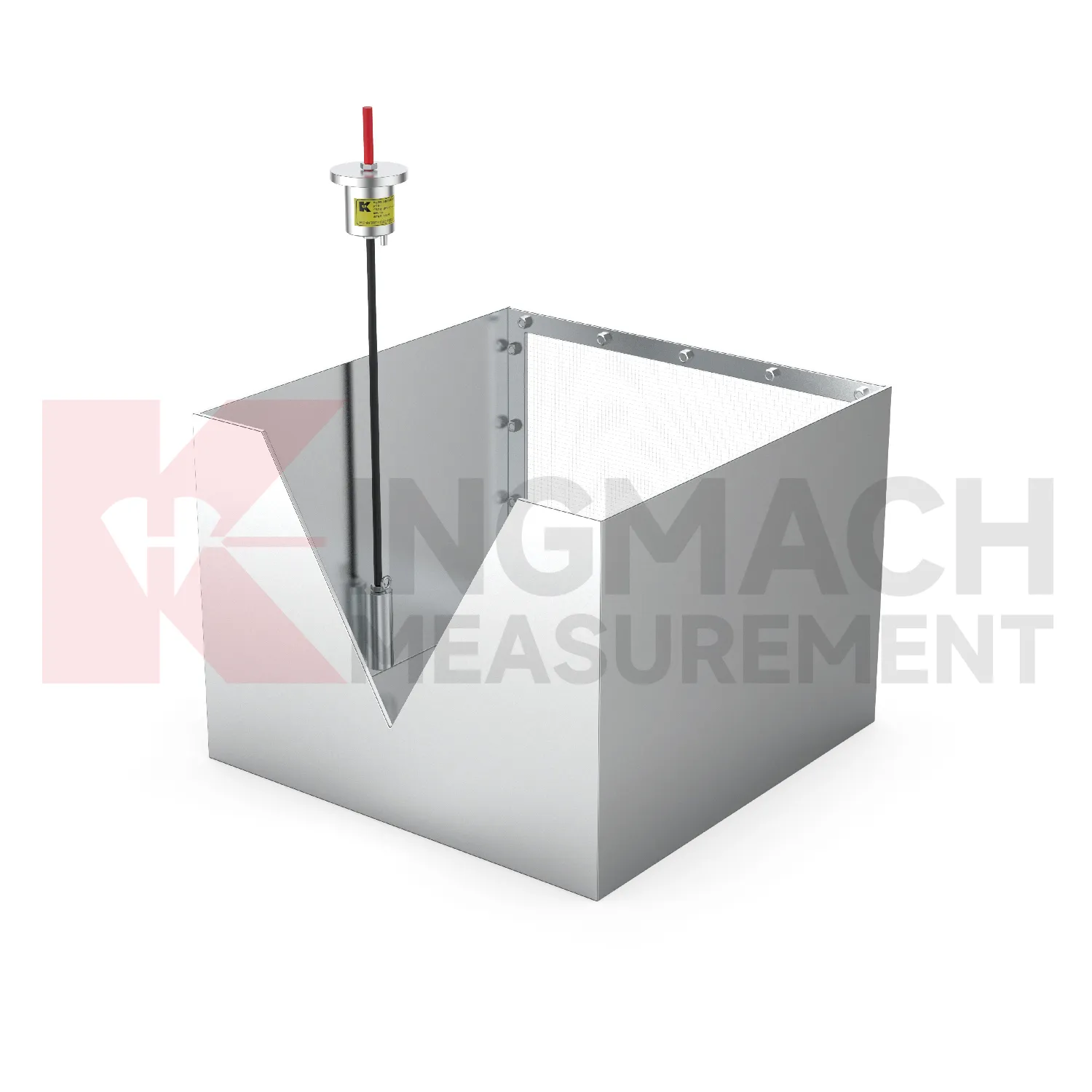
Kingmach weir flow meter Instant turns a small water level change into a usable flow trend. Many water projects do not need only a single discharge value; they need to know whether flow is rising, falling, delayed after rainfall, reduced after sediment build-up, or affected by upstream operation. The weir point gives a control section, while the water head record gives the time-based signal. Engineers can then compare flow with rainfall, gate operation, pump status, drainage reports, seepage observation, or field inspection. This makes the record useful for operation and diagnosis. A flow increase during rain may be expected, but a flow increase during dry conditions may need attention. A slow decline may point to blockage or changed channel conditions. The product information can make these review paths clear without presenting the meter as a standalone device. The field record should explain the water path, the condition before the reading changed, the inspection access, and whether nearby operations or weather events affected the channel. This keeps the flow curve connected to real site behavior rather than leaving it as an isolated number. A practical review also checks whether the measuring section remained clean and hydraulically stable. Sediment, debris, vegetation, downstream backwater, or a disturbed approach can change the meaning of the same water-head reading, so those conditions belong in the project notes.
Application of weir flow meter Instant
Water conservancy projects use Kingmach weir flow meter Instant to observe controlled flow through small structures, channels, test sections, and auxiliary discharge points. The measurement is useful when operators need a continuous record rather than occasional visual checks. A weir point can show how flow changes after rainfall, gate operation, upstream storage variation, or maintenance work. The application should be planned around the water path: approach condition, weir crest, water head reference, downstream influence, and cleaning access. Data should be reviewed with reservoir level, rainfall, gate records, seepage notes, and field inspection. If the flow curve changes suddenly, the team should check both the water condition and the measuring section. This approach helps water conservancy teams use flow monitoring as part of operation, maintenance, and safety review rather than a separate instrument reading. In these projects, the flow point may support canal regulation, spillway observation, auxiliary drainage, or small test structures. The record is strongest when it is linked to the purpose of the channel. Operators can compare the trend with gate timing, upstream water level, and inspection notes, then decide whether the change reflects normal operation, a blockage, or a field condition that needs direct confirmation. This keeps operational review connected to hydraulic reality.
The future of weir flow meter Instant
The future of Kingmach weir flow meter Instant will focus on connecting flow records with the events that drive water movement. Rainfall, gate changes, pumping activity, seepage variation, maintenance cleaning, and upstream operations can all change discharge. Future monitoring platforms should place these events on the same timeline as the flow curve. That will help operators understand whether a flow change is expected or whether the channel needs inspection. The practical gain is faster interpretation, not simply more data. When the flow record includes the cause, the response, and the field action, water managers can make better decisions during storms, maintenance windows, and long-term operation. Event timelines can also reduce confusion between hydraulic change and instrument concern. A rain peak, a pump start, or a planned channel cleaning may explain a curve that otherwise looks abnormal. When the explanation is attached directly to the trend, later reviews become clearer and less dependent on memory.
Care & Maintenance of weir flow meter Instant
Routine inspection of Kingmach weir flow meter Instant should connect field condition with data quality. The inspector should look at the crest, approach channel, downstream condition, sensing area, enclosure, cable route, labels, and recent data trend. If the point is difficult to access safely, that risk should be part of the maintenance plan. The inspection record should be short but specific: what was seen, what was cleaned, what changed, and whether the next reading looked normal. This keeps the flow monitoring point useful through storms, sediment events, construction changes, and long-term operation. Handover records should make the location understandable for the next crew. Site photos, access notes, nearby landmarks, cleaning tools, and known seasonal issues can prevent repeated diagnosis work. When operators change, a clear maintenance note helps preserve continuity, especially at remote channels where small changes in the control section may not be obvious from the office trend alone. Simple maps help too.
Kingmach weir flow meter Instant
On site, Kingmach weir flow meter Instant needs careful hydraulic placement. The approach water should reach the weir smoothly, without unnecessary turbulence or local obstruction. The crest should remain clean and stable. The water head reading should represent the control section rather than a disturbed pocket of water. Cable routes, enclosures, and communication points should be protected from flooding and service work. These field details decide whether the record can be trusted after the first installation day. A good installation note should include channel condition, weir geometry, reference location, flow direction, cleaning access, and the first stable record. The point should also be easy for maintenance staff to recognize months later. Durable labels, simple access notes, and photographs from fixed viewpoints reduce confusion after handover. If the channel is later repaired, cleaned, or reshaped, the note should be updated so future reviewers know why the trend changed. That record protects long-term data quality.
FAQ
Q: What is Kingmach weir flow meter Instant used for?
A: It is used to measure open-channel flow by reading water head at a controlled weir section and turning that change into a repeatable flow record.
Q: Where can it be applied?
A: It can support water conservancy, drainage, irrigation, tunnel discharge, dam drainage, construction runoff, industrial water channels, and water resource management.
Q: Why use a weir for flow monitoring?
A: A weir creates a stable hydraulic control section, making it easier to compare flow behavior over time when the channel is maintained properly.
Q: What makes the record useful?
A: A useful record links flow with site events such as rainfall, gate operation, cleaning, seepage, pump activity, or inspection findings.
Q: Should the meter be treated as a standalone device?
A: No. It should be treated as a measuring point that includes the channel, weir crest, water head reference, data path, and maintenance access. Maintenance teams need a record that tells them where to look. If a curve drops slowly, cleaning and sediment checks may come first. If it rises suddenly during dry conditions, upstream operation or a changed drainage path may deserve attention.
Reviews
Ryan Lewis
Fast delivery and excellent product quality. The accelerometers and tiltmeters are highly reliable. Strongly recommend this company.
Joshua Clark
We ordered a full monitoring solution including sensors and data loggers. Everything works seamlessly together. Great supplier!
Latest Inquiries
To protect the privacy of our buyers, only public service email domains like Gmail, Yahoo, and MSN will be displayed. Additionally, only a limited portion of the inquiry content will be shown.
Charlotte***@gmail.comUnited Arab Emirates
Hi, we require instrumentation cables suitable for harsh environments. Could you advise on specifica...
Olivia***@gmail.comUnited States
Hello, we are currently sourcing high-precision strain gauges and load cells for a bridge monitoring...
Related product categories
- weir flow meter Supplier
- weir flow meter Solution
- weir flow meter System Integration
- weir flow meter Localization
- weir flow meter Domestic Manufacturing
- weir flow meter China
- weir flow meter Factory Price
- weir flow meter Cost effective
- weir flow meter Instant
- weir flow meter custom
- weir flow meter steep discount
- weir flow meter introductory