
 EN
EN
 ar
ar bg
bg hr
hr cs
cs da
da nl
nl fi
fi fr
fr de
de el
el hi
hi it
it ko
ko no
no pl
pl pt
pt ro
ro ru
ru es
es sv
sv tl
tl iw
iw id
id lv
lv lt
lt sr
sr sk
sk sl
sl uk
uk vi
vi et
et hu
hu th
th tr
tr fa
fa ms
ms hy
hy ka
ka ur
ur bn
bn mn
mn ta
ta kk
kk uz
uz ku
ku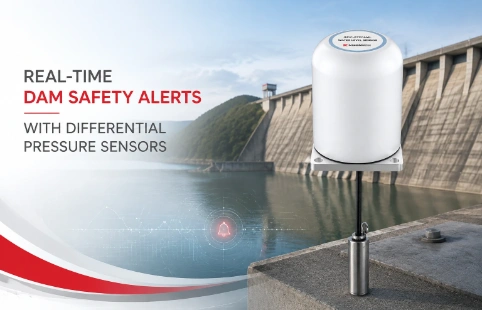
Real-Time Dam Safety Alerts with Differential Pressure Water Level Sensors
Key Takeaways An alert chain needs more than a sensor: define field in...

Data Transfer Unit (DTU) for Field Monitoring
Moving data from scattered field sensors to a central server is rarely straightforward. Cables get damaged, cellular coverage is patchy, and protocols don't always match. Kingmach’s Data Transfer Unit (DTU) addresses these problems by acting as a communication bridge between your monitoring instruments and the cloud. It handles the messy details of data collection, buffering, and transmission, so you can focus on analyzing trends rather than chasing connection failures. Common use cases include slope stability monitoring, dam instrumentation, and tunnel construction where instruments like inclinometers, piezometers, and crack meters need to talk to a single gateway. The unit supports multiple radio options and can be configured to forward data via MQTT, HTTP, or raw TCP. If your project already uses a specific SCADA or data platform, the DTU can be set up to push readings in the required format. This is a piece of hardware designed for long-term outdoor installation, with a wide operating temperature range and protection against moisture and dust.
Technical Detail
Kingmach Measurement & Monitoring Technology Co., Ltd. builds the DTU with real-world field conditions in mind. The enclosure is rated IP65 or higher and can handle temperature swings from -30°C to 70°C without affecting performance. Inside, the mainboard provides multiple physical interfaces: two RS485 ports, one RS232 port, and a couple of analog inputs for sensors that output 4–20 mA or 0–5 V signals. That means you can connect a string of digital sensors on the RS485 bus, an old total station on RS232, and a vibrating wire pressure transducer through an analog channel all at once. Power can come from a 12 V battery, a solar panel setup, or a DC adapter, with typical consumption staying under 2 W in transmit mode. For wireless backhaul, the unit can be ordered with a 4G LTE module, an NB-IoT radio, or a LoRa transceiver, depending on how far the gateway sits from the nearest tower and how often you need to report. Kingmach pre-loads common geotechnical instrument protocols—like those from GEOKON, RST Instruments, and Sisgeo—so the DTU recognizes the data frames automatically and parses them into engineering units before forwarding. If your fleet includes instruments from other manufacturers, the firmware can be customized to parse their data formats. The DTU also stores up to 128 MB of readings locally, which is enough to hold a month of 15-minute data from a large sensor array in case of network outages. When the connection is restored, it backfills the missed intervals to the server. Kingmach offers the DTU as part of a wider geotechnical monitoring package. Because the company specializes in instruments like in-place inclinometers, magnetic extensometers, and load cells, the DTU is configured from the factory to work seamlessly with those devices. You don’t need to debug address conflicts or baud rate mismatches yourself. For large infrastructure projects, Kingmach can also pre-wire the DTU with connectors that match the instrument cables, cutting installation time on site. Technical support engineers are available to assist with server-side integration, whether you use open-source tools like ThingsBoard or commercial platforms such as sensemetrics or Kentix. The unit can be configured remotely over the air, so firmware updates and communication parameter changes don’t require a site visit.
News
Key Takeaways An alert chain needs more than a sensor: define field in...
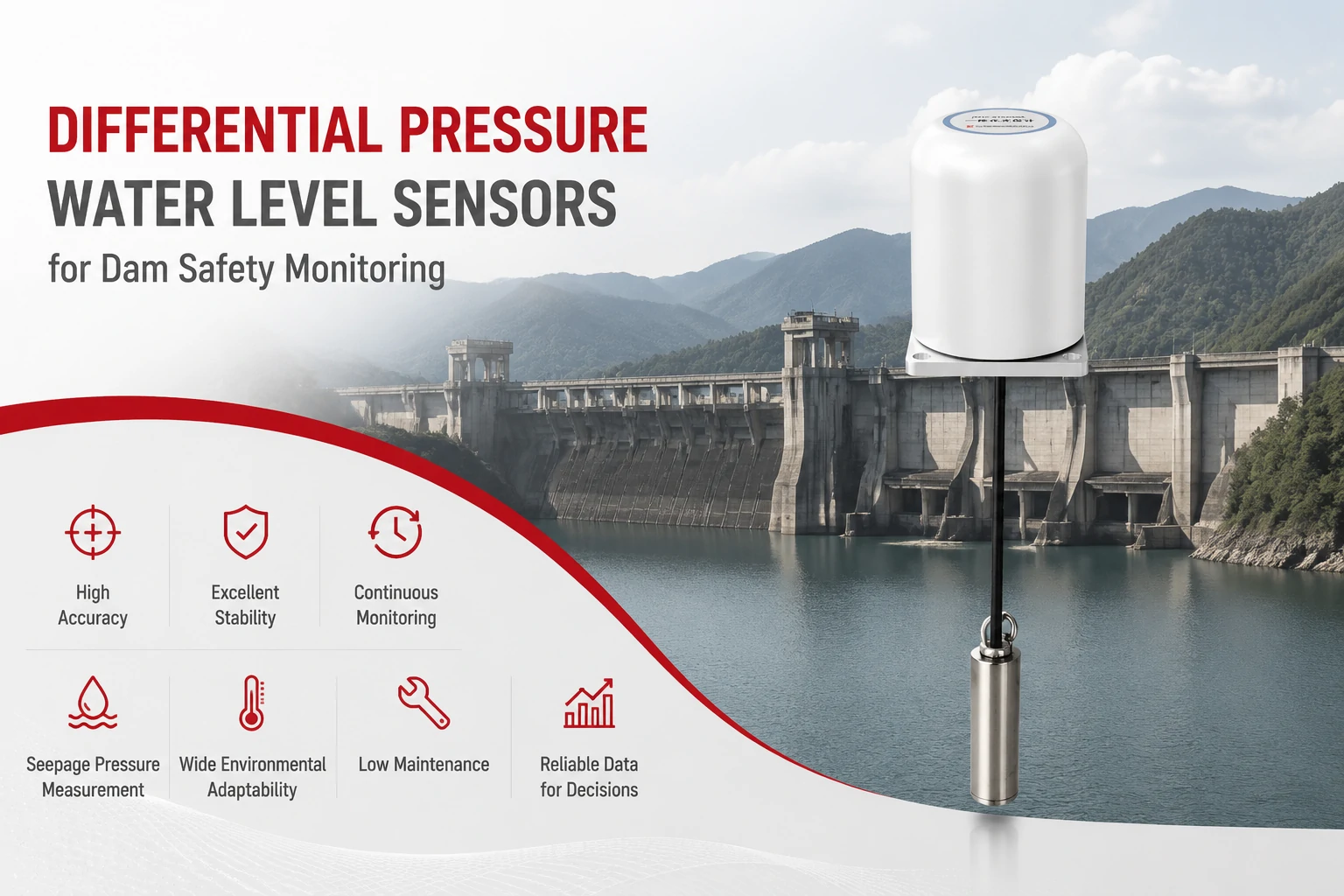
Key Takeaways The strongest fit is usually a confined, submerged, or s...
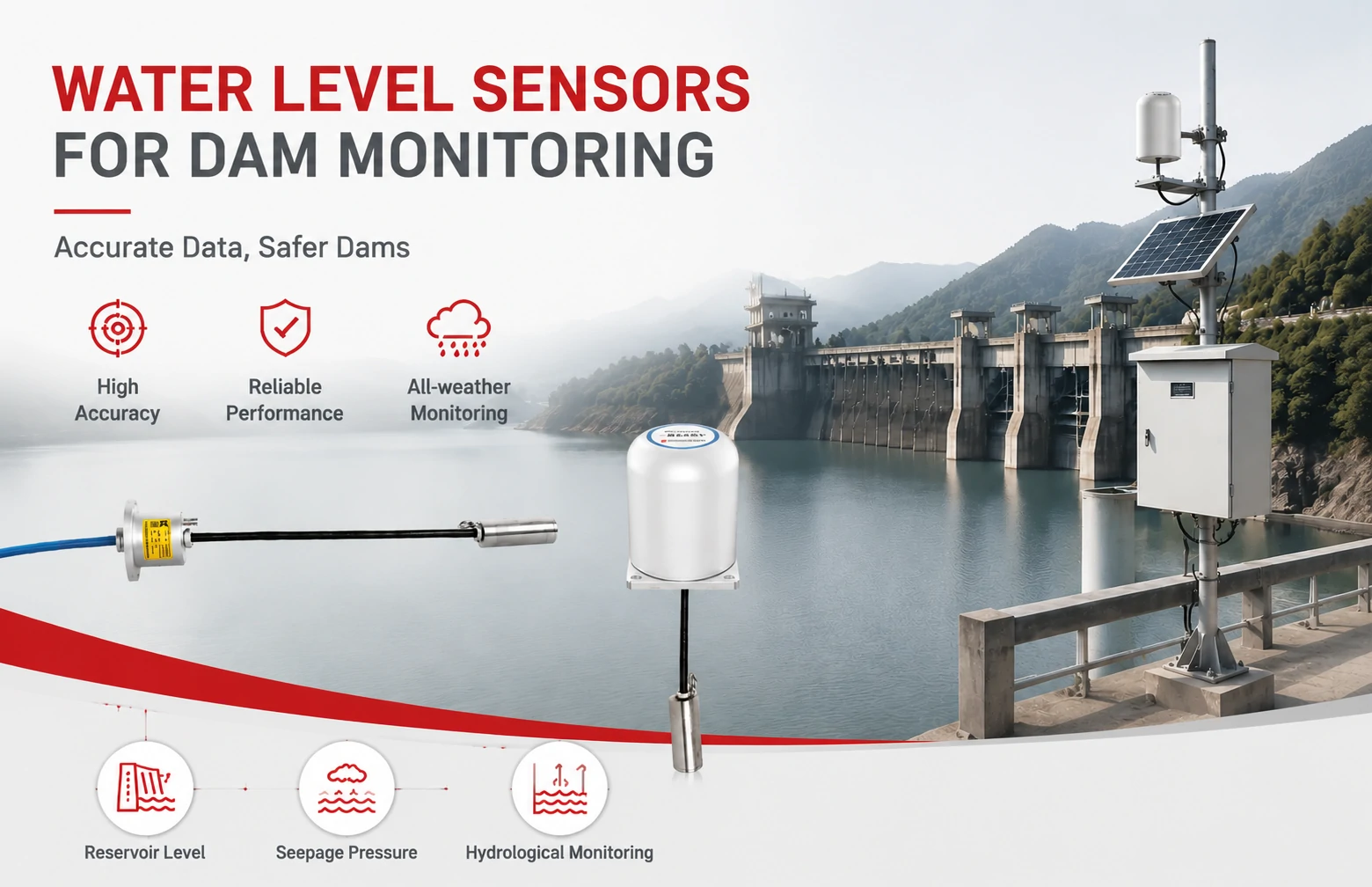
Kingmach Water Level Sensors for Dam Monitoring: A Buyer's Guide to Differential Pre...
Products
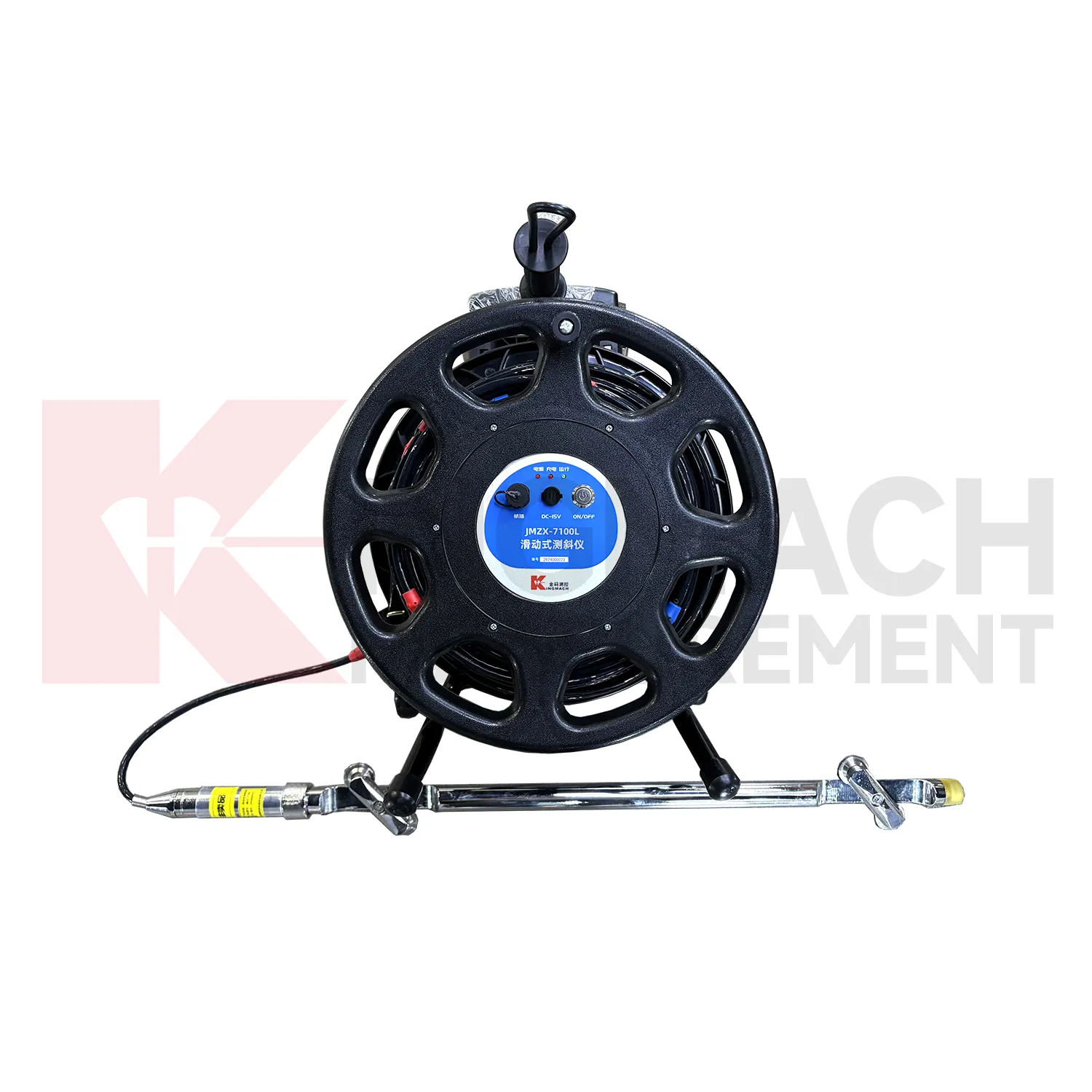
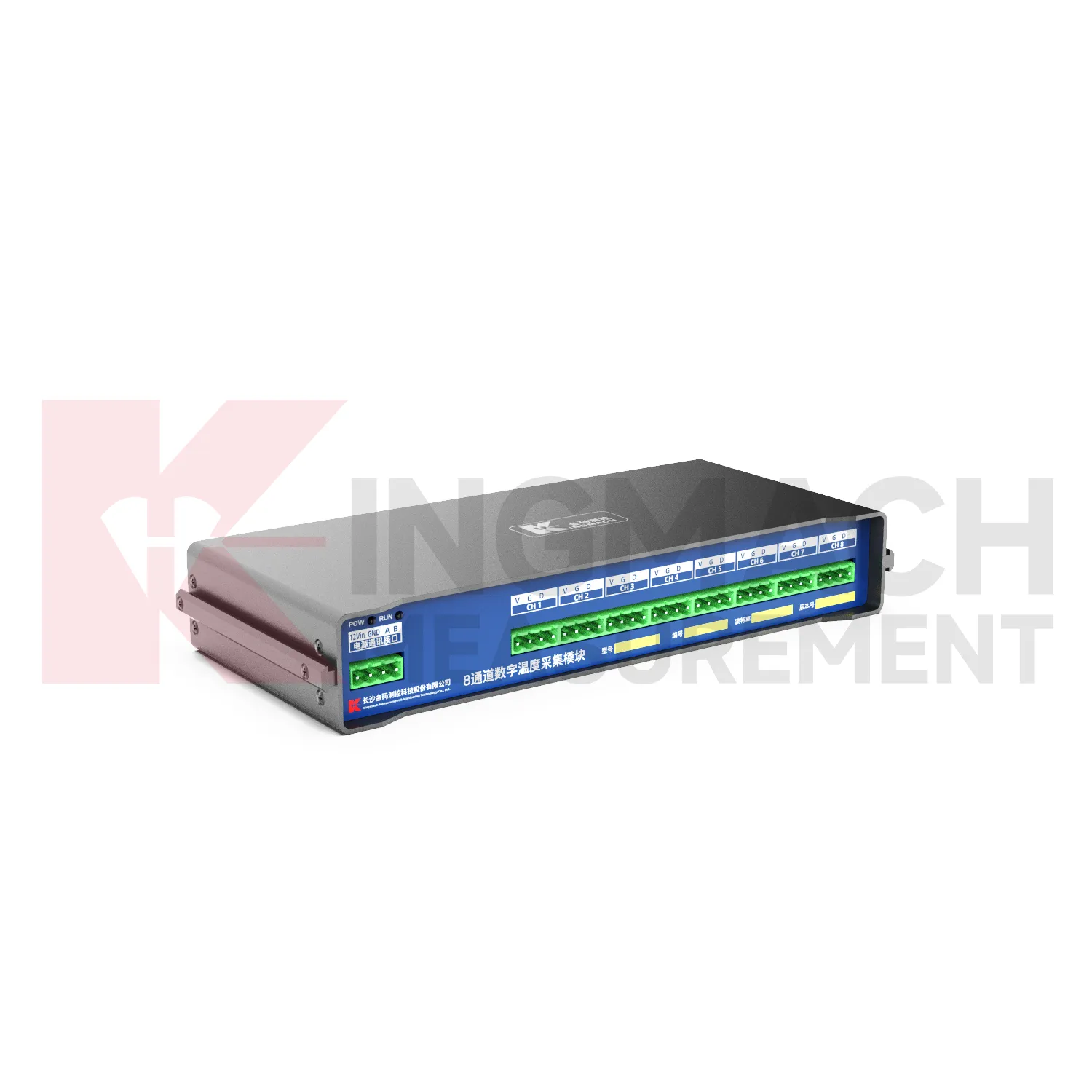
8-Channel Digital Temperature Acquisition ModuleJMWT-8DTH
View Details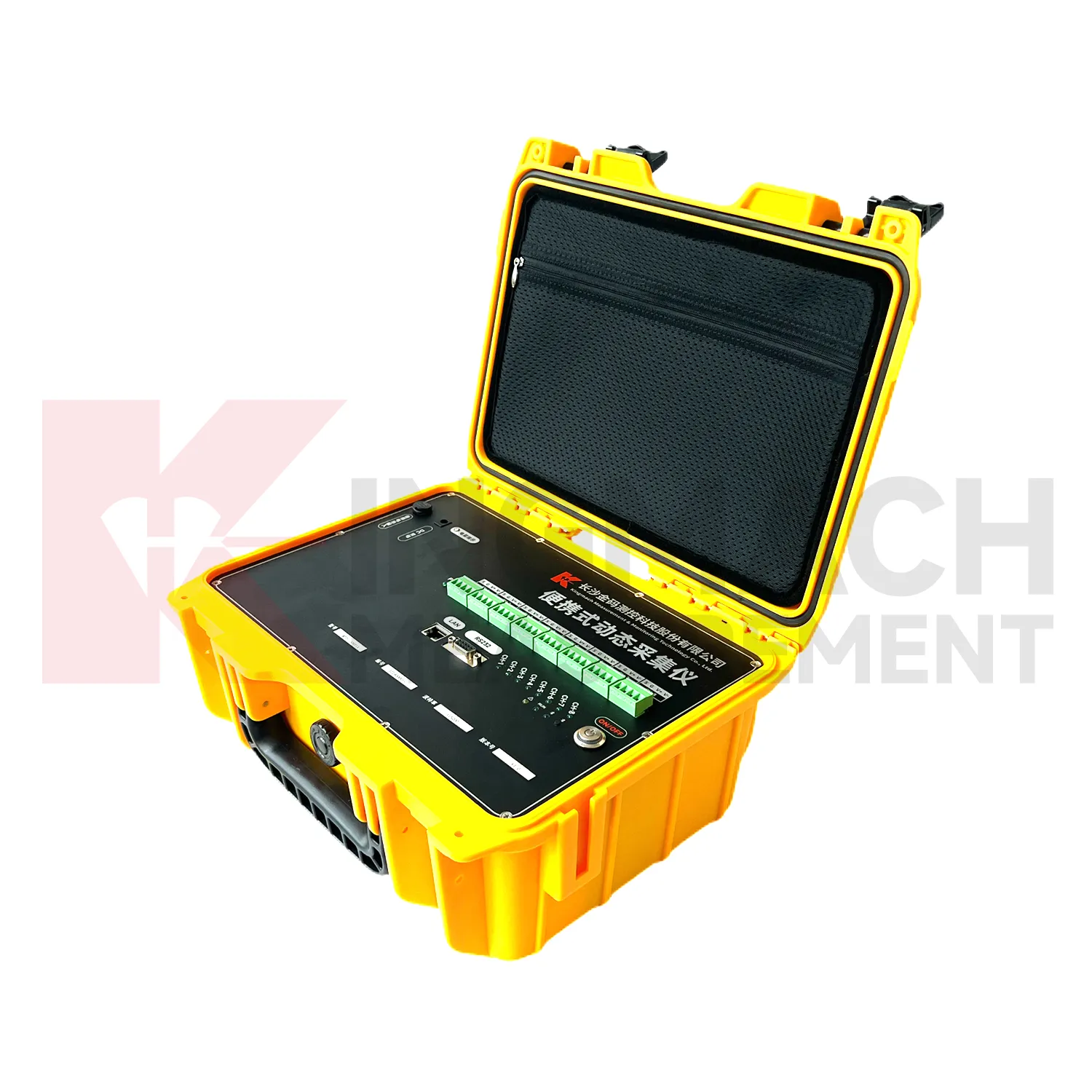
Portable Dynamic Signal Acquisition Readout JMYS-1008BX
View DetailsFAQ
Yes. The DTU has multiple ports and can handle different protocols concurrently. For example, you might have an RS485 chain of GEOKON vibrating wire sensors and a single RS232-connected MEMS tiltmeter. The firmware can be adjusted to parse the data streams from each device type.
It stores readings onboard in non-volatile memory. Once the connection is back, it sends the stored packets to the server. The buffer holds up to 128 MB, so even a multi-day outage with hundreds of sensors usually won’t cause data loss.
The slot accepts a standard mini-SIM. The module supports most global LTE bands, but you’d need to check the specific frequency bands used in your country. Kingmach can supply the unit with a regional module upon request.
The DTU reports its supply voltage as part of the regular data transmission. You can set up an alert in your monitoring software to notify you when the voltage drops below a threshold, so you can schedule a battery swap before the unit shuts down.
In most cases, yes. The payload format is configurable. Kingmach’s support team can work with your platform’s API documentation to adjust the JSON template the DTU sends. This is a common customization for larger projects.
Share your product type, target capacity, and application requirements. Our team can review the details and recommend a practical next step.
If you are interested in our products or want to become our partner.
Please leave your contact information, our team will contact you as soon as possible.
Mail: [email protected]
Contact Us: +8613808434127
Address: No. 188 Tongzipo West Rd, Changsha, Hunan, China