
 EN
EN
 ar
ar bg
bg hr
hr cs
cs da
da nl
nl fi
fi fr
fr de
de el
el hi
hi it
it ko
ko no
no pl
pl pt
pt ro
ro ru
ru es
es sv
sv tl
tl iw
iw id
id lv
lv lt
lt sr
sr sk
sk sl
sl uk
uk vi
vi et
et hu
hu th
th tr
tr fa
fa ms
ms hy
hy ka
ka ur
ur bn
bn mn
mn ta
ta kk
kk uz
uz ku
ku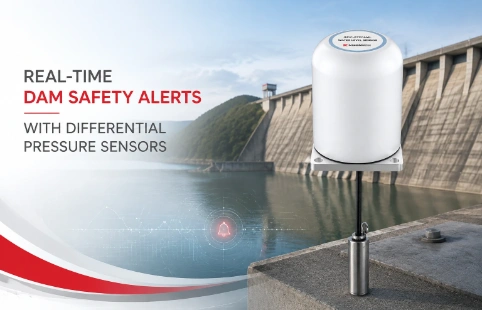
Real-Time Dam Safety Alerts with Differential Pressure Water Level Sensors
Key Takeaways An alert chain needs more than a sensor: define field in...

Dynamic Signal Conditioning Module for Geotechnical Monitoring
Getting clean, stable readings from a string of vibrating wire piezometers or a set of strain gauges buried in a dam isn’t just about the sensor. The step between the sensor and your data logger is where things often get messy. A dynamic signal conditioning module has to handle low-level outputs, long cable runs, and field conditions that change by the hour. At Kingmach, we’ve spent years working with engineers who need that middle step to disappear—to just give them trustworthy numbers without constant tweaking. Our module lineup grew out of real project demands: a tunnel lining job that needed per-channel configurability, a bridge health assessment that couldn’t afford drift, a pile test where excitation voltage had to ramp on the fly. This kind of background means our dynamic signal conditioning modules aren’t generic boxes; they’re built around the signal types and environmental headaches geotechnical monitoring throws at you.
Technical Detail
Signal conditioning for dynamic measurements isn’t just about gain and bandwidth. You’re often mixing sensor types—vibrating wire, strain gauge, thermistor, load cell—and each one needs different excitation and filtering. Kingmach’s approach has been to pack that flexibility into a module that won’t slow down with frequent reconnections or temperature swings. Most of our modules offer per-channel programmable gain up to 1000, selectable low-pass filtering with cutoff points from 10 Hz to several kHz, and bridge completion for quarter, half, and full-bridge configurations. Excitation sources are software-selectable, typically providing 0–10 V or 0–20 mA outputs, with optional current source for vibrating wire sensors. We’ve seen too many field setups where a module that looks fine on a bench starts drifting after a humidity spike, so we put extra effort into the analog front end—low offset drift, high common-mode rejection, and thoughtful input protection. Because Kingmach is, at its core, a geotechnical instrument manufacturer, these modules are designed to plug into a wider monitoring ecosystem. You can order them with weatherproof enclosures, long-distance communication interfaces, or pre-wired for specific logger brands. And if your project requires a non-standard excitation voltage or a custom sensor interface, that’s a conversation our engineering team has regularly—not an exotic special request. Global distribution and local technical support mean that when a module needs troubleshooting at a site halfway around the world, the process is straightforward.
News
Key Takeaways An alert chain needs more than a sensor: define field in...
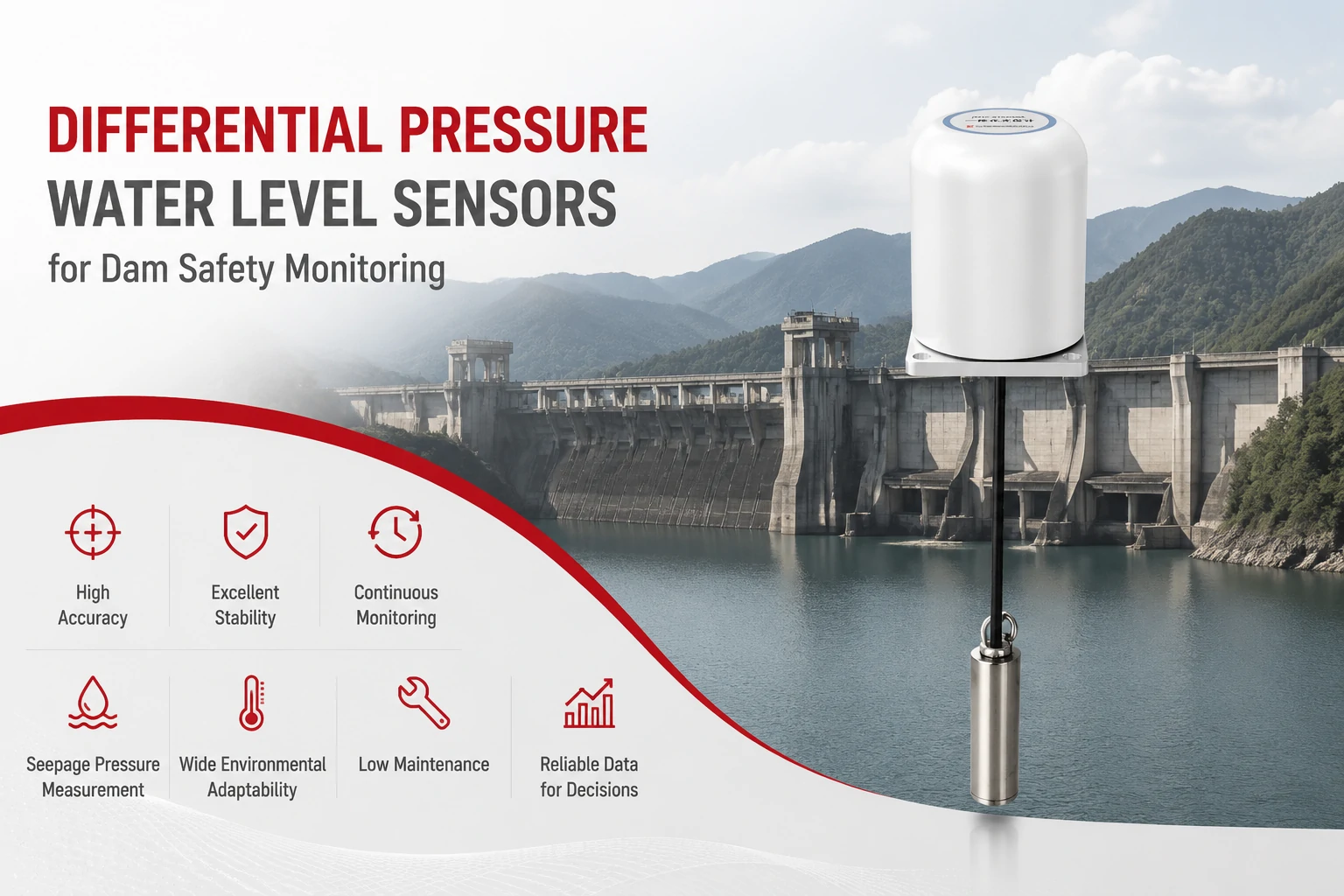
Key Takeaways The strongest fit is usually a confined, submerged, or s...
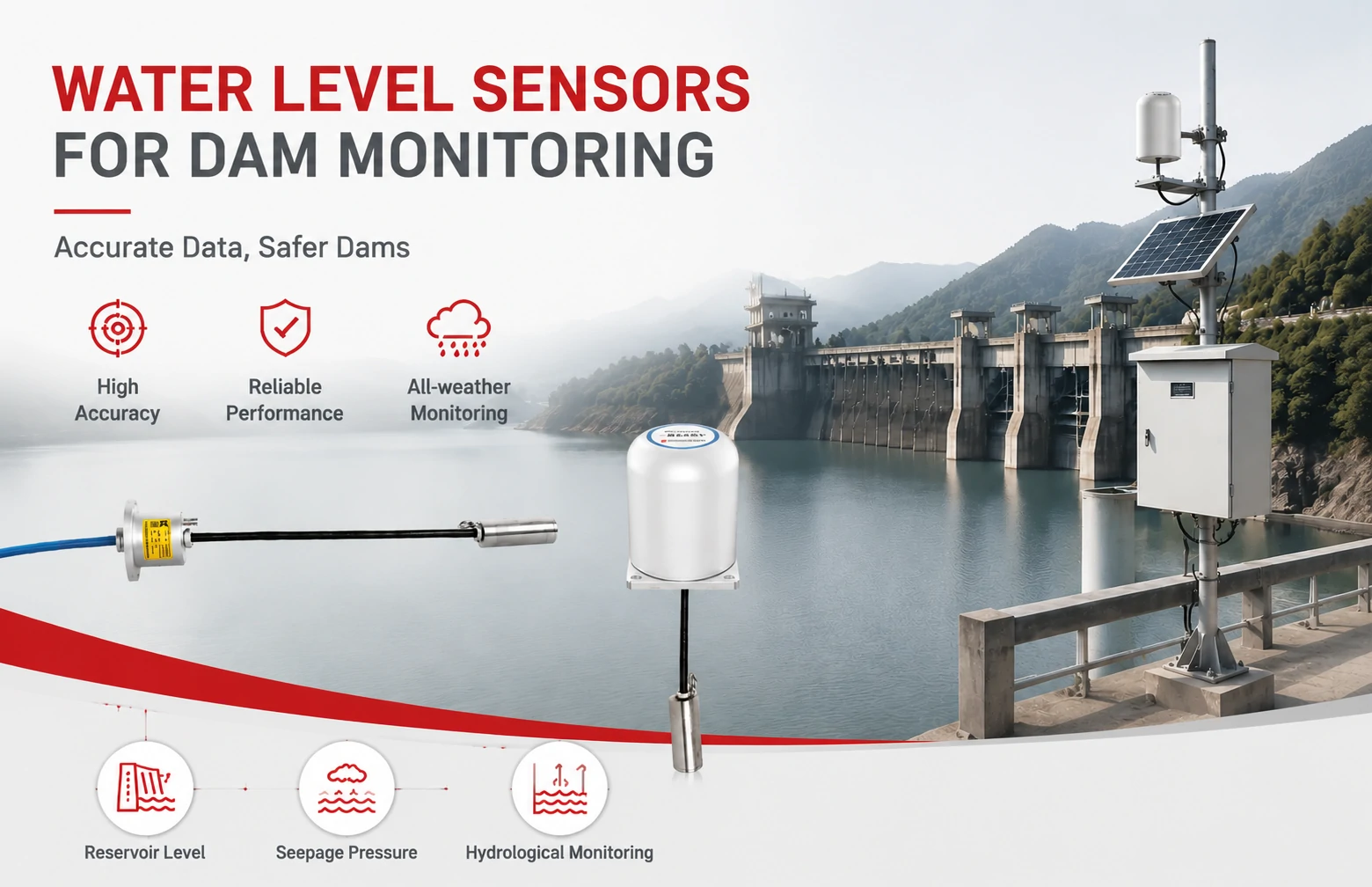
Kingmach Water Level Sensors for Dam Monitoring: A Buyer's Guide to Differential Pre...
Products
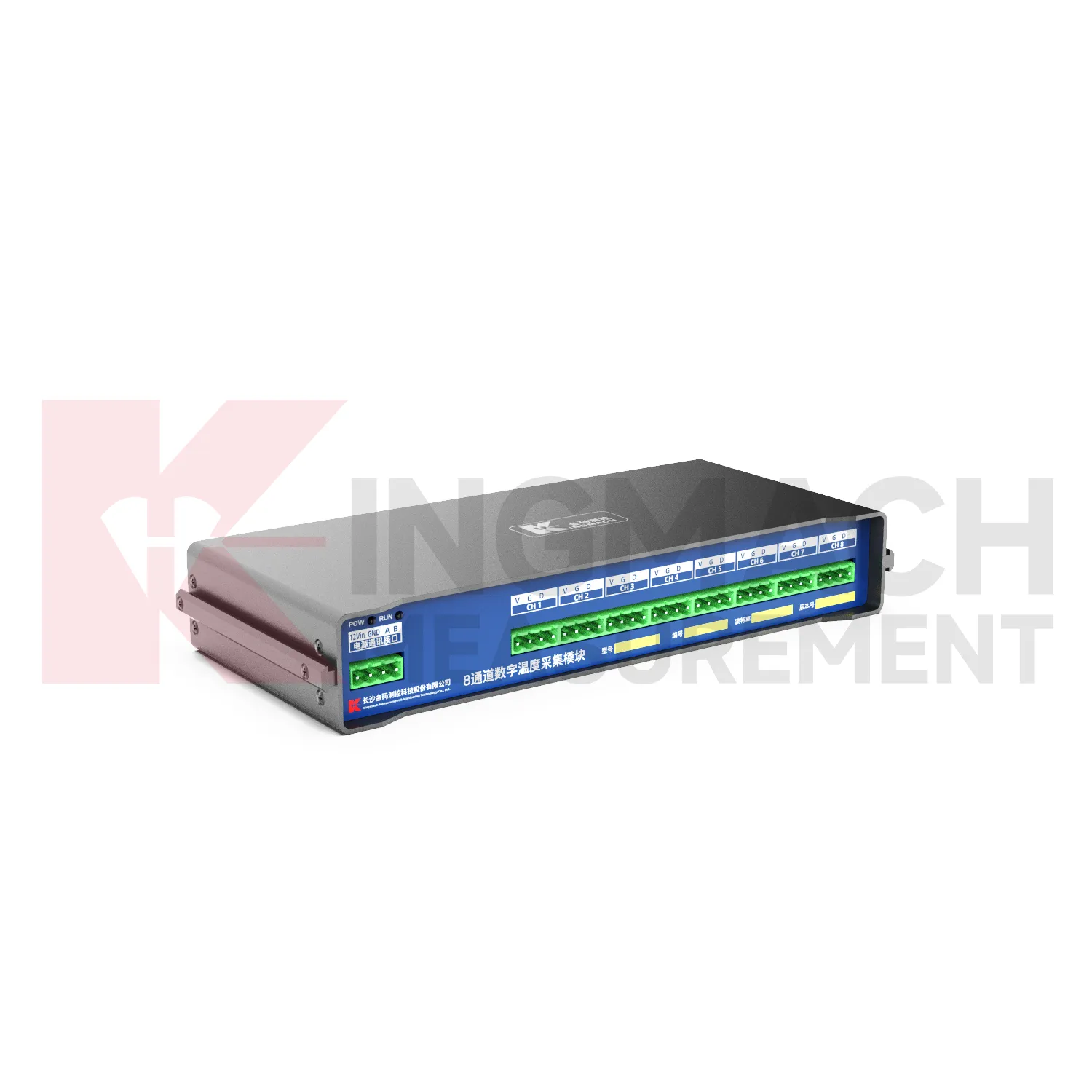
8-Channel Digital Temperature Acquisition ModuleJMWT-8DTH
View Details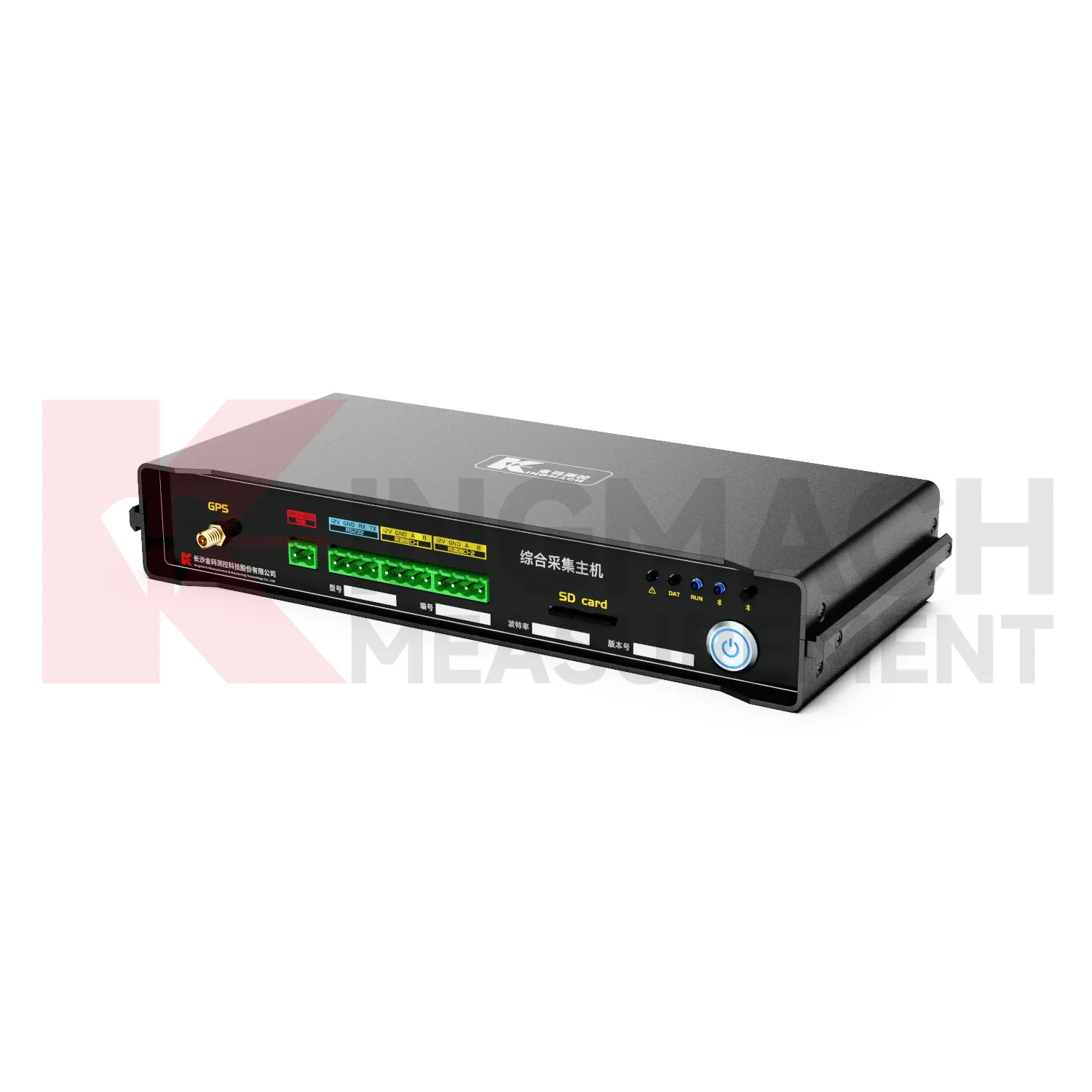
Comprehensive Acquisition Host Unit JMZX-5ZH
View Details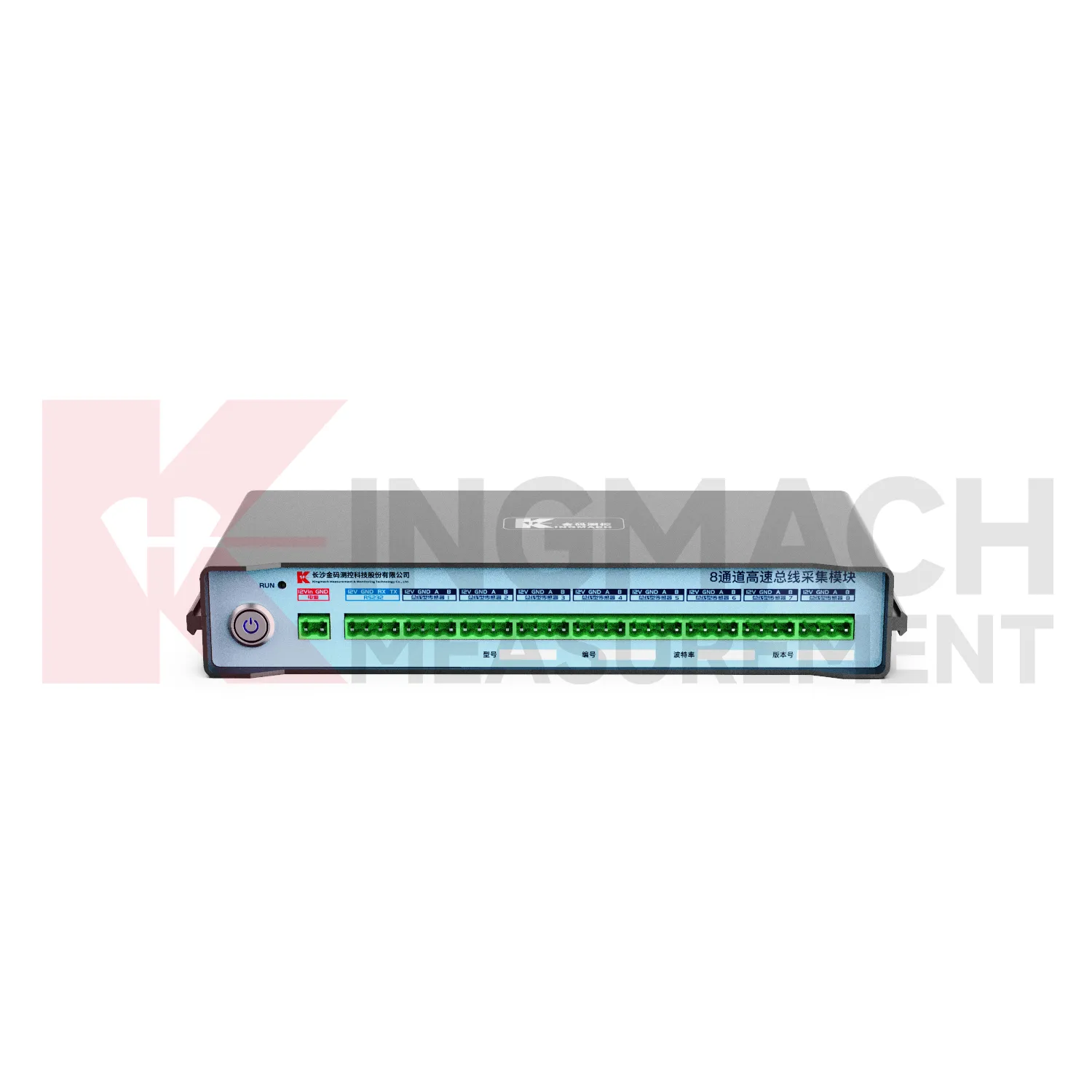
8-channel high-speed bus acquisition module JMJK-8DH
View DetailsFAQ
Many of our dynamic signal conditioning modules are designed with switchable input modes. You can typically configure each channel independently for either high-impedance voltage inputs (for vibrating wire sensors) or bridge-type inputs (for strain gauges). The module generates the correct excitation—a swept-frequency pulse for vibrating wire or a precision DC voltage for strain gauges—automatically based on the channel setting.
Field noise is often more about installation than the module itself, but our modules usually maintain better than 100 dB CMRR at 60 Hz, which helps reject common-mode noise from nearby power lines. For long runs, we recommend using shielded twisted-pair cables and, if needed, enabling the module’s built-in low-pass filter at a cutoff just above the signal bandwidth. In most geotechnical monitoring setups, we see noise amplitudes below 0.1% of full scale even with 200-meter cables.
Yes, we regularly supply modules in IP65-rated aluminum enclosures with sealed connectors. If the module will be inside a junction box, we can provide the board-level version for you to integrate, but for direct exposure, the enclosed version is standard. Just specify the connector type and environmental requirements when ordering, and we’ll configure accordingly.
Typical lead time is two to three weeks after finalizing specifications, but we keep a range of standard modules in stock that can be shipped within days. If you need a non-standard gain range or custom filter corner, we’ll build it and run a short validation cycle. Our engineers often jump on a call early in the process to make sure the module’s settings match your sensor data sheets, which avoids rework later.
Most of our modules output a standard ±10 V or 4–20 mA signal per channel, which is compatible with nearly any industrial data logger. If you need digital output (RS-485, Modbus, etc.), we can add a microprocessor-based conversion stage on the same board or as a companion unit. We regularly integrate with Campbell Scientific, Geokon, and RST Instruments loggers, and we can provide wiring diagrams specific to your logger model.
Share your product type, target capacity, and application requirements. Our team can review the details and recommend a practical next step.
If you are interested in our products or want to become our partner.
Please leave your contact information, our team will contact you as soon as possible.
Mail: [email protected]
Contact Us: +8613808434127
Address: No. 188 Tongzipo West Rd, Changsha, Hunan, China