
 EN
EN
 ar
ar bg
bg hr
hr cs
cs da
da nl
nl fi
fi fr
fr de
de el
el hi
hi it
it ko
ko no
no pl
pl pt
pt ro
ro ru
ru es
es sv
sv tl
tl iw
iw id
id lv
lv lt
lt sr
sr sk
sk sl
sl uk
uk vi
vi et
et hu
hu th
th tr
tr fa
fa ms
ms hy
hy ka
ka ur
ur bn
bn mn
mn ta
ta kk
kk uz
uz ku
ku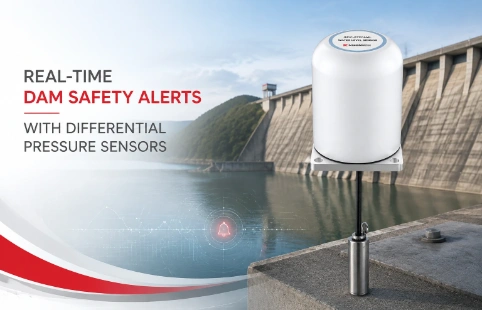
Real-Time Dam Safety Alerts with Differential Pressure Water Level Sensors
Key Takeaways An alert chain needs more than a sensor: define field in...

Groundwater Modeling Software with Real Monitoring Data
Digging into a complex site characterization project, you quickly realize that textbook geology doesn’t match what the piezometers are telling you. The water table shifts after a storm, and that old model based on regional averages just doesn’t cut it. That’s where pairing real field data with groundwater modeling software starts to make sense. Kingmach’s monitoring instruments—think vibrating wire piezometers, automatic water level loggers—give you the consistent, localized measurements that turn a generic model into something you can actually trust for site decisions. Engineers and hydrogeologists use these software tools to simulate flow, predict contaminant transport, or design dewatering systems. But the output quality hinges on the input. You need data that reflects what’s really happening underground, not just an estimate. And that data often comes from sensors recording in real time, which is what we’ve been manufacturing for years. This isn’t about selling a software package; it’s about understanding that the best model is only as good as its calibration points.
Technical Detail
When you’re running a groundwater model, the difference between a useful prediction and a misleading one often comes down to the quality of the head observations. That’s something hydrogeologists learn early. Kingmach Measurement & Monitoring Technology has been supplying sensors that plug that gap for a wide range of projects—from landslide investigations to deep excavation dewatering. Our product line includes items like resistive and vibrating wire piezometers, standpipe data loggers, and multiparameter water quality sondes. These aren’t directly part of a groundwater modeling software package, but they’re the tools that provide the boundary conditions, the calibration targets, and the long-term validation data the software demands. The software itself—whether it’s MODFLOW, FEFLOW, or a proprietary code—solves the flow equations. But you have to tell it where the water starts. Many modelers find that using Kingmach’s automatic data collection systems reduces the manual field work and gives them higher temporal resolution for transient runs. Custom setups are possible: we’ve worked with consultants to adapt sensor arrays for specific aquifer depths or to withstand corrosive groundwater. Technical support goes beyond troubleshooting the instrument; our engineers understand the data pipeline from logger to model input. That means we can help you structure an effective monitoring plan that feeds your software with the right data density. After all, a model that isn’t properly conditioned on field measurements is just a mathematical exercise. Whether you’re assessing a water supply, tracking a plume, or designing a cutoff wall, having reliable field instruments behind your groundwater modeling software makes the difference between an informed decision and an expensive guess.
News
Key Takeaways An alert chain needs more than a sensor: define field in...
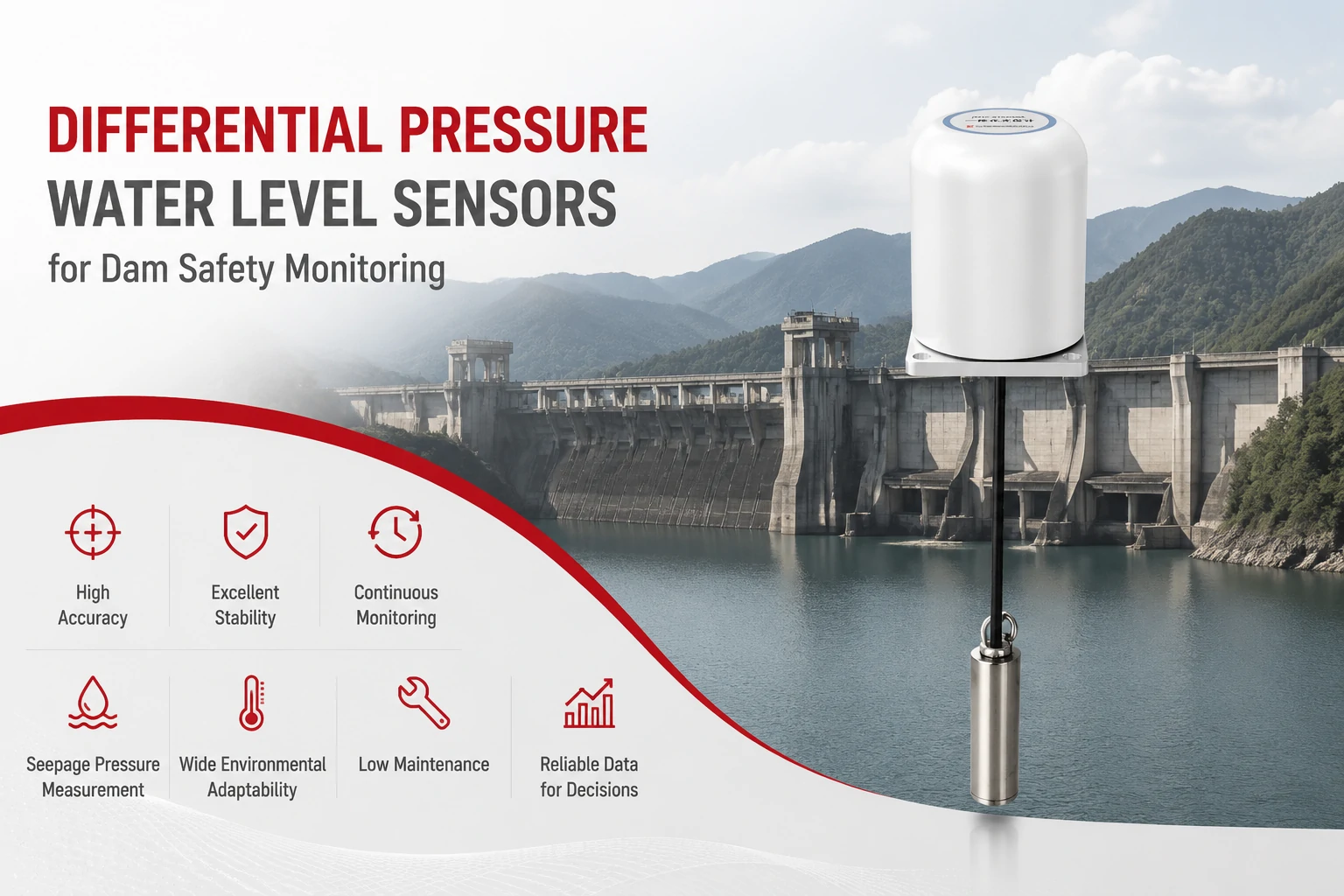
Key Takeaways The strongest fit is usually a confined, submerged, or s...
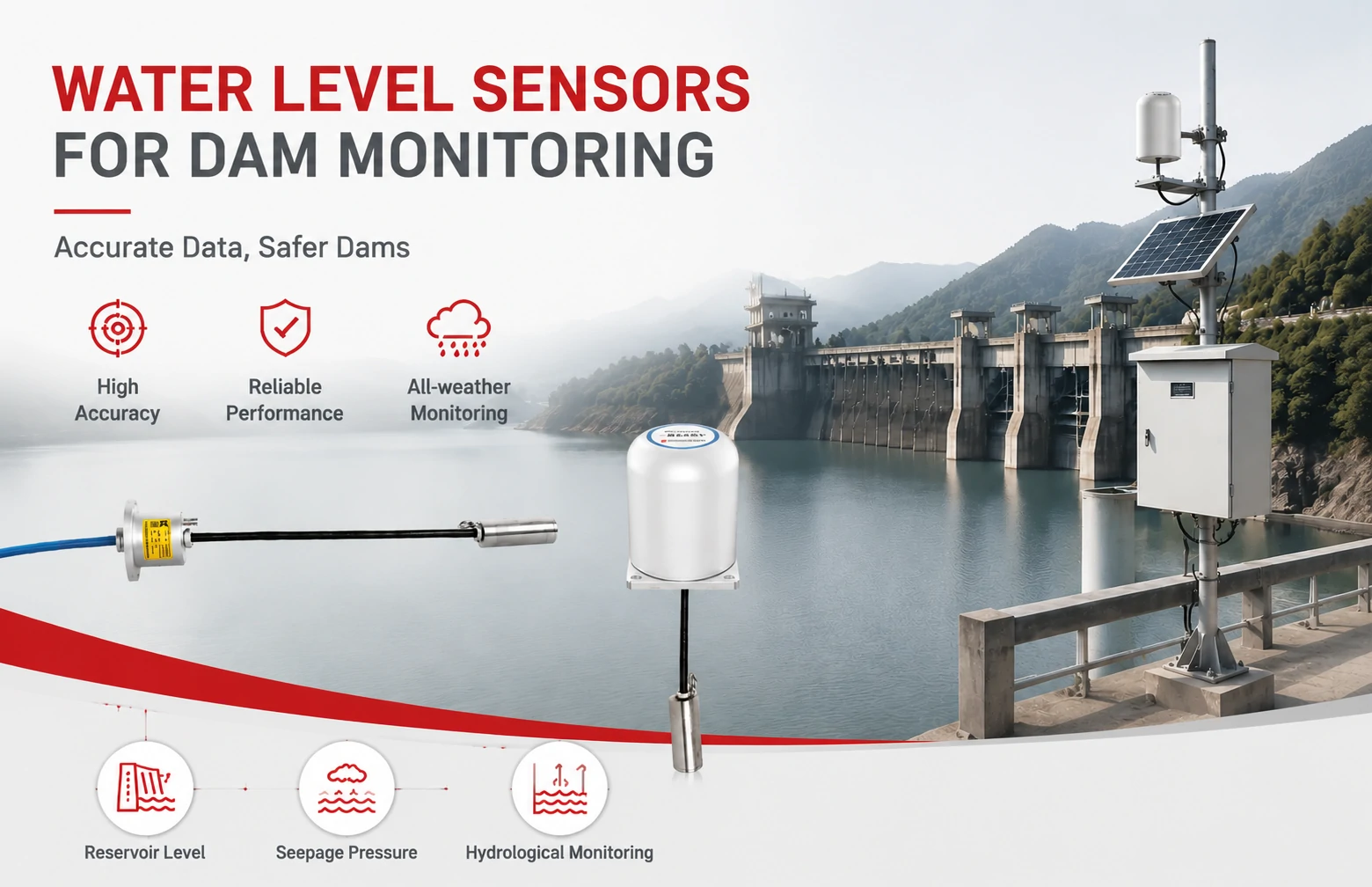
Kingmach Water Level Sensors for Dam Monitoring: A Buyer's Guide to Differential Pre...
Products
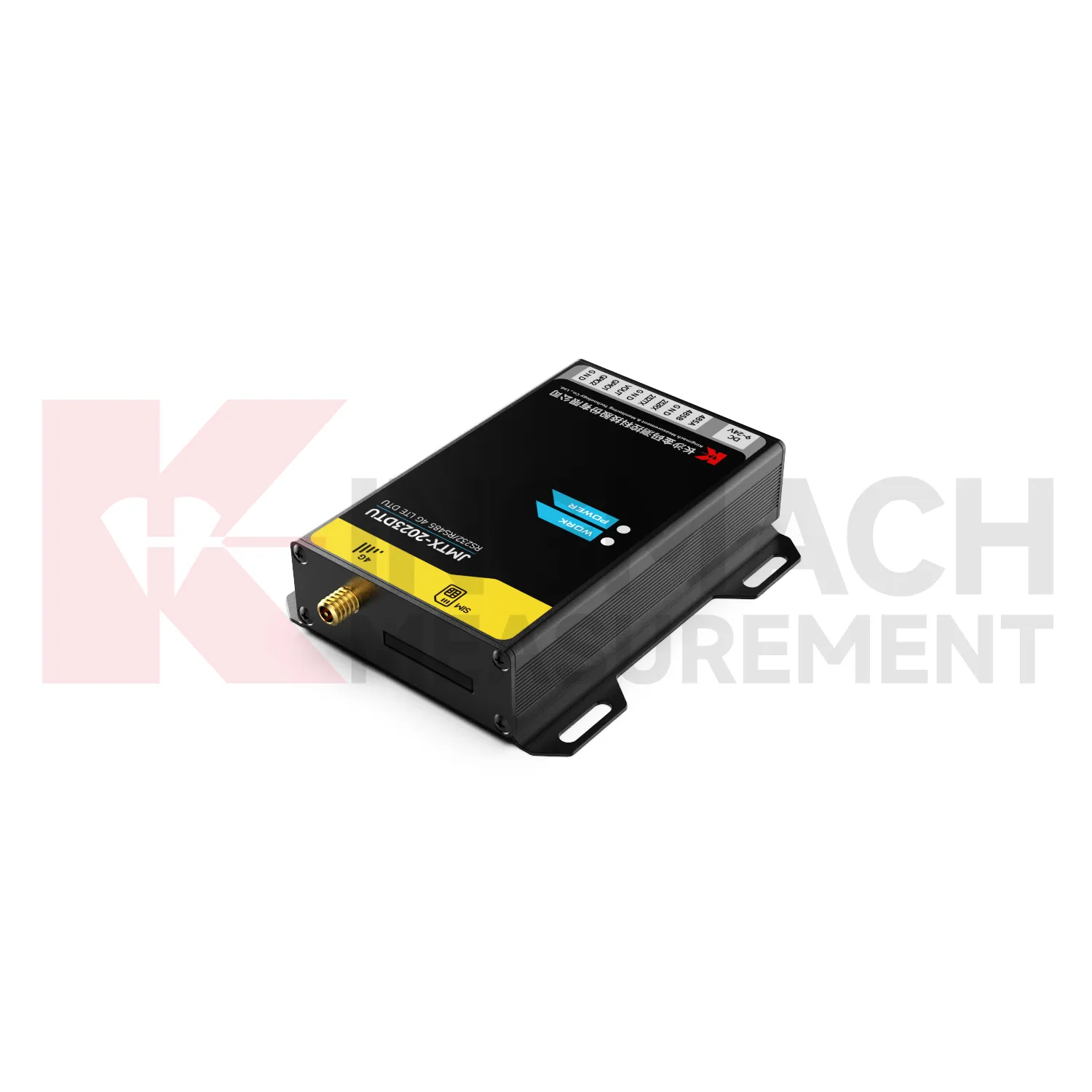
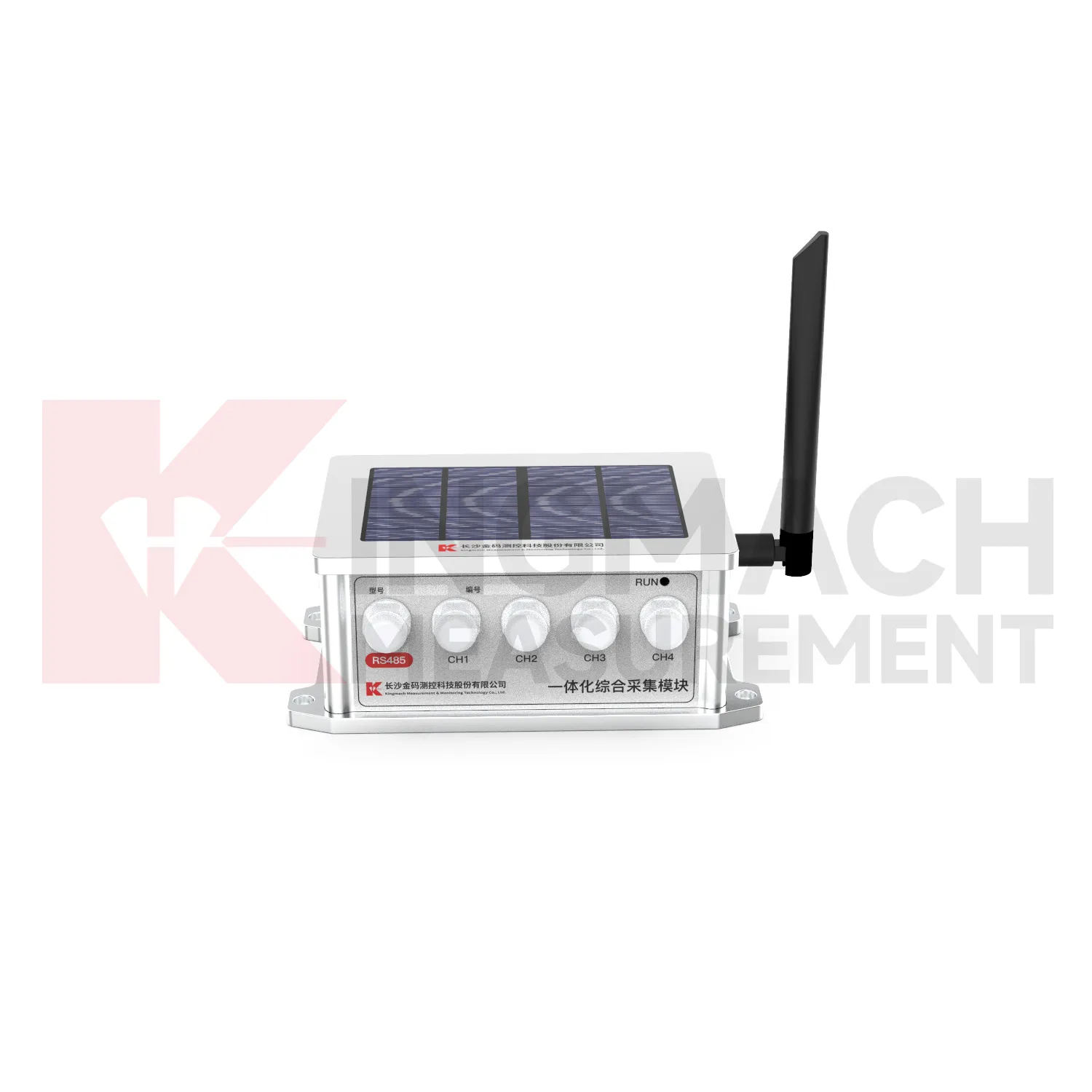
Integrated Comprehensive Acquisition Module JMZX-4/8GH-RTU
View Details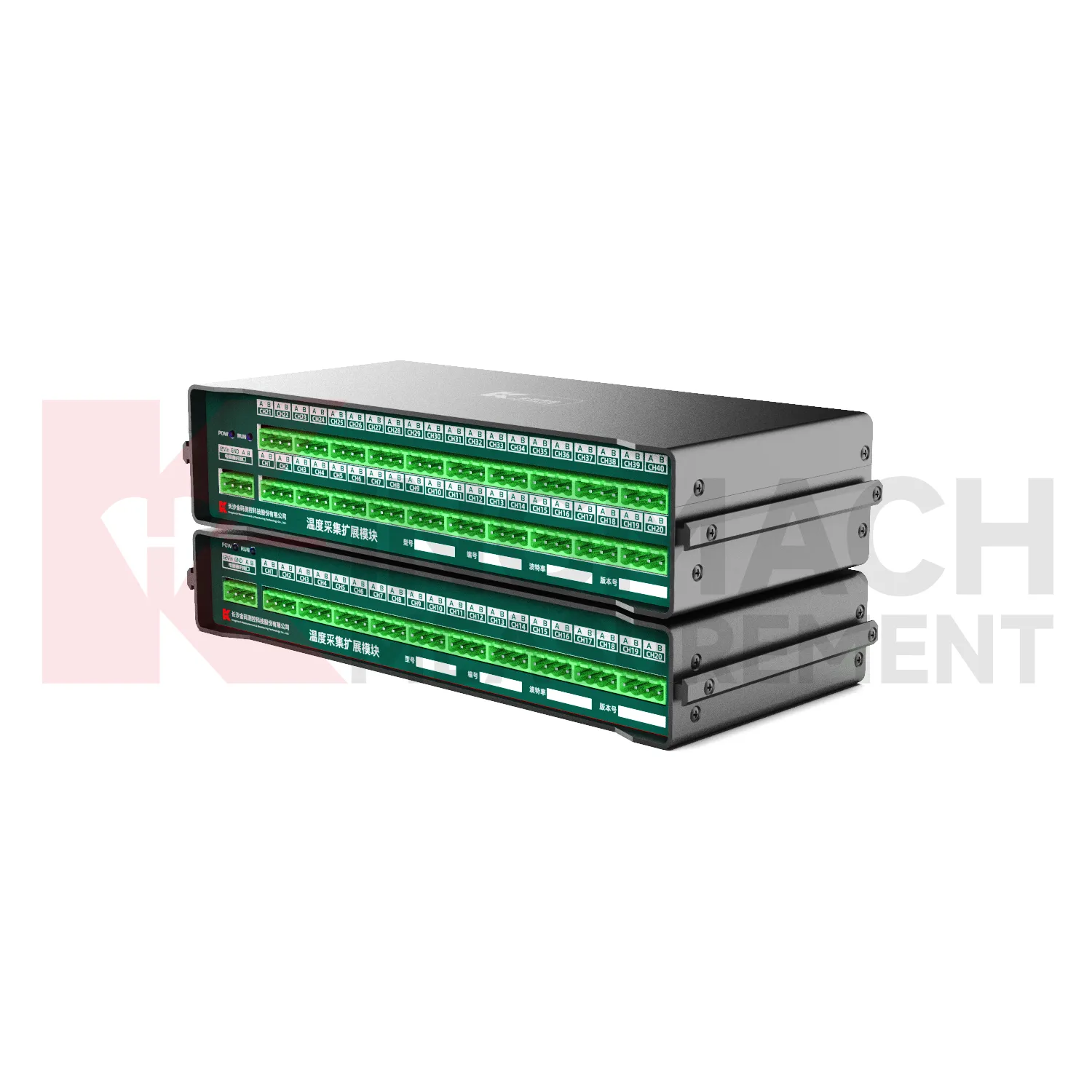
Temperature Acquisition Expansion Module JMWT-XXRTH
View DetailsFAQ
We manufacture monitoring instruments, not software. However, our devices generate the observation data that popular modeling packages like MODFLOW or FEFLOW need for calibration. We can advise on data export formats and integration steps so you can feed the measurements directly into your model.
Most of our data loggers export to CSV or standard spreadsheet formats, which you can rework as head observations or boundary condition files. For automated setups, we’ve had clients use Python scripts to pull data from our cloud platform and format it for their model. If you need something more custom, our support team can discuss the specifics.
Typical vibrating wire piezometer accuracy is within 0.1% of full scale, which is fine for most hydrogeological models. But the real question is drift over time—our sensors are built for long-term stability under field conditions. For calibration, consistent relative accuracy often matters more than absolute precision, and our track record shows minimal drift over multi-year deployments.
Absolutely. We’ve been involved in projects where the monitoring plan was co-developed with the modeling team to ensure the right number of observation points in key areas. Tell us about your site—aquifer type, contamination concerns, what you’re trying to model—and we can suggest sensor types, depths, and logging intervals that will give your software the data it needs.
Share your product type, target capacity, and application requirements. Our team can review the details and recommend a practical next step.
If you are interested in our products or want to become our partner.
Please leave your contact information, our team will contact you as soon as possible.
Mail: [email protected]
Contact Us: +8613808434127
Address: No. 188 Tongzipo West Rd, Changsha, Hunan, China