
 EN
EN
 ar
ar bg
bg hr
hr cs
cs da
da nl
nl fi
fi fr
fr de
de el
el hi
hi it
it ko
ko no
no pl
pl pt
pt ro
ro ru
ru es
es sv
sv tl
tl iw
iw id
id lv
lv lt
lt sr
sr sk
sk sl
sl uk
uk vi
vi et
et hu
hu th
th tr
tr fa
fa ms
ms hy
hy ka
ka ur
ur bn
bn mn
mn ta
ta kk
kk uz
uz ku
ku
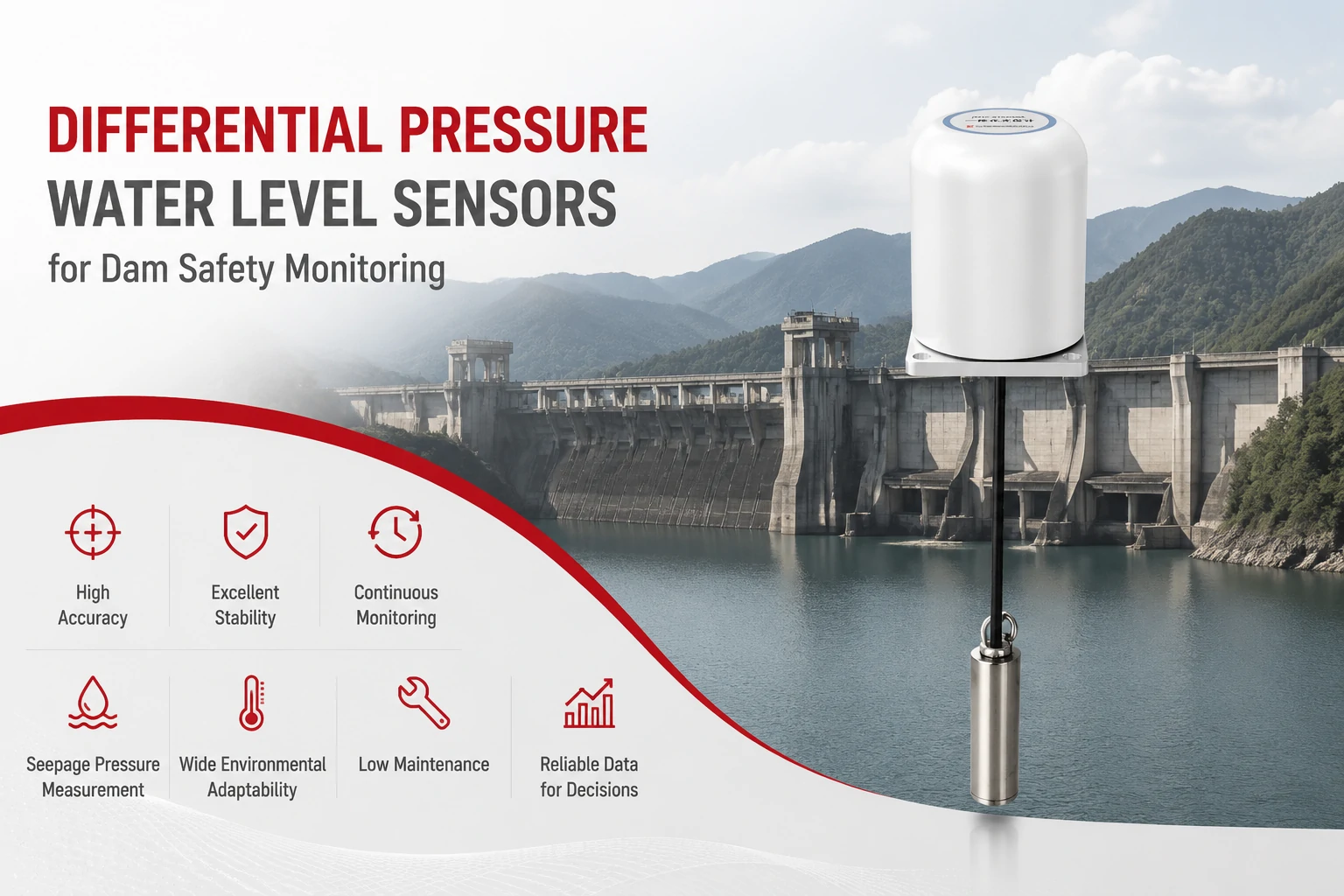
Real-Time Dam Safety Alerts with Differential Pressure Water Level Sensors
Key Takeaways An alert chain needs more than a sensor: define field in...

Guidewheel Measuring Rod: Sturdy Alignment for Track Work
Getting wheel alignment right on rail vehicles saves a lot of headaches later—uneven wear, vibration, the kind of stuff that eats into your maintenance budget. The guidewheel measuring rod is one of those tools that feels simple but does a lot of heavy lifting: it lets you compare distances between guide wheels, check back-to-back spacing, and spot misalignment before it causes real problems. You don’t need a fancy setup; just a straight rod with reliable reference points and a clear way to read the offset. Plenty of maintenance teams rely on these for daily checks, and when a rod holds its accuracy shift after shift, it quietly becomes the most trusted thing in the toolbox. That’s the idea behind what Kingmach puts together—rods that are straightforward, properly hardened where it counts, and adaptable enough for different wheel profiles without overcomplicating the job.
Technical Detail
A guidewheel measuring rod may not look flashy, but it directly supports safer, more efficient rail operations. At its core, it’s a rigid reference bar that spans between guide wheels, letting an inspector measure lateral deviation or relative distance with a straightforward gauge or dial. The rod itself has to stay true under knocks and weather, so we lean on materials that resist bending and corrosion—typically a hardened alloy steel shaft with minimal thermal expansion. End fittings are often hardened as well and can be shaped to match different wheel flange profiles, a detail that saves a lot of fiddling around on site. Kingmach makes these rods with an eye on what inspectors actually deal with: we keep the weight manageable without giving up stiffness, mark reference points clearly, and offer custom lengths so you’re not stuck with a one-size-fits-all approach that doesn’t fit your rolling stock. The contact points are finished to minimize wear on the wheel itself, and there’s enough thread adjustment built in to zero the gauge before each measurement. Compared with plug-and-play electronic systems, a well-made mechanical rod doesn’t need batteries, recalibration is rare, and anyone on the crew can learn to use it in a few minutes. That reliability explains why many maintenance depots keep at least one in the cabinet even if they use more advanced tools for periodic audits. When paired with a standard dial indicator or a simple go/no-go fixture, the rod gives you a fast, repeatable check that helps catch bearing shifts, flange wear trends, or bent axles before they lead to costly downtime. Add in Kingmach’s distribution network and the option to request bespoke accessories—like padded cases or extended calibration plates—and you’ve got a fairly practical package that doesn’t overpromise.
News
Key Takeaways An alert chain needs more than a sensor: define field in...
Key Takeaways The strongest fit is usually a confined, submerged, or s...
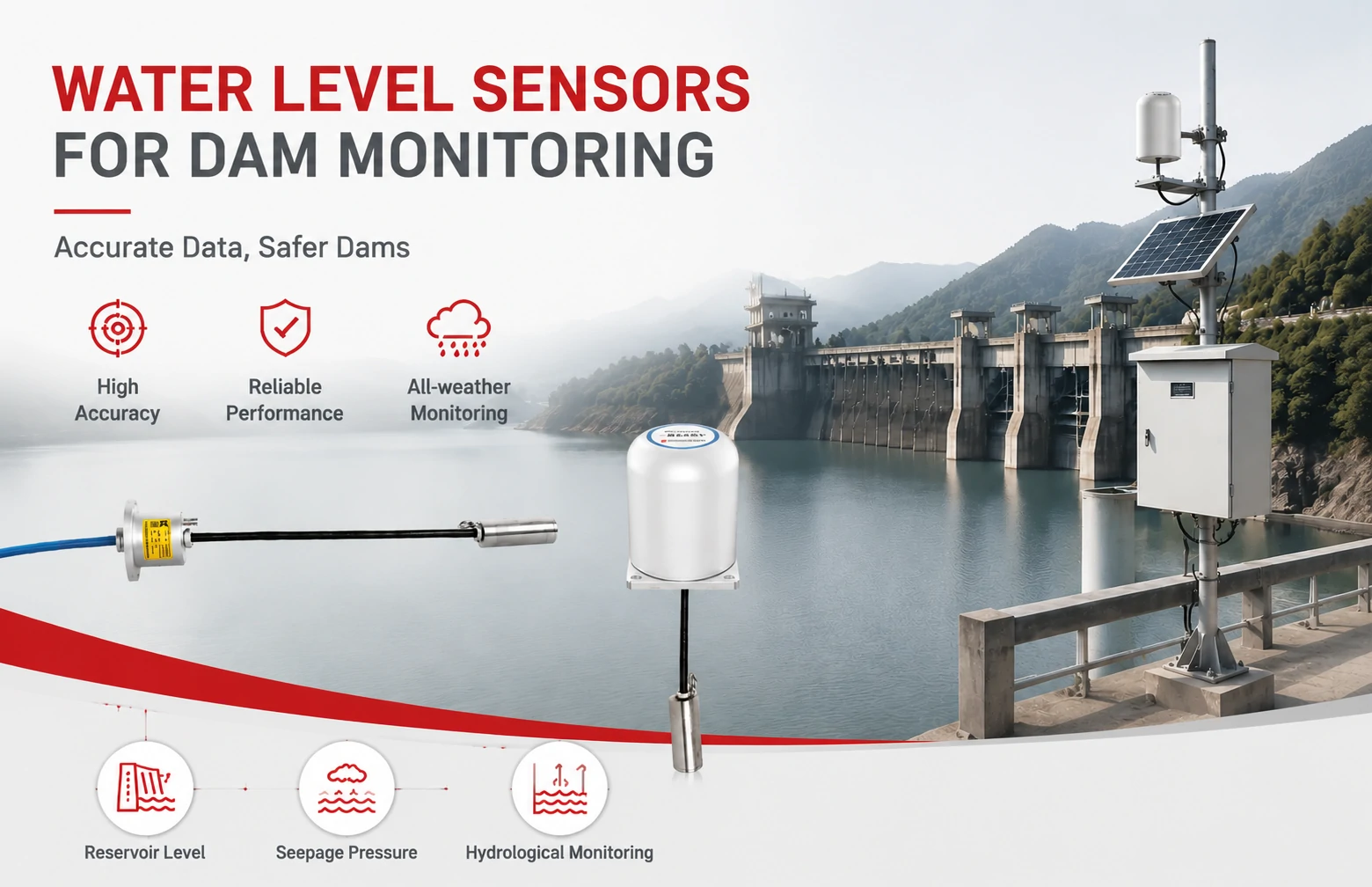
Kingmach Water Level Sensors for Dam Monitoring: A Buyer's Guide to Differential Pre...
Products
FAQ
It measures the relative distance or offset between guide wheels on a rail vehicle. You place it across the wheels, usually at flange height, and use a dial gauge or fixed reference mark to spot any deviation from the target back-to-back spacing or alignment. It’s a quick way to flag bent axles, uneven flange wear, or bearing shift without pulling the wheelset.
Yes, Kingmach offers custom lengths. Standard rods cover common gauges, but if you’re working with narrow-gauge mining cars or wide freight bogies, we can machine a rod to your spec. Just share the nominal wheel span and the flange profile you’re working with.
A mechanical rod holds calibration well if you handle it with reasonable care. We harden the shaft and ends so they don’t easily bend or wear. For best results, store it in its case, avoid dropping it, and occasionally check the zero against a known flat surface. A simple re-zero using the end adjuster before a measurement string takes care of tiny shifts.
It can. The trick is having end fittings shaped to seat securely against the flange without rocking. We can supply interchangeable tips or machine the ends to match common profiles. Tell us the profile and we’ll pick the geometry that gives repeatable contact.
Plenty of depots use both. The rod is fast for daily walk-around checks—no boot-up, no software—while the electronic kit gets pulled for detailed periodic measurements. The rod also serves as a backup when electronics act up in wet or cold conditions.
Share your product type, target capacity, and application requirements. Our team can review the details and recommend a practical next step.
If you are interested in our products or want to become our partner.
Please leave your contact information, our team will contact you as soon as possible.
Mail: [email protected]
Contact Us: +8613808434127
Address: No. 188 Tongzipo West Rd, Changsha, Hunan, China