
 EN
EN
 ar
ar bg
bg hr
hr cs
cs da
da nl
nl fi
fi fr
fr de
de el
el hi
hi it
it ko
ko no
no pl
pl pt
pt ro
ro ru
ru es
es sv
sv tl
tl iw
iw id
id lv
lv lt
lt sr
sr sk
sk sl
sl uk
uk vi
vi et
et hu
hu th
th tr
tr fa
fa ms
ms hy
hy ka
ka ur
ur bn
bn mn
mn ta
ta kk
kk uz
uz ku
ku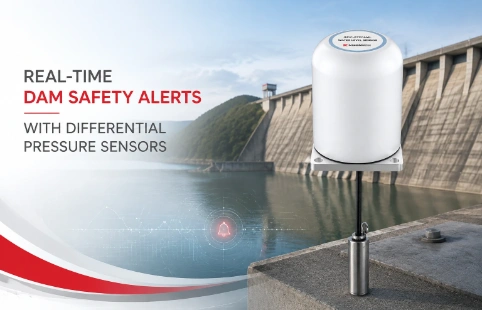
Real-Time Dam Safety Alerts with Differential Pressure Water Level Sensors
Key Takeaways An alert chain needs more than a sensor: define field in...

Laser Displacement Sensors for Geotechnical & Industrial Use
When monitoring structural movement or industrial automation, a sensor's ability to measure without contact changes how you approach the job. Kingmach's laser displacement sensors use triangulation to capture distance changes down to micrometer levels, even on hot, dark, or delicate surfaces. These sensors fit into geotechnical projects—like tunnel convergence and bridge deflection—and factory lines needing high-speed thickness checks. They don't rely on physical contact, so there's less wear and more consistent data over time. Kingmach focuses on making instruments that hold up in real field conditions: dust, varying light, and temperatures that would throw off lesser devices. With models offering different ranges and connectivity, you can integrate them into your existing monitoring network. No lab-only specs—these are designed for day-in, day-out reliability where decisions depend on accurate, timely data. Our engineering team often works with project planners to match sensor specs to the environment. Whether you need a compact unit for tight spaces or a long-range model for slope stability, the selection covers standard and customized needs. Because they minimize moving parts, maintenance drops, and you get longer service intervals. In many cases, the total cost of ownership over a multi-year project becomes lower than alternatives that require frequent recalibration or contact tips that wear down. Kingmach provides direct technical support, from initial setup to data integration, so your team isn't left guessing.
Technical Detail
Kingmach's laser displacement sensors are built around a proven triangulation principle: a laser beam hits the target, and the reflected spot is captured on a CMOS or PSD detector. As the target moves, the spot shifts, and the sensor calculates the displacement in real time. One practical advantage is the ability to measure on nearly any surface without special preparation—rough concrete, metal, or composite materials. In geotechnical monitoring, this means you can track crack width changes on a dam or tunnel lining without touching the structure, keeping workers safe and equipment out of harm's way. Models in the Kingmach lineup cover measuring ranges from 10 mm up to several meters, with linearity down to ±0.1% of full scale depending on the model. Analog (4–20 mA) and digital (RS-485, Ethernet) outputs are standard, so they talk easily to PLCs, data loggers, or cloud platforms. The sensor heads are IP67-rated, and many include built-in compensation for ambient light and temperature drift—critical when installations are outdoors or in harsh industrial settings. An onboard microprocessor handles signal filtering and averaging, reducing noise without delaying response. When you source from a manufacturer rather than a reseller, you get direct access to customization. Kingmach has adjusted cable lengths, connector types, and even housing materials for projects requiring ATEX zones or subsea installations. We don't publish those as off-the-shelf SKUs because every site is different, but the engineering team is set up for that kind of dialogue. Technical after-sales includes remote diagnostics and field commissioning support through local partners in over 30 countries. The sensors ship with calibration certificates traceable to national standards, and we stand behind them with a standard 2-year warranty. No marketing fluff—just reliable hardware and a team that knows how to keep it measuring true.
News
Key Takeaways An alert chain needs more than a sensor: define field in...
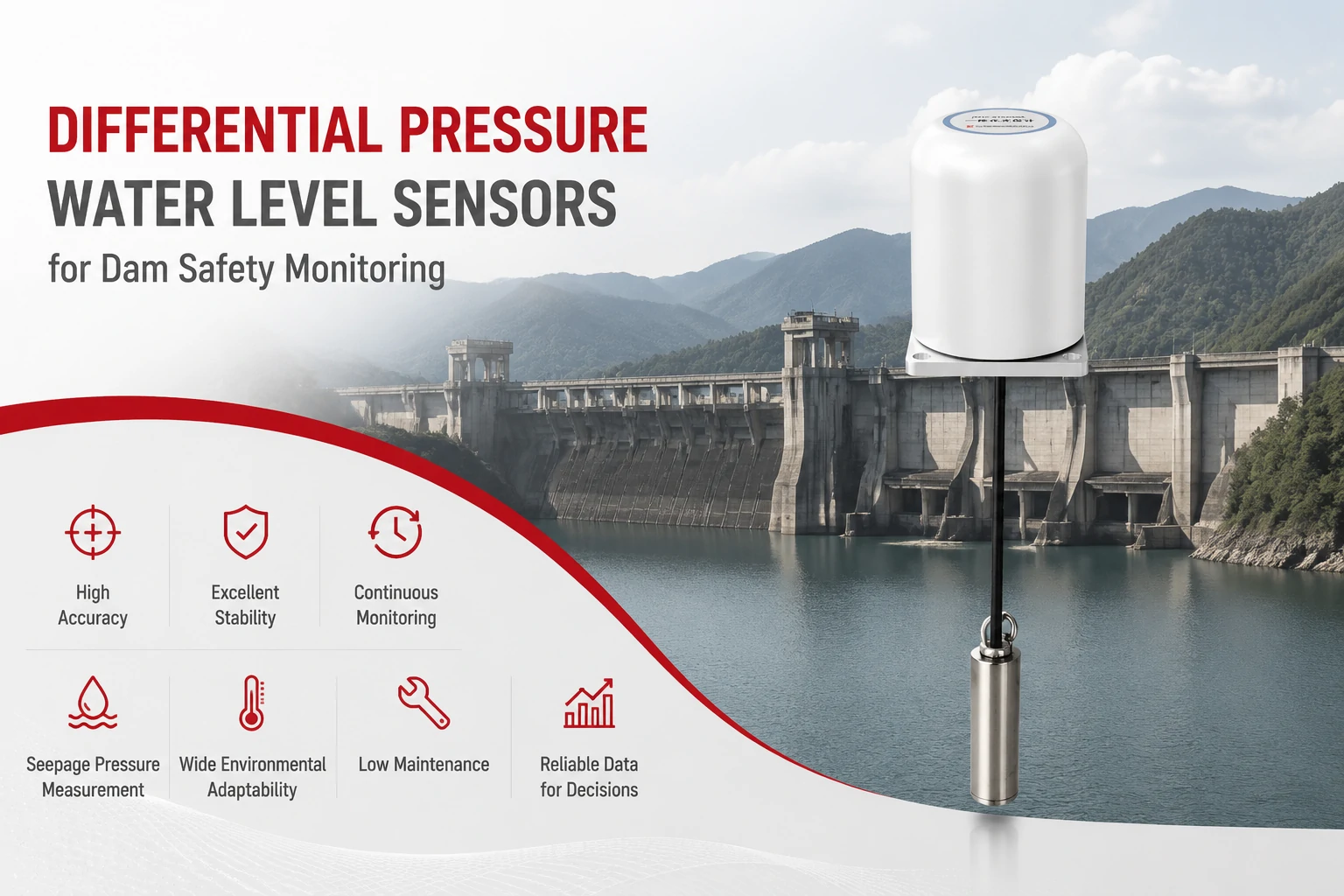
Key Takeaways The strongest fit is usually a confined, submerged, or s...
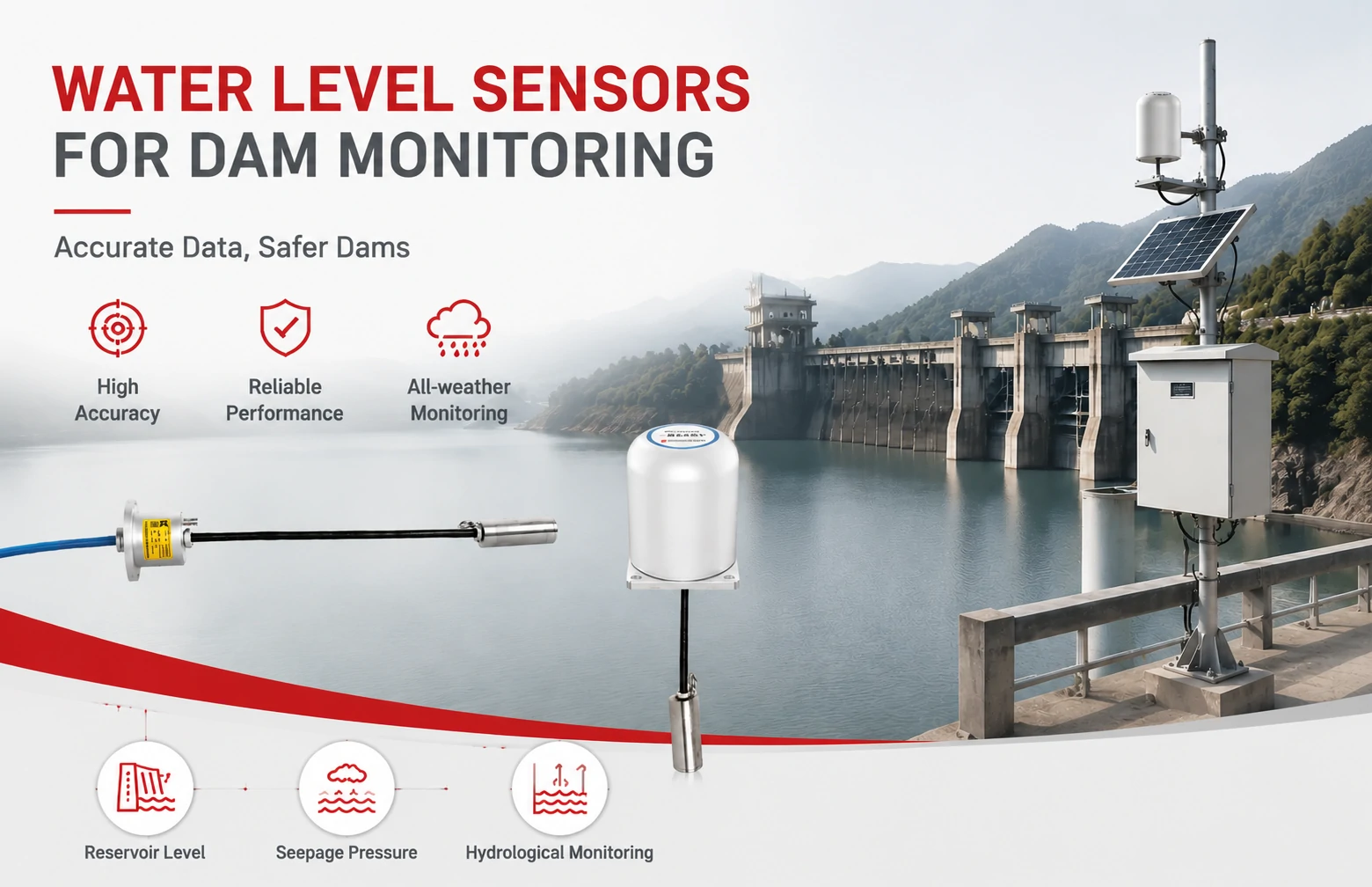
Kingmach Water Level Sensors for Dam Monitoring: A Buyer's Guide to Differential Pre...
Products
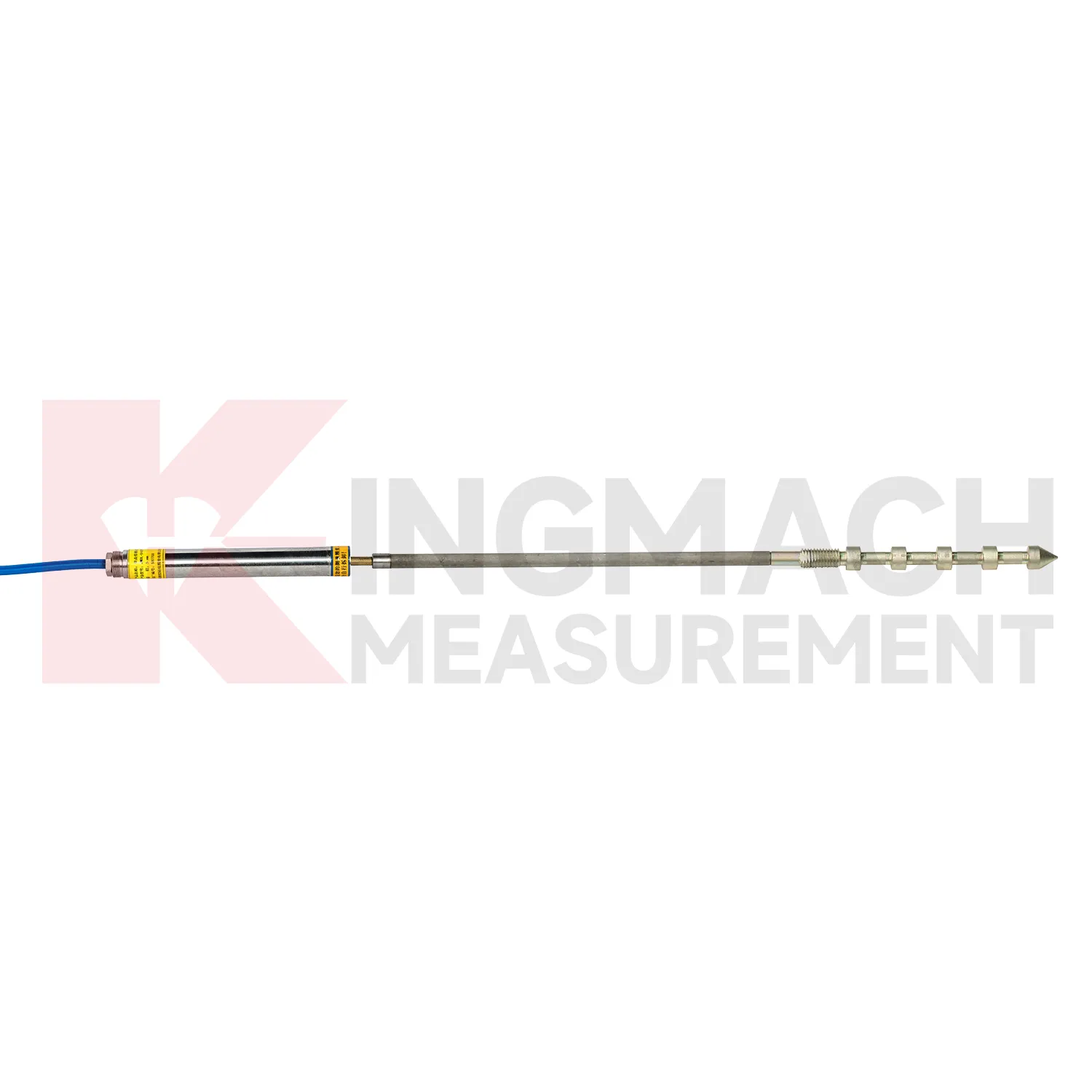
Smart Single-Point Bedrock Displacement Meter JMDL-32XXAT
View Details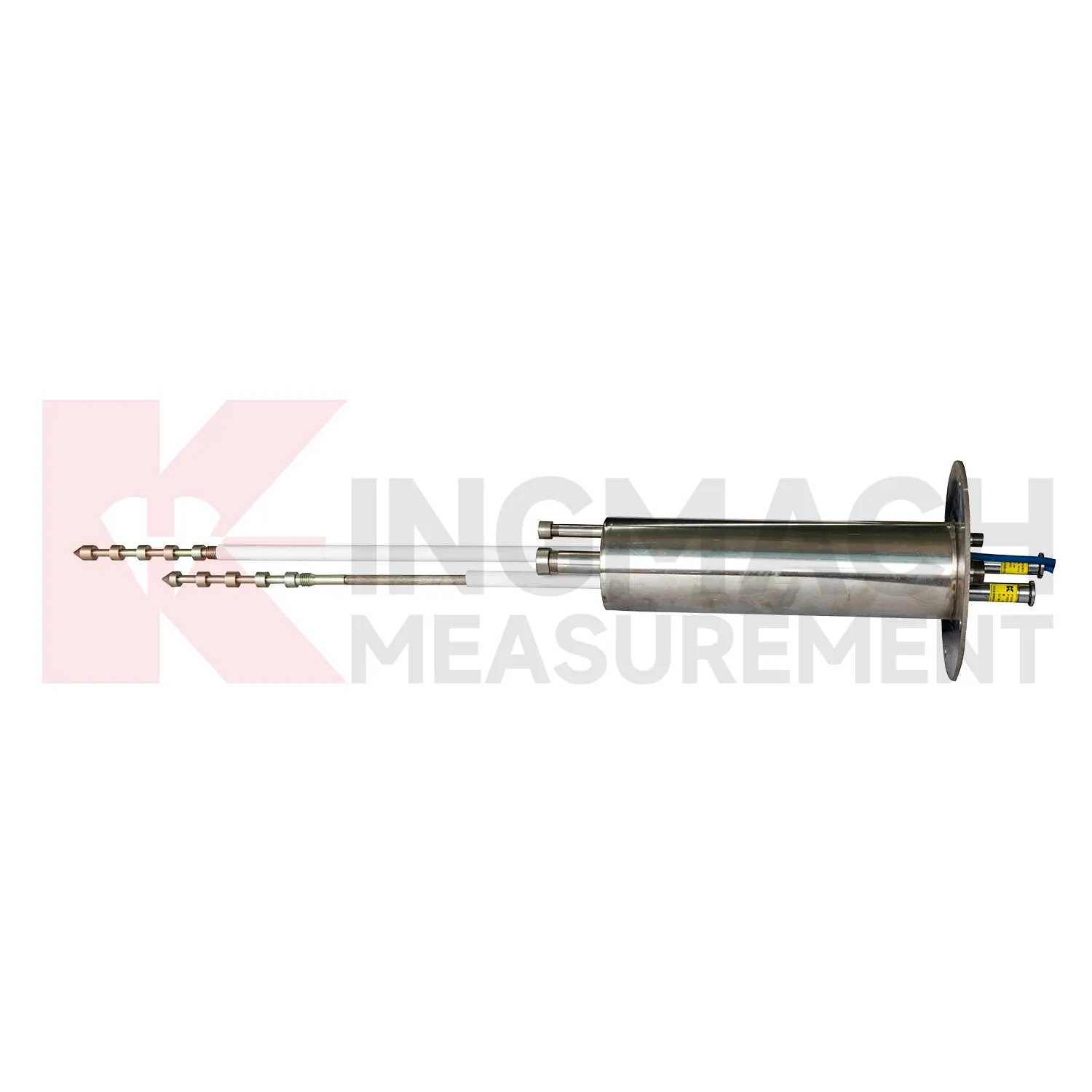
Smart Multipoint Displacement Meter JMDL-31XXAT
View Details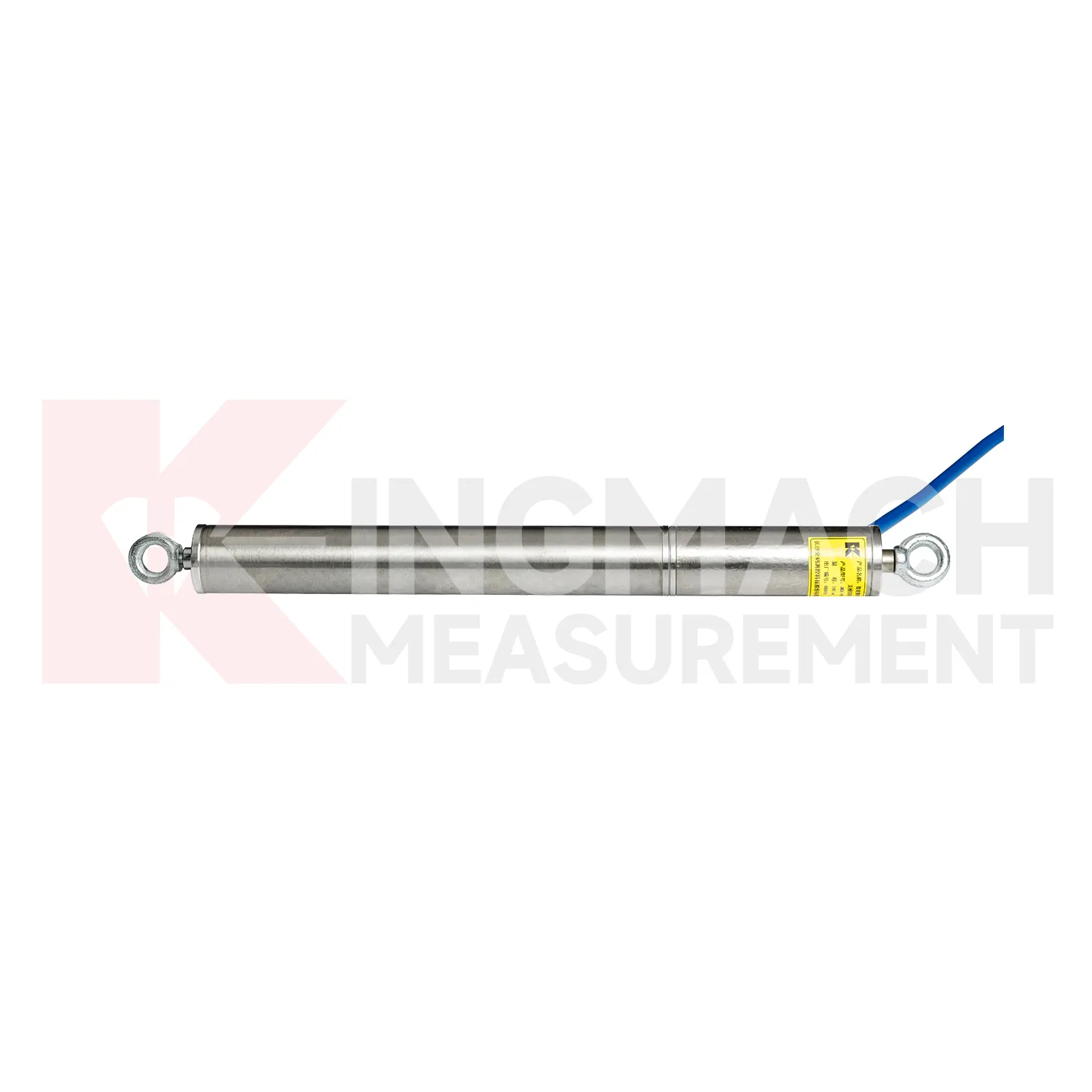
Smart Formwork Displacement Meter/ Steel Wire Displacement Meter JMDL-49XXAT
View DetailsFAQ
Laser sensors measure without contact, so they don't influence the crack or require physical mounting on both sides. LVDTs need to bridge the gap with a physical probe, which can disturb the measurement. Lasers also work on irregular surfaces and over longer distances, while LVDTs are generally limited to shorter ranges and smooth, accessible targets.
Routine maintenance is minimal—mainly keeping the optics clean. In dusty outdoor installations, a periodic wipe of the lens cover is enough. The IP67 housing protects internals from moisture and particles. Many models have a reference monitor that alerts if laser output drops, so you know when cleaning is due.
Yes, the triangulation principle handles a wide range of reflectivity. Very shiny surfaces can sometimes cause specular reflection, but sensors include algorithms to compensate. For extreme cases, we can recommend using a small piece of matte tape or adjusting the mounting angle to avoid direct reflections.
Response times vary by model and measurement range, but many units offer a configurable output rate from 1 ms to several seconds. Shorter ranges (e.g., 10–50 mm) often achieve sub-millisecond updates for high-speed sorting. You can slow it down for static monitoring with better noise rejection.
Yes, we have models with ranges up to several hundred meters, often using time-of-flight or phase-shift methods in addition to triangulation. These are used for open-pit mine walls or landslide early warning systems. They typically include data loggers and solar-powered options. Custom cables and mounting poles are available for remote sites.
Share your product type, target capacity, and application requirements. Our team can review the details and recommend a practical next step.
If you are interested in our products or want to become our partner.
Please leave your contact information, our team will contact you as soon as possible.
Mail: [email protected]
Contact Us: +8613808434127
Address: No. 188 Tongzipo West Rd, Changsha, Hunan, China