
 EN
EN
 ar
ar bg
bg hr
hr cs
cs da
da nl
nl fi
fi fr
fr de
de el
el hi
hi it
it ko
ko no
no pl
pl pt
pt ro
ro ru
ru es
es sv
sv tl
tl iw
iw id
id lv
lv lt
lt sr
sr sk
sk sl
sl uk
uk vi
vi et
et hu
hu th
th tr
tr fa
fa ms
ms hy
hy ka
ka ur
ur bn
bn mn
mn ta
ta kk
kk uz
uz ku
ku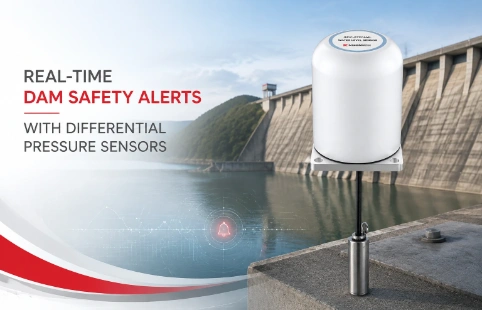
Real-Time Dam Safety Alerts with Differential Pressure Water Level Sensors
Key Takeaways An alert chain needs more than a sensor: define field in...

Load Cell Design: What Really Matters in Real-World Applications
Most engineers know the basics of a load cell strain gauge bridge. The tricky part isn't the textbook theory — it's dealing with off-axis loads, temperature swings, moisture ingress, and the thousand other ways a field installation can undermine your measurements. Early in my career, I watched a perfectly lab-calibrated sensor drift 20% within a week just because of a slightly misaligned mounting surface. That was a wake-up call. This page isn't a lecture. It's a collection of insights on load cell design drawn from years of working with geotechnical and structural monitoring projects. We'll look at material choices, sealing methods, and circuit design decisions that separate a sensor that works temporarily from one that holds up for years. Kingmach regularly helps engineering teams adapt or customize load cell designs for specific site conditions, and the notes here reflect that real-world filtering of what's actually worth your attention.
Technical Detail
Designing a load cell for geotechnical or structural monitoring isn't just about picking a capacity and a form factor. It's about understanding how the sensor will interface with soil, concrete, or steel in unpredictable environments. At Kingmach, we approach load cell design with a clear focus on long-term stability and field serviceability. For instance, the choice between stainless steel and alloy steel isn't just about corrosion resistance — it's also about thermal expansion matching with the host structure. That's a detail many overlook until they see seasonal zero shifts. Sealing is another area where lab tests rarely match reality. A load cell buried in a dam embankment faces constant humidity, chemical leaching, and sometimes bentonite grout. Simple O-ring seals can fail here, so we often specify glass-to-metal hermetic headers or double-sealed cable entries, depending on the design life target. On the electrical side, signal conditioning built into the sensor housing reduces noise pickup on long cable runs, which is a common complaint when sensors are installed hundreds of meters from the data logger. Kingmach also customizes bridge configurations — such as dual-bridge designs for simultaneous compression and tension monitoring — for customers who need more than a standard off-the-shelf unit. Our design process typically starts with your specific measurement range, environmental conditions, and output requirements, then works backward to select the right sensing element geometry and materials. If your project involves unique constraints like restricted borehole sizes or high radiation, we're equipped to discuss a tailored load cell design without forcing you into an overpriced one-off. The entire goal is practical, field-proof performance rather than chasing specifications that won't survive the first rainy season.
News
Key Takeaways An alert chain needs more than a sensor: define field in...
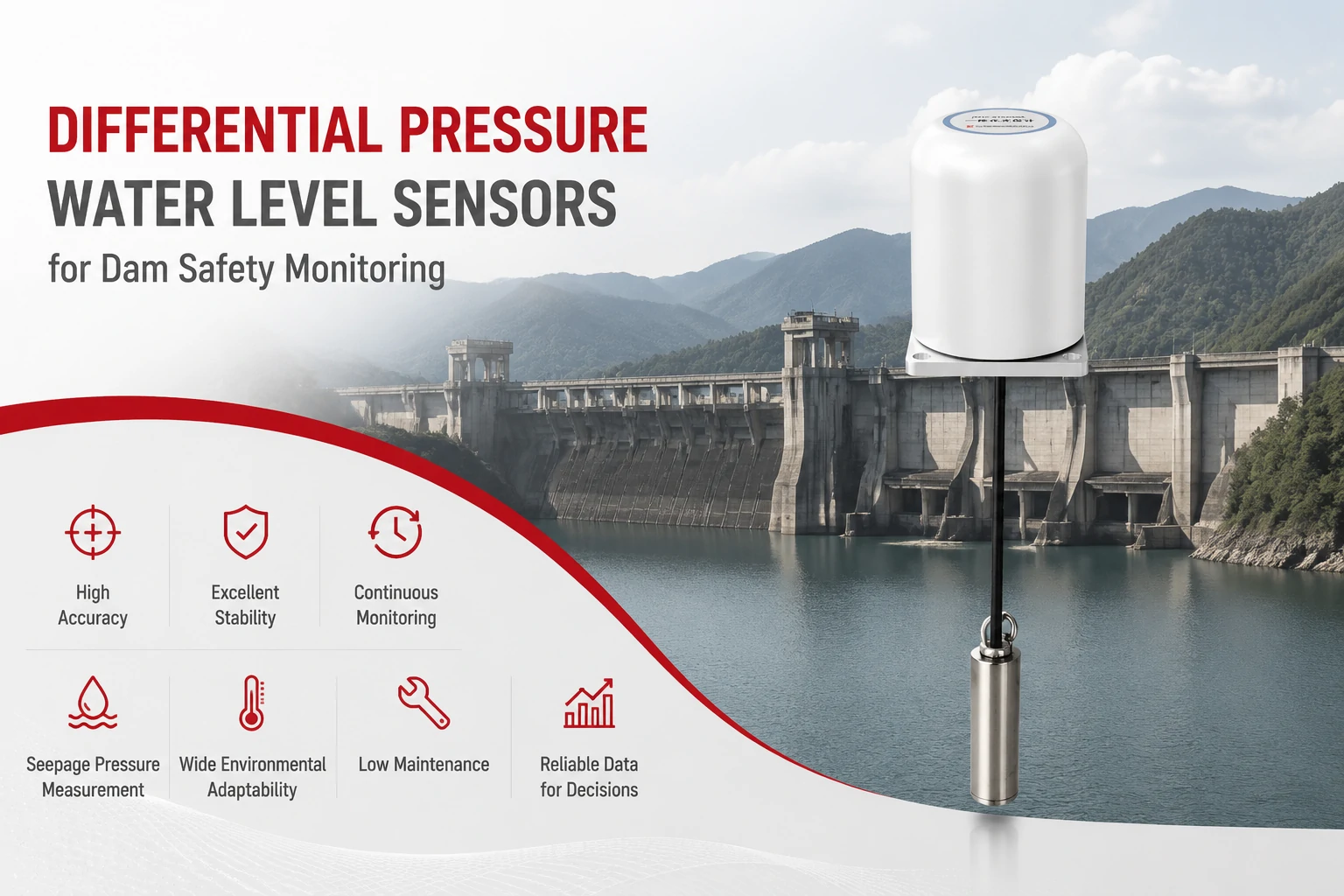
Key Takeaways The strongest fit is usually a confined, submerged, or s...
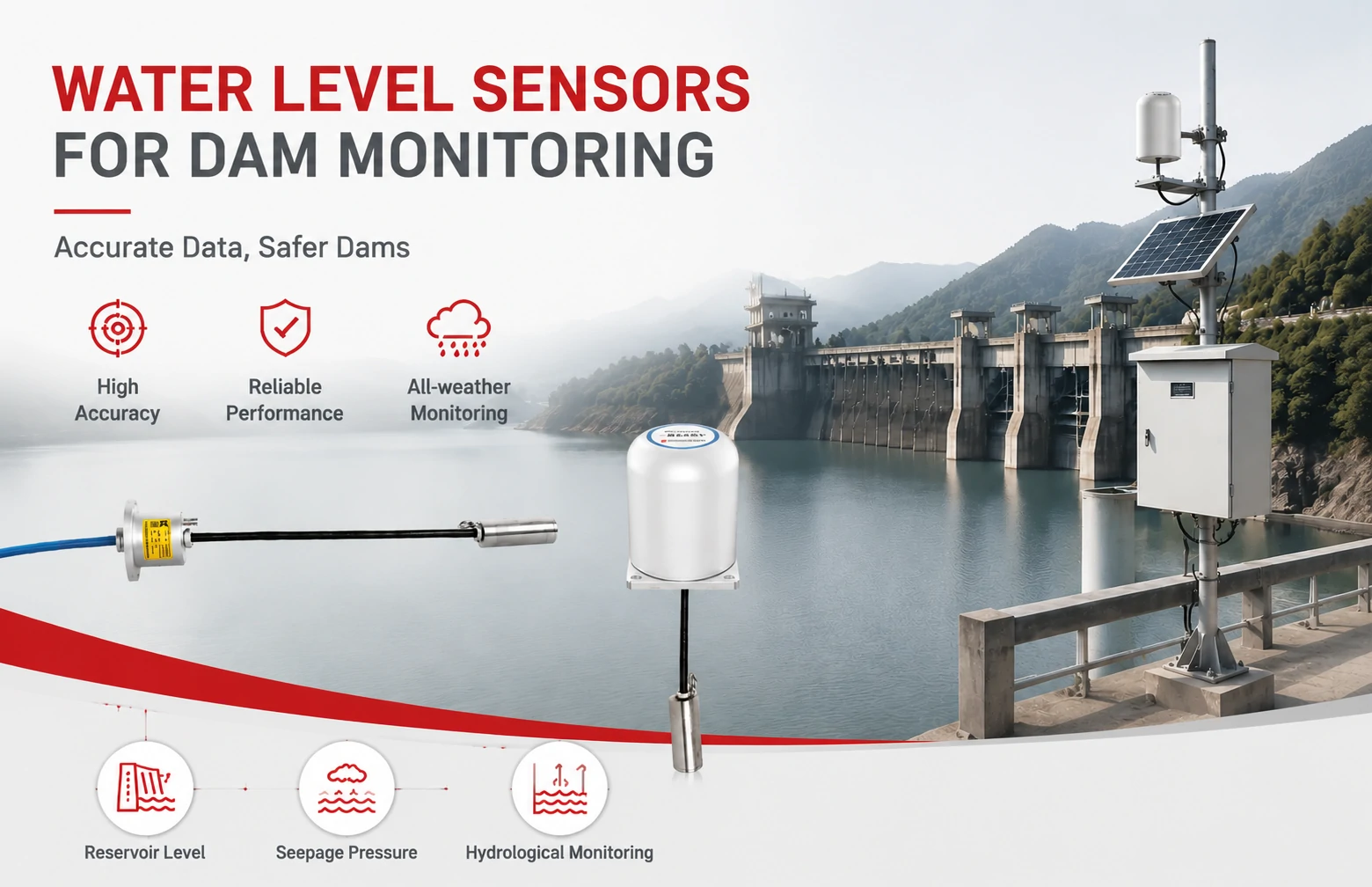
Kingmach Water Level Sensors for Dam Monitoring: A Buyer's Guide to Differential Pre...
Products
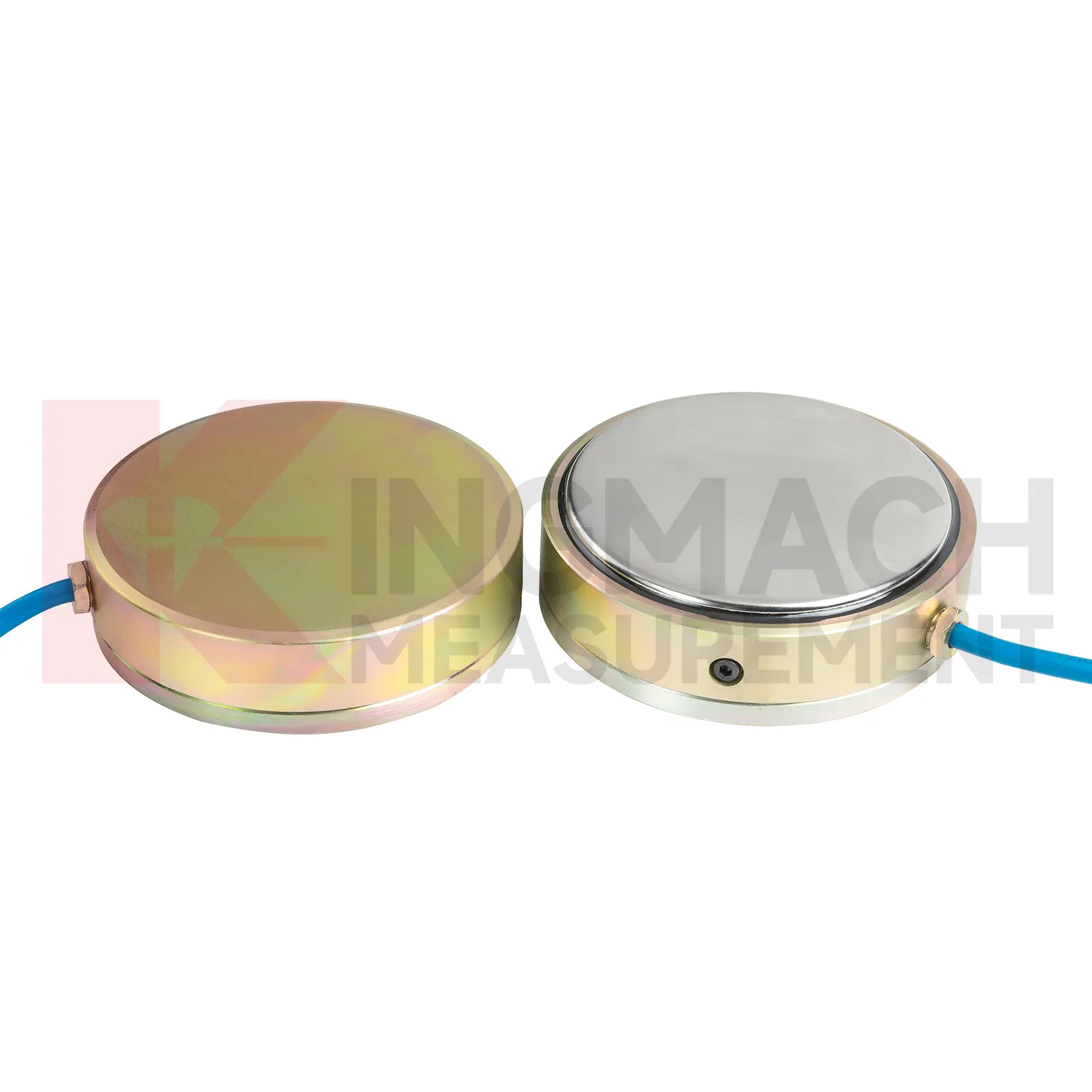
Large Earth Pressure Cell ( VW & Smart Type) JMZX-51XXAT/ ATM
View DetailsEarth Pressure Cell ( VW & Smart Type) JMZX-50XXAT/ ATM
View Details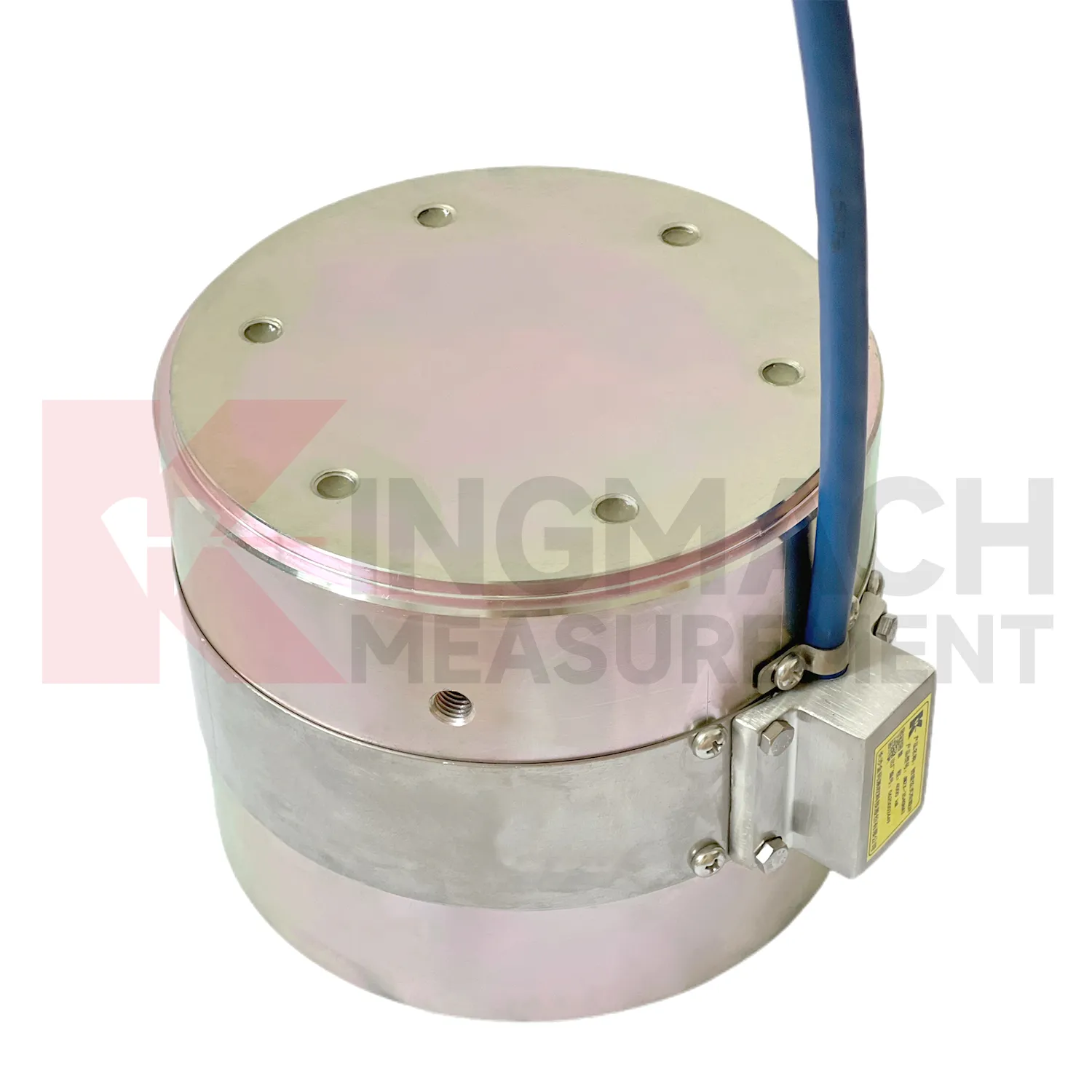
Solid load cell JMZX-34XXHAT、35XXHAT、36XXHAT
View DetailsFAQ
It often comes down to height restrictions and sensitivity to side loads. Shear web designs are popular for low-profile applications because they naturally cancel out off-axis moments, which makes alignment less critical. Column types can handle higher capacities in a smaller diameter but need careful loading to avoid bending errors. If you're unsure, talk through your mounting arrangement — we've helped many clients prototype both and compare field data before finalizing a design.
Yes, but it depends on the sealing method. We typically use fully welded stainless steel bodies with glass-to-metal sealed connectors for such applications. The cable itself often needs special attention — sometimes a polyurethane jacket with a pressure-resistant gland is enough, but in long-term dam or tunnel monitoring, we might run the cable in conduit as an additional barrier. No single design fits all, so we tailor the ingress protection to your expected service life and groundwater conditions.
4-20 mA current loops tend to be more robust for long distances because they're immune to voltage drop along the cable. mV/V outputs are simpler but need a stable excitation voltage and are more prone to noise. We often integrate a signal conditioner inside the load cell body to provide a current output directly, which saves you from troubleshooting gain drift and filter settings at the data logger. Digital outputs like RS-485 with Modbus are also gaining popularity when you need multiple sensors on one bus.
Almost always it's moisture ingress at the cable entry or connector. Even a tiny amount of condensation can change the bridge resistance balance. In well-designed sensors, the strain gauge area itself is usually hermetically sealed, but the junction between the cable and the element is the weak point. We recommend a double-seal approach: a compression gland plus a moisture-block inside the cable, or an integral connector with a sealed mating half. If you send us photos of the installation, we can often pinpoint the issue and suggest a retrofit.
Quite a bit, within reason. We regularly modify dimensions to fit existing mounting plates, build sensors with multiple independent bridges for redundancy, or integrate thermistors for temperature compensation. For very high temperatures (above 150°C) or underwater use at depth, the material selection and internal clearances need special attention. The cost-benefit usually makes sense when you need a few dozen units — we wouldn't recommend a full custom design for just one or two pieces unless it's a critical measurement point.
Share your product type, target capacity, and application requirements. Our team can review the details and recommend a practical next step.
If you are interested in our products or want to become our partner.
Please leave your contact information, our team will contact you as soon as possible.
Mail: [email protected]
Contact Us: +8613808434127
Address: No. 188 Tongzipo West Rd, Changsha, Hunan, China