
 EN
EN
 ar
ar bg
bg hr
hr cs
cs da
da nl
nl fi
fi fr
fr de
de el
el hi
hi it
it ko
ko no
no pl
pl pt
pt ro
ro ru
ru es
es sv
sv tl
tl iw
iw id
id lv
lv lt
lt sr
sr sk
sk sl
sl uk
uk vi
vi et
et hu
hu th
th tr
tr fa
fa ms
ms hy
hy ka
ka ur
ur bn
bn mn
mn ta
ta kk
kk uz
uz ku
ku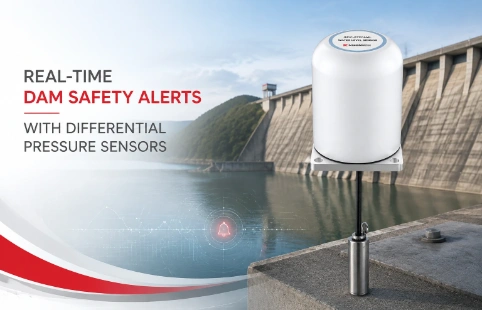
Real-Time Dam Safety Alerts with Differential Pressure Water Level Sensors
Key Takeaways An alert chain needs more than a sensor: define field in...

Sensor Inclinometer for Reliable Geotechnical Monitoring
Choosing a tilt sensor for a monitoring job often boils down to two things: can it survive in the real world, and will the data actually make sense a year later. Kingmach has been building geotechnical instruments for a while, and the inclinometer sensors we make cover everything from simple manual readout units to networked systems that send alerts when ground movement crosses a threshold. We’ve shipped these to projects where heavy rain, dust, or temperature swings are the norm, and the feedback we get is that they hold up. If you’re dealing with landslide risk, deep excavation monitoring, or dam deformation, a sensor inclinometer that’s easy to mount and doesn’t drift over time is what you’re after. There’s a range of models, some with MEMS sensing elements, others with servo-accelerometers, depending on the resolution and long‑term stability your application demands. The point isn’t to overwhelm you with specs – it’s to match the right sensor to the job without overselling.
Technical Detail
Kingmach sensor inclinometer options are built around the idea that no two monitoring sites are the same. You might need an analogue 4‑20 mA output for a simple SCADA integration, or a digital RS485 bus for a long chain of sensors. We keep both in the catalogue. The housings are typically stainless steel or anodised aluminium, sealed to withstand immersion or high humidity – IP67 is common, with IP68 variants available for submerged installations. Field‑replaceable cables and mounting brackets can be customised to suit borehole, surface, or wall mounting, which saves time when the contractor is already on a tight schedule. Temperature compensation is baked into the detection circuit, because thermal drift is often the first thing that ruins a monitoring data set. For remote sites, solar‑powered data loggers with 4G communication are an option, and we’ve set up cloud dashboards for clients who want to check slope stability from a phone. While we don’t publish blanket accuracy figures – it depends on the model and measuring range – the repeatability across our MEMS units is typically better than 0.005°, which matters when you’re tracking millimetre movements over months. If your project has an unusual requirement, like ATEX certification or a specific frequency response for seismic monitoring, we can usually adapt. Our technical team is used to reviewing borehole logs, recommending gauge lengths, and helping with first‑time installation over a video call or on site. Kingmach isn’t a startup trying to disrupt the market with one gadget; we’re a manufacturer that keeps a wide inventory and treats after‑sales support as part of the product.
News
Key Takeaways An alert chain needs more than a sensor: define field in...
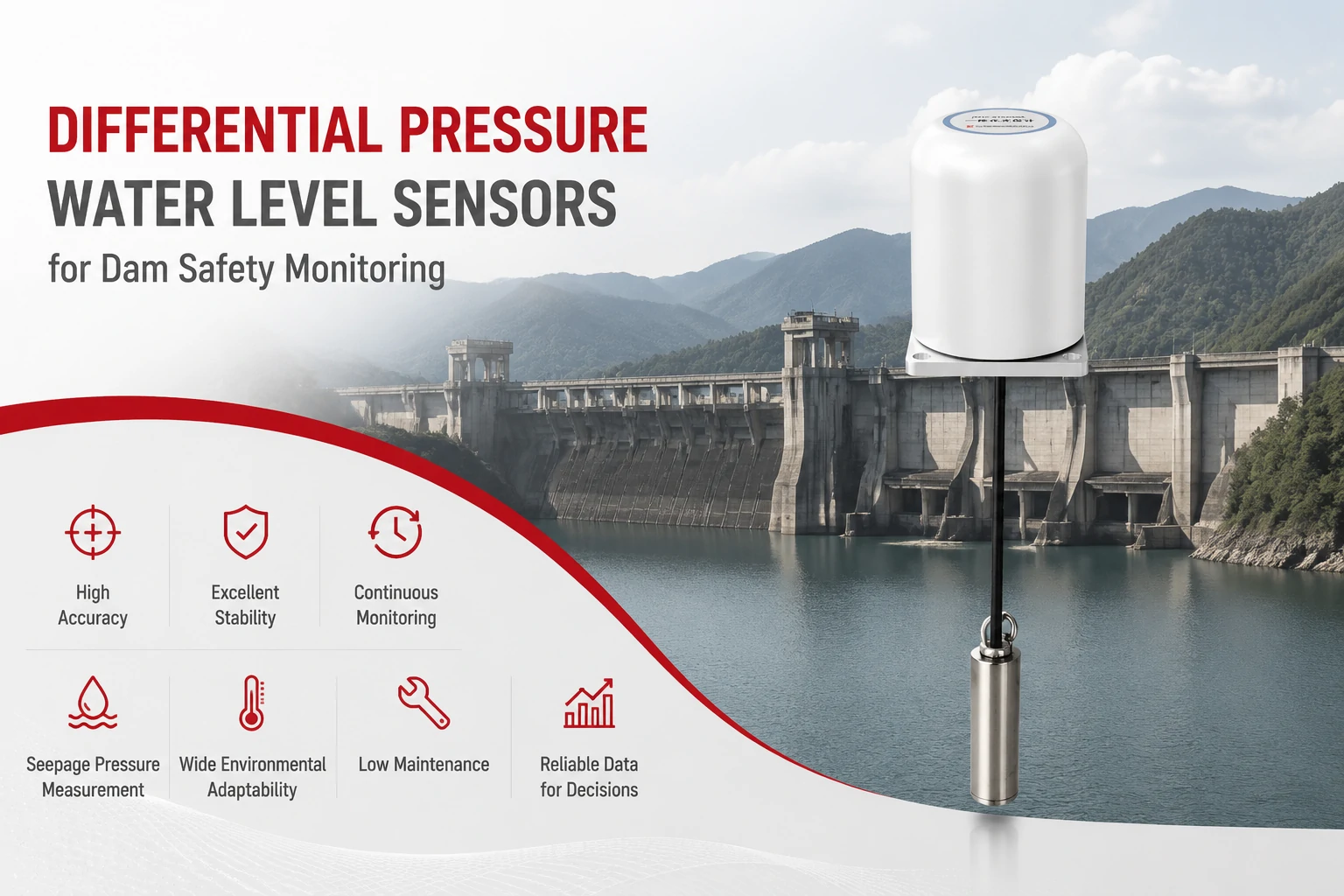
Key Takeaways The strongest fit is usually a confined, submerged, or s...
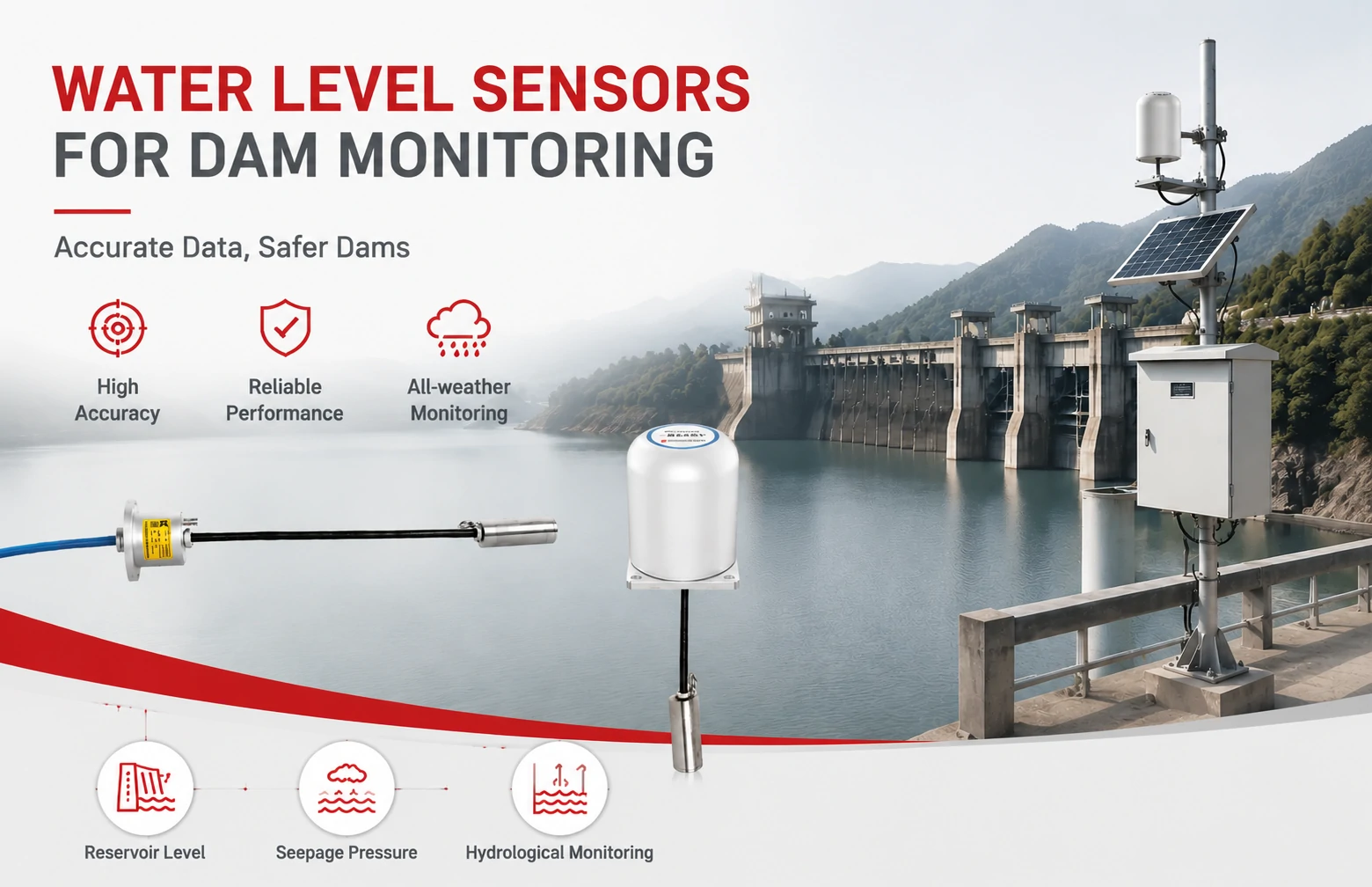
Kingmach Water Level Sensors for Dam Monitoring: A Buyer's Guide to Differential Pre...
Products
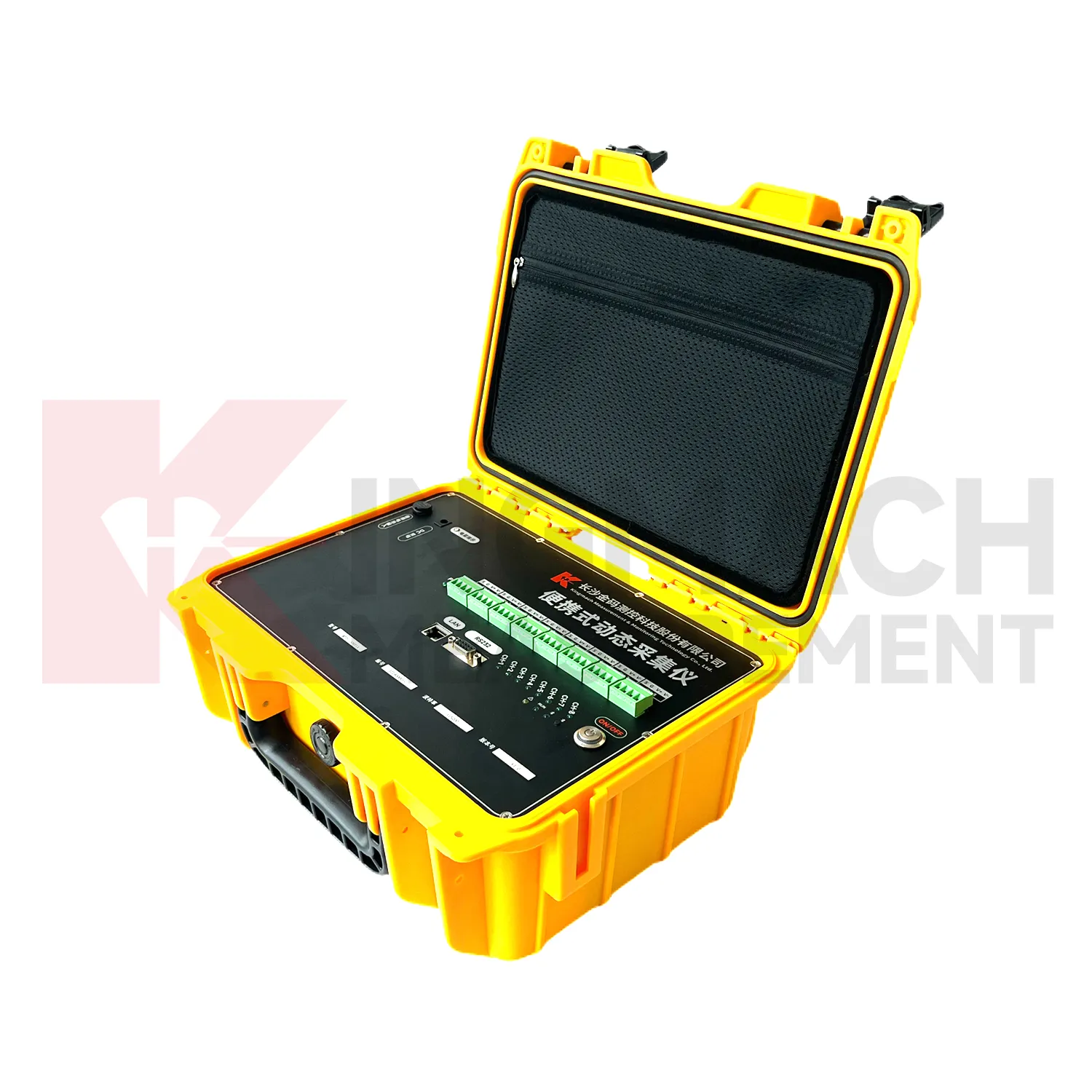
Portable Dynamic Signal Acquisition Readout JMYS-1008BX
View Details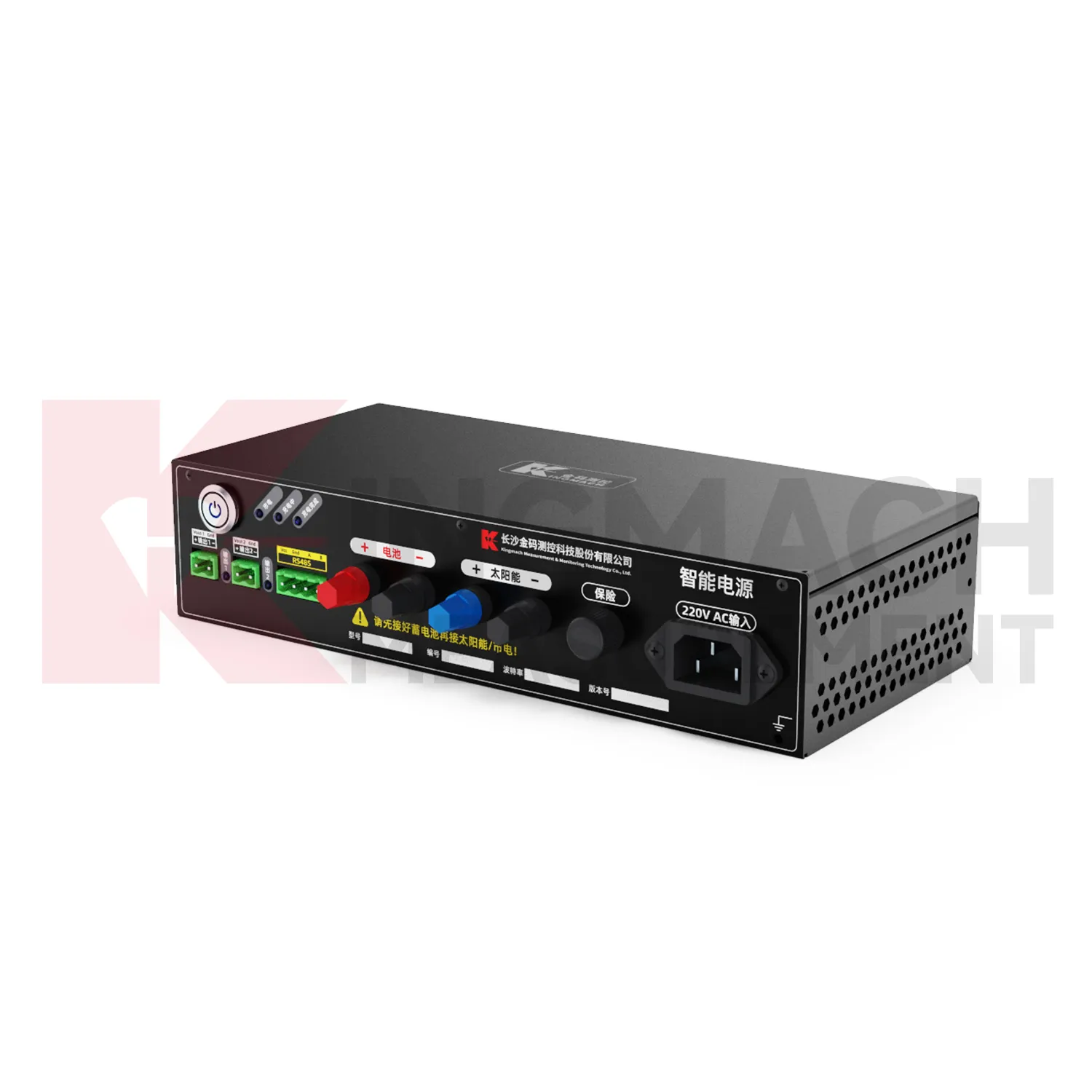
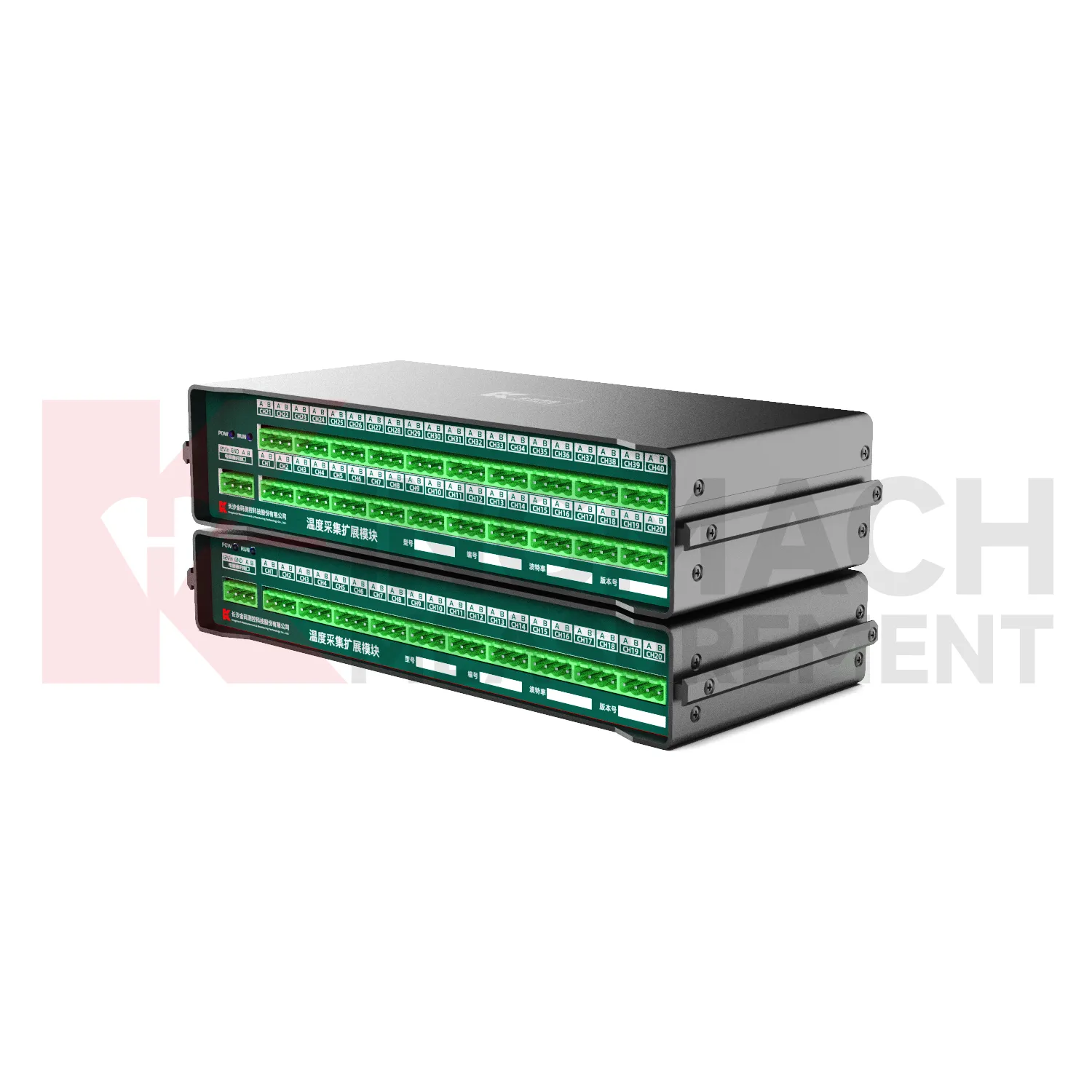
Temperature Acquisition Expansion Module JMWT-XXRTH
View DetailsFAQ
It mostly comes down to the model and how you deploy it. A typical sensor measures angular tilt, which translates to lateral displacement when you know the gauge length. They’re used on landslides, diaphragm walls, embankments, and tunnels to spot movement as small as a fraction of a millimetre per reading interval. The key is picking a sensor with low enough noise that you’re seeing the geology, not the electronics.
Yes, that’s a regular request. Beyond the standard 4‑20 mA, 0‑5 V, and RS485, we’ve supplied units with CAN bus, SDI‑12, and even dry contact closures for alarm panels. Connectors can be specified as M12, military‑style circular, or pigtail leads – whatever the site wiring standard demands. Lead time might stretch a little, but we usually manage it without a massive price bump.
Most of the housings are rated IP67 out of the box, and we have IP68 designs tested for permanent submersion in water up to 50 metres. The sealing uses dual O‑rings and a gore‑vent to prevent internal condensation without letting water in. We’ve got installations that have been in place for over five years without a measurable zero shift. Regular calibration check intervals are still advised, but the hardware is built for the long haul.
You can absolutely start with one or two units for a pilot project. We don’t enforce a strict MOQ on standard configurations because we know engineers need to test before committing to a full‑scale deployment. Stock models usually ship within a week or two, depending on your location and our current production schedule.
We provide wiring diagrams, mounting guidance, and configuration notes with every shipment. If the crew on site runs into confusion, our application engineers hop on a call and walk them through it. For larger projects, we can come out for initial installation supervision and help set up data‑logging thresholds. We don’t charge extra for that kind of support on reasonable‑sized orders – it’s just part of making sure the monitoring actually works.
Share your product type, target capacity, and application requirements. Our team can review the details and recommend a practical next step.
If you are interested in our products or want to become our partner.
Please leave your contact information, our team will contact you as soon as possible.
Mail: [email protected]
Contact Us: +8613808434127
Address: No. 188 Tongzipo West Rd, Changsha, Hunan, China