
 EN
EN
 ar
ar bg
bg hr
hr cs
cs da
da nl
nl fi
fi fr
fr de
de el
el hi
hi it
it ko
ko no
no pl
pl pt
pt ro
ro ru
ru es
es sv
sv tl
tl iw
iw id
id lv
lv lt
lt sr
sr sk
sk sl
sl uk
uk vi
vi et
et hu
hu th
th tr
tr fa
fa ms
ms hy
hy ka
ka ur
ur bn
bn mn
mn ta
ta kk
kk uz
uz ku
ku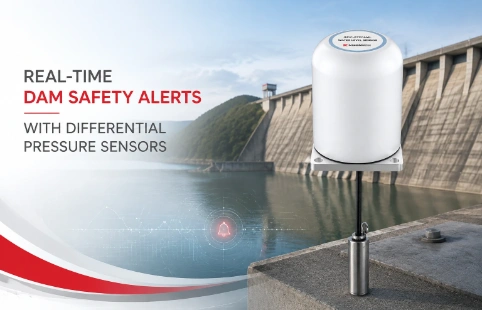
Real-Time Dam Safety Alerts with Differential Pressure Water Level Sensors
Key Takeaways An alert chain needs more than a sensor: define field in...

Strain Gauge Applications That Hold Up in the Field
Strain gauges do a lot of heavy lifting in geotechnical work, often in places nobody sees once the concrete is poured. They’re buried inside piles, welded onto struts behind excavation walls, or bolted into rock anchors high on a dam face. Each reading—a few microstrain here, a shift there—tells a story about how soil and rock are really behaving. Kingmach has been part of this quiet conversation for years. We’ve supplied vibrating wire and electrical resistance gauges for subway projects in soft ground, for bridge foundations where pile strain needed tracking, and for slope stabilization where anchor loads mattered. The pattern we notice? It’s rarely the gauge that fails—it’s the installation detail. This page walks through applications where getting the gauge right made the difference, not because the sensor was special, but because the thinking around it was.
Technical Detail
In geotechnical strain monitoring, the practical stuff matters more than the specification sheet. We’ve seen sites where the same gauge type worked beautifully on one pile and drifted on the next—turned out the zip ties were too tight. At Kingmach, our product range covers the bases: small embedment gauges for confined reinforcement cages, rugged arc-weldable units for steel liners, and waterproof spot-weldable models for temporary struts. Customization is a big part of what we do. Some projects need a 200 mm gauge length to average over aggregate; others want a slim housing to fit inside a hollow anchor bar. We also handle mixed readout setups where a cabin has vibrating wire and resistance strain gauges side by side. Our global distribution network can deliver stock gauges within standard lead times, but more often we’re on calls with site engineers deciding length, cable routing, and waterproofing. Temperature compensation is another friction point—our team walks through both built-in and manual correction approaches. Technical support doesn’t end at shipping: we join online commissioning meetings to spot wiring errors before they turn into bad data. Real-world strain monitoring is less about peak sensitivity and more about survival through curing heat, groundwater, and construction traffic. That’s where experience pays off.
News
Key Takeaways An alert chain needs more than a sensor: define field in...
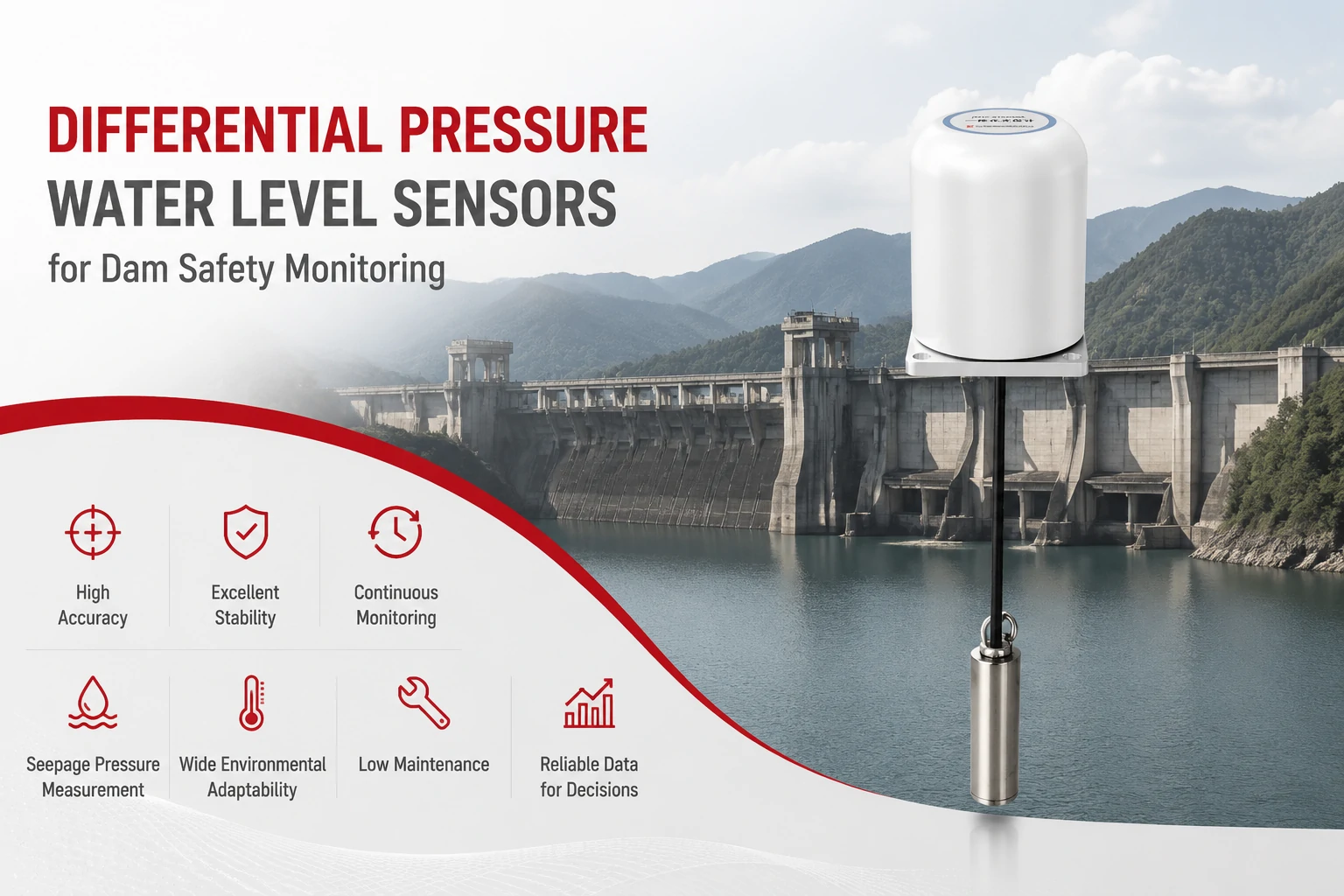
Key Takeaways The strongest fit is usually a confined, submerged, or s...
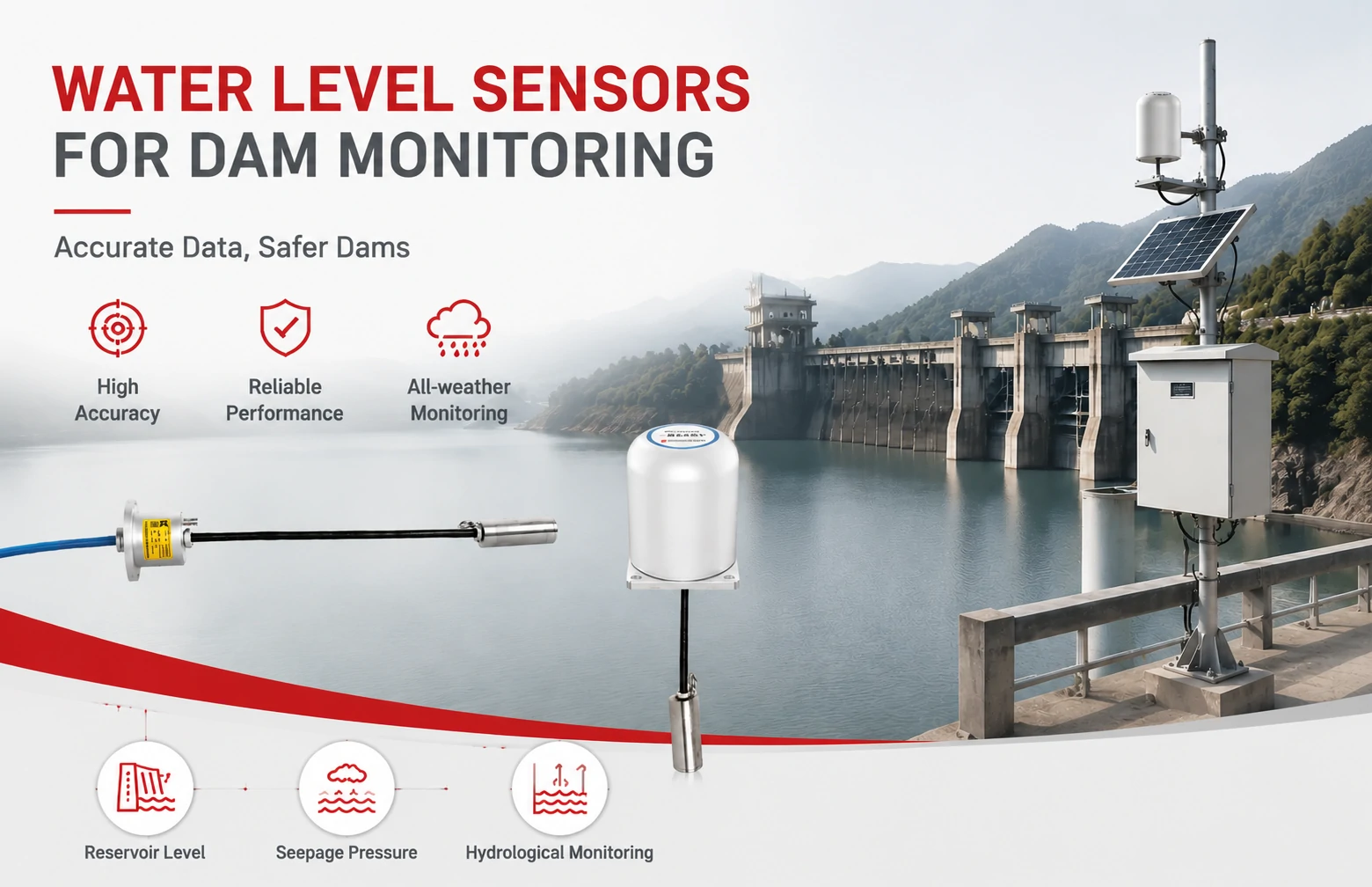
Kingmach Water Level Sensors for Dam Monitoring: A Buyer's Guide to Differential Pre...
Products
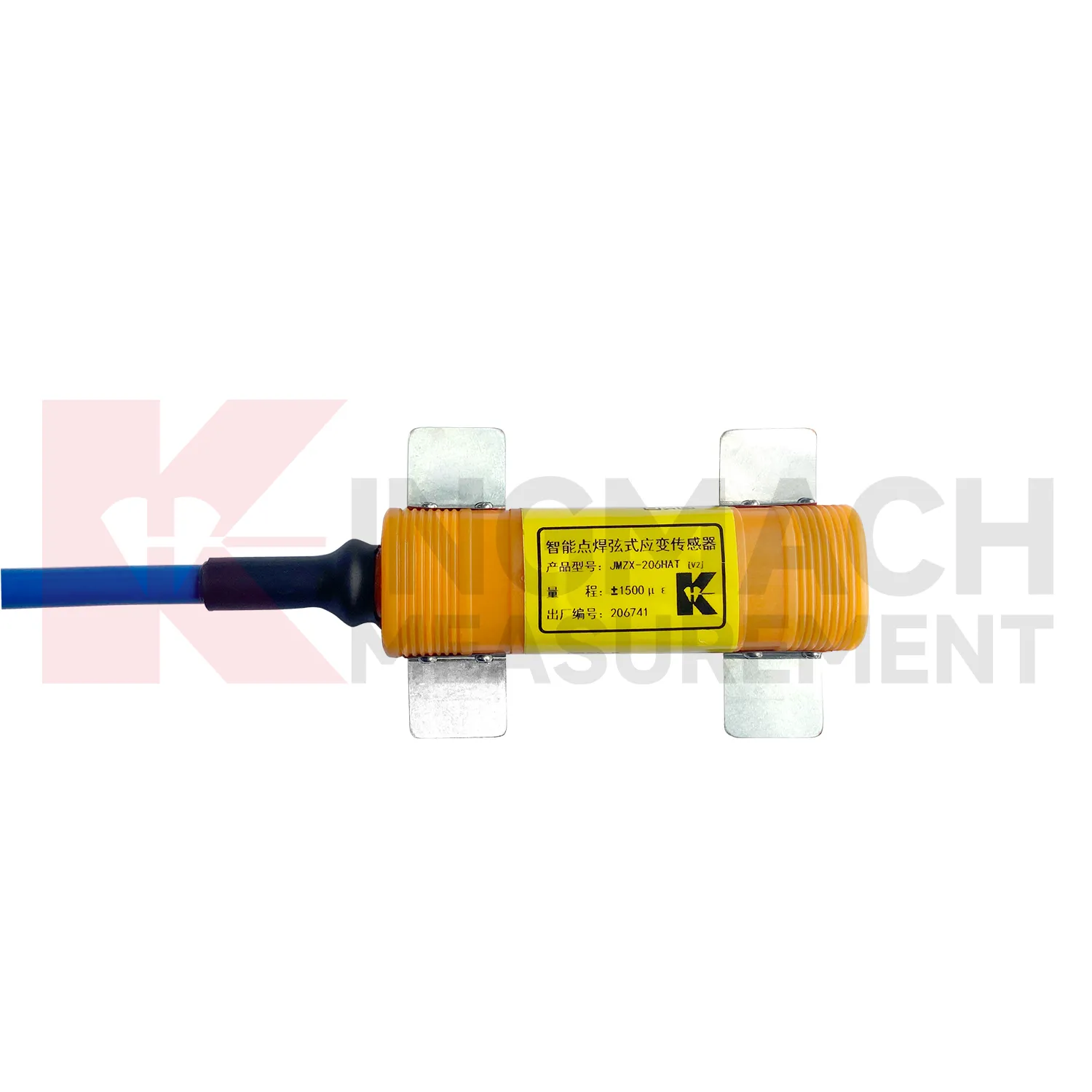
Smart vibrating wire strain gauge (surface welded model) JMZX-206HAT
View Details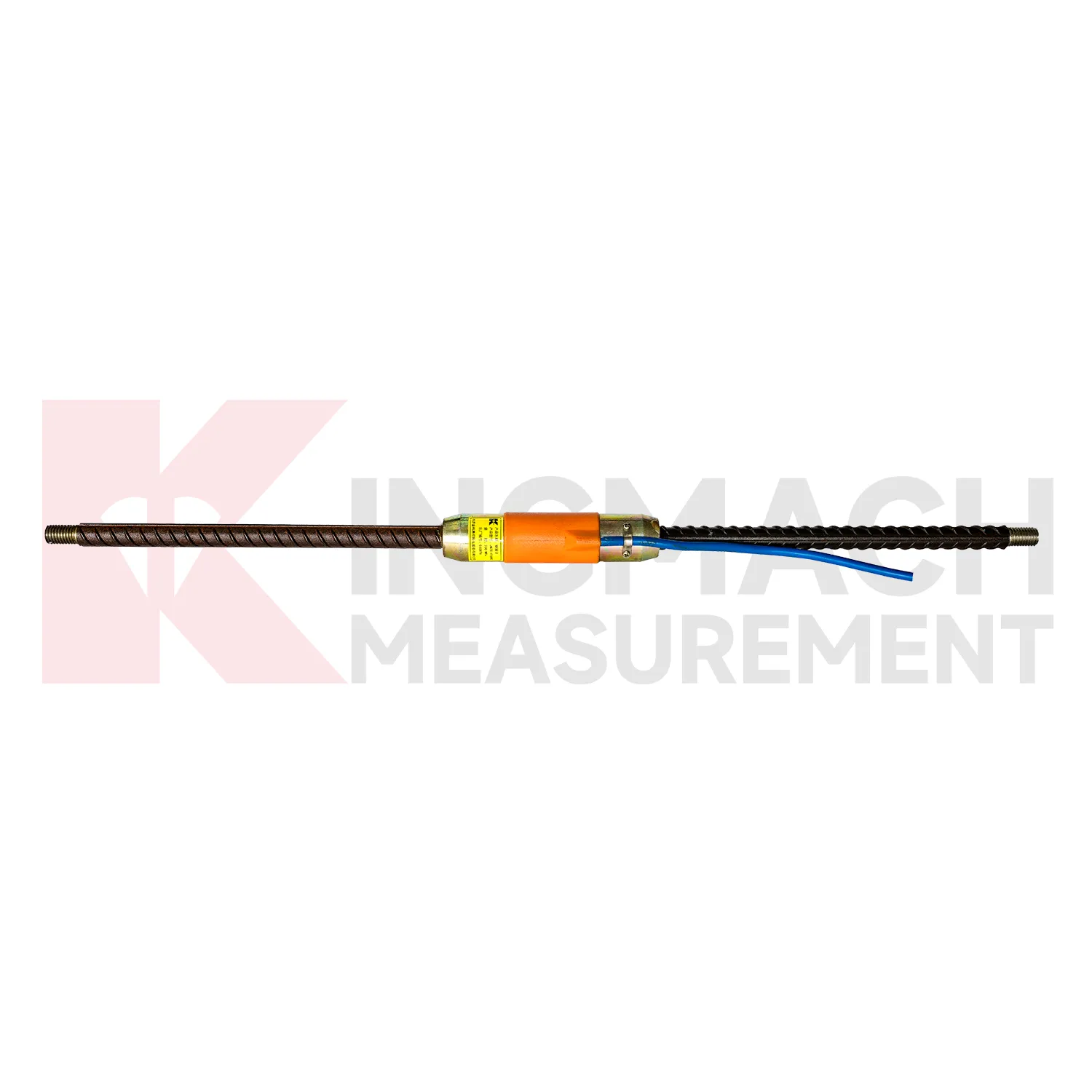
Rebar Strainmeters ( VW & Smart Type) JMZX-4XXHAT/HB
View Details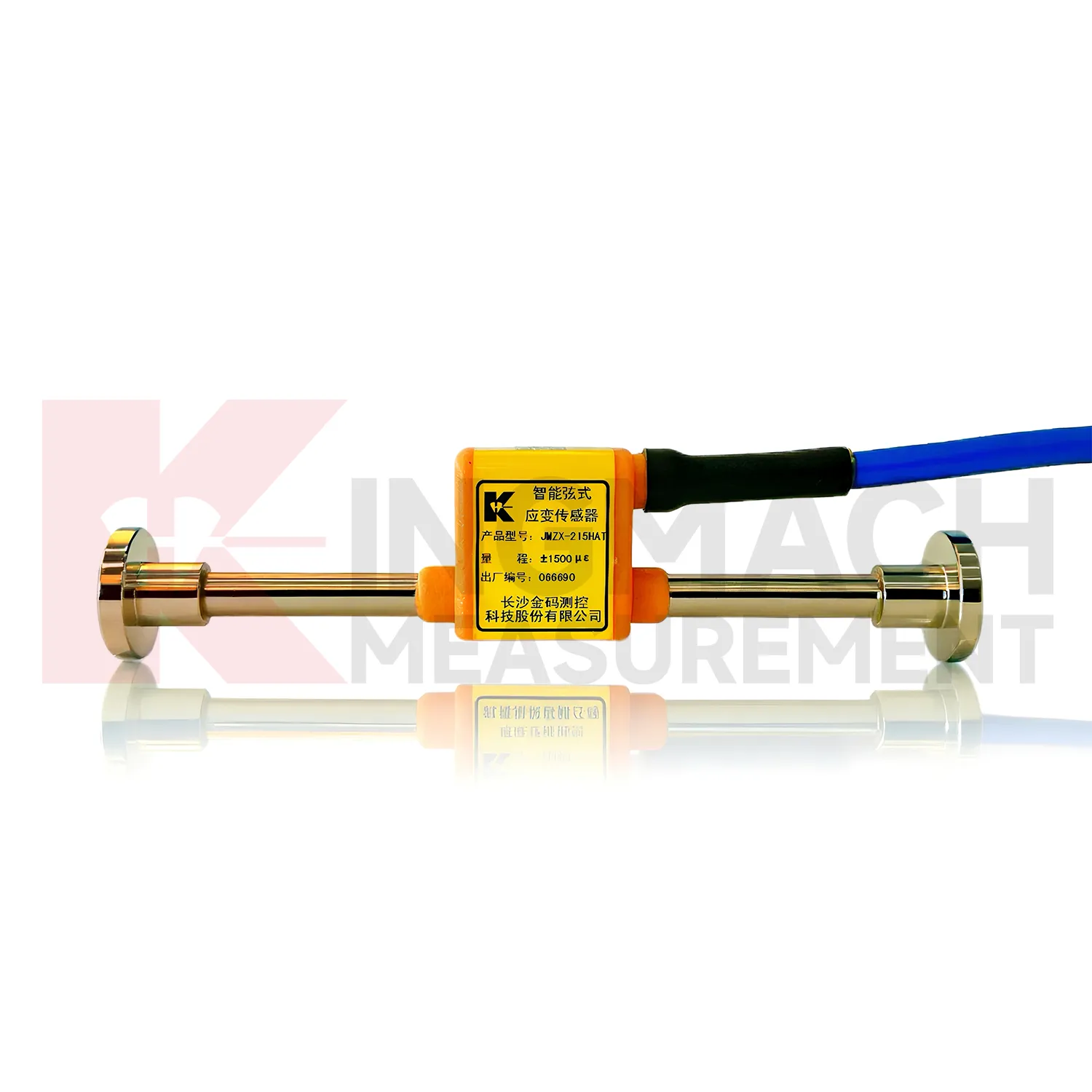
Smart vibrating wire strain gauge (embedment model) JMZX-215HA/215HAT/HB
View DetailsFAQ
Embedment gauges in concrete piles and diaphragm walls account for a large chunk. Weldable gauges on steel struts and arches are also standard, especially in urban excavations where you need to track axial force. Rock bolt and anchor monitoring using strain gauges is another big area, often for slope or dam safety.
Vibrating wire gauges are more stable for long-term monitoring—years, not months—and they’re less sensitive to cable length. Electrical resistance gauges are cheaper and better for dynamic measurements, but they need careful shielding and signal conditioning. We often ask about your readout equipment first.
Poor waterproofing is number one. Even heat-shrink tubing can let moisture in if it’s not done layer by layer. Another frequent issue is misaligned gauge direction—installing 45 degrees off intended axis muddles the strain rosette. And using standard zip ties that loosen after concrete vibration.
Yes, customization is routine for us. Common requests: non-standard gauge lengths, special cable exit angles, or dual-axis configurations. If your project involves very high temperatures or aggressive groundwater, we adjust materials and sealing accordingly. Just share the site conditions.
We provide remote setup guidance, commissioning review, and data interpretation advice. For larger projects, our engineers often dial into site meetings to align monitoring plans with gauge placement. We don’t disappear once the invoice is paid.
Share your product type, target capacity, and application requirements. Our team can review the details and recommend a practical next step.
If you are interested in our products or want to become our partner.
Please leave your contact information, our team will contact you as soon as possible.
Mail: [email protected]
Contact Us: +8613808434127
Address: No. 188 Tongzipo West Rd, Changsha, Hunan, China