
 EN
EN
 ar
ar bg
bg hr
hr cs
cs da
da nl
nl fi
fi fr
fr de
de el
el hi
hi it
it ko
ko no
no pl
pl pt
pt ro
ro ru
ru es
es sv
sv tl
tl iw
iw id
id lv
lv lt
lt sr
sr sk
sk sl
sl uk
uk vi
vi et
et hu
hu th
th tr
tr fa
fa ms
ms hy
hy ka
ka ur
ur bn
bn mn
mn ta
ta kk
kk uz
uz ku
ku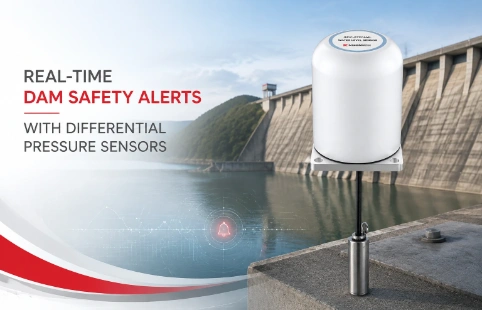
Real-Time Dam Safety Alerts with Differential Pressure Water Level Sensors
Key Takeaways An alert chain needs more than a sensor: define field in...

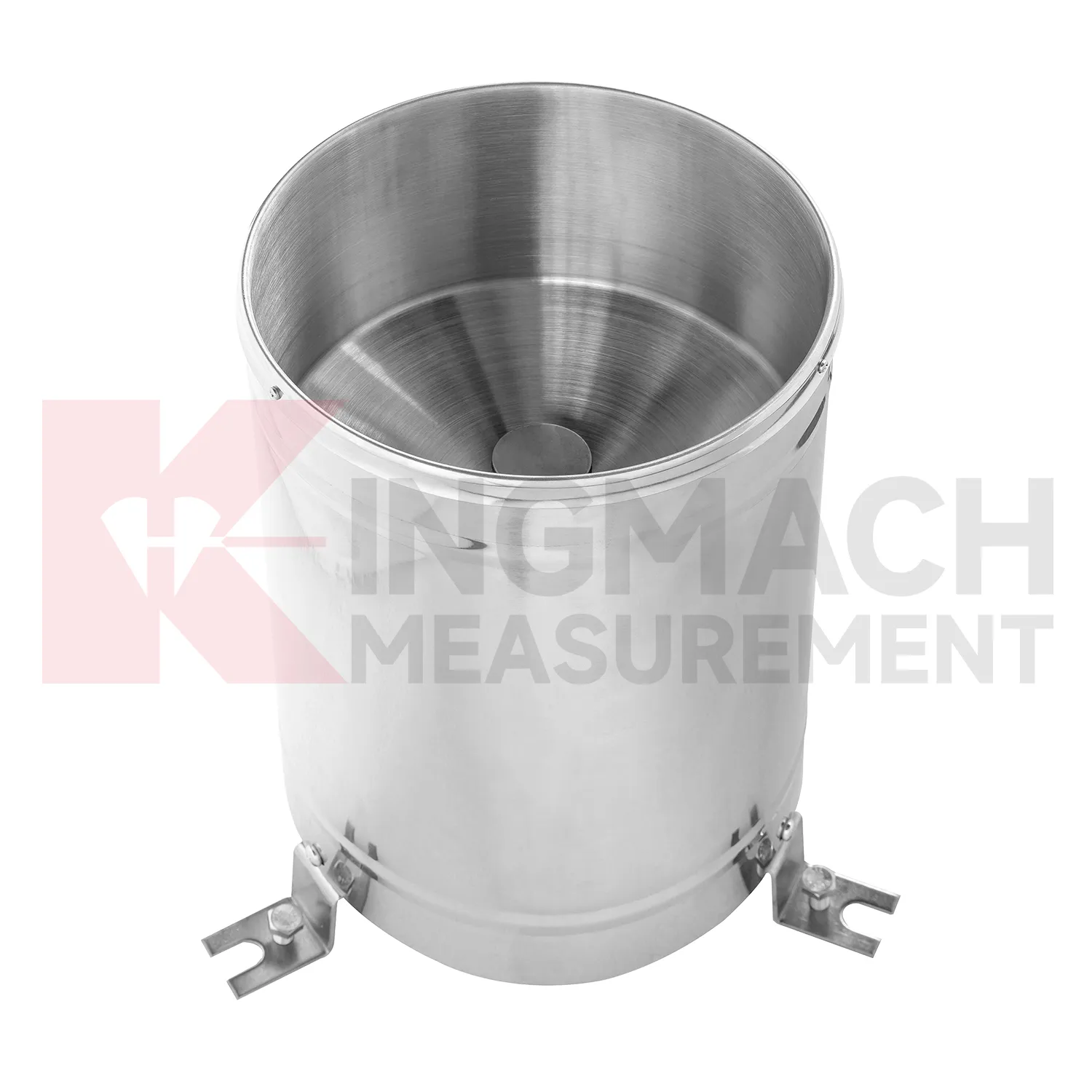
0.2 mm Per Tip Standard Tipping Bucket Rain Gauge
When a rain gauge is expected to sit in the field for years, through storms and dust, the resolution you choose matters as much as the material it’s built from. The 0.2 mm per tip standard is widely adopted not because it’s the finest available, but because it strikes a practical balance: capturing enough detail for most hydrological models without requiring constant maintenance or producing data overload. Kingmach’s version of this standard gauge comes from a manufacturer that focuses on geotechnical and monitoring instruments, so the design reflects field realities – from the funnel shape to the reed switch sealing. Rather than chasing extremes, this model delivers the repeatability that long-term environmental projects actually need.
Technical Detail
A tipping bucket rain gauge built around the 0.2 mm per tip mechanism records each bucket tip as a pulse, making it straightforward to integrate with data loggers, SCADA systems, or telemetry setups. Most units from Kingmach’s range use a durable plastic or metal bucket assembly, with a collecting area of 200 cm² or more – common dimensions that ensure the 0.2 mm resolution remains stable over time. The reed switch output is usually a dry contact closure, which means you can pair it with almost any logger that counts pulses or records events. Stainless steel or anodized aluminum components help the gauge survive prolonged exposure to sun and rain, and screening options keep debris out without restricting flow. Because measurement consistency hinges on the bucket pivot and calibration, Kingmach calibrates each gauge against a known water volume before it leaves the factory. The leveling base and built-in bubble level simplify installation on a concrete pad, pole, or mast. Beyond the standard configuration, customization is possible – different cable lengths, mounting brackets, or signal interfaces – to match specific project requirements. With a global distribution network and in-house technical support, the company can help troubleshoot integration issues or advise on installation for anything from single-site weather stations to catchment-scale monitoring networks. For users who need data that holds up under review by environmental agencies, a gauge with a documented standard resolution and reliable switch timing is often the safer choice.
News
Key Takeaways An alert chain needs more than a sensor: define field in...
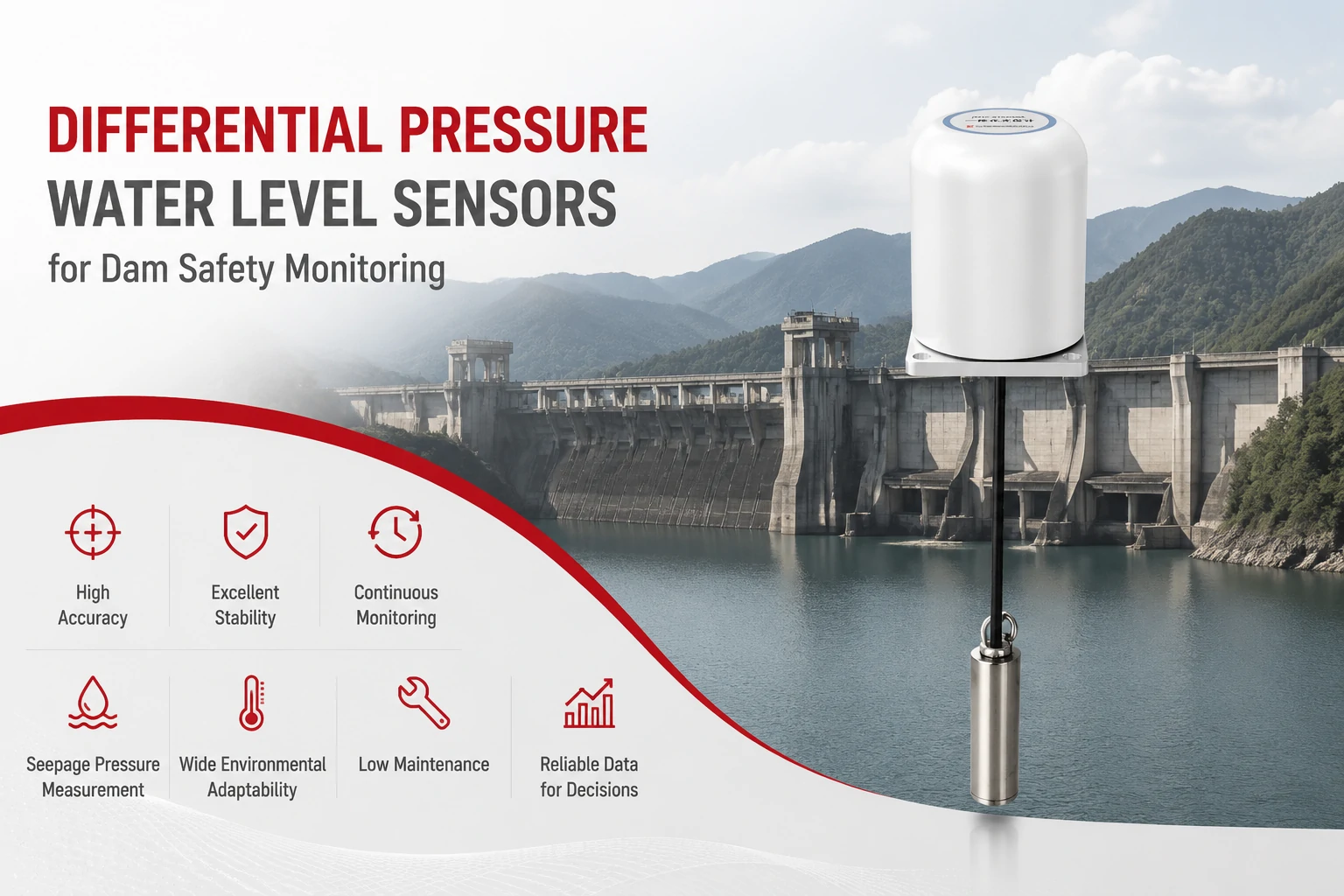
Key Takeaways The strongest fit is usually a confined, submerged, or s...
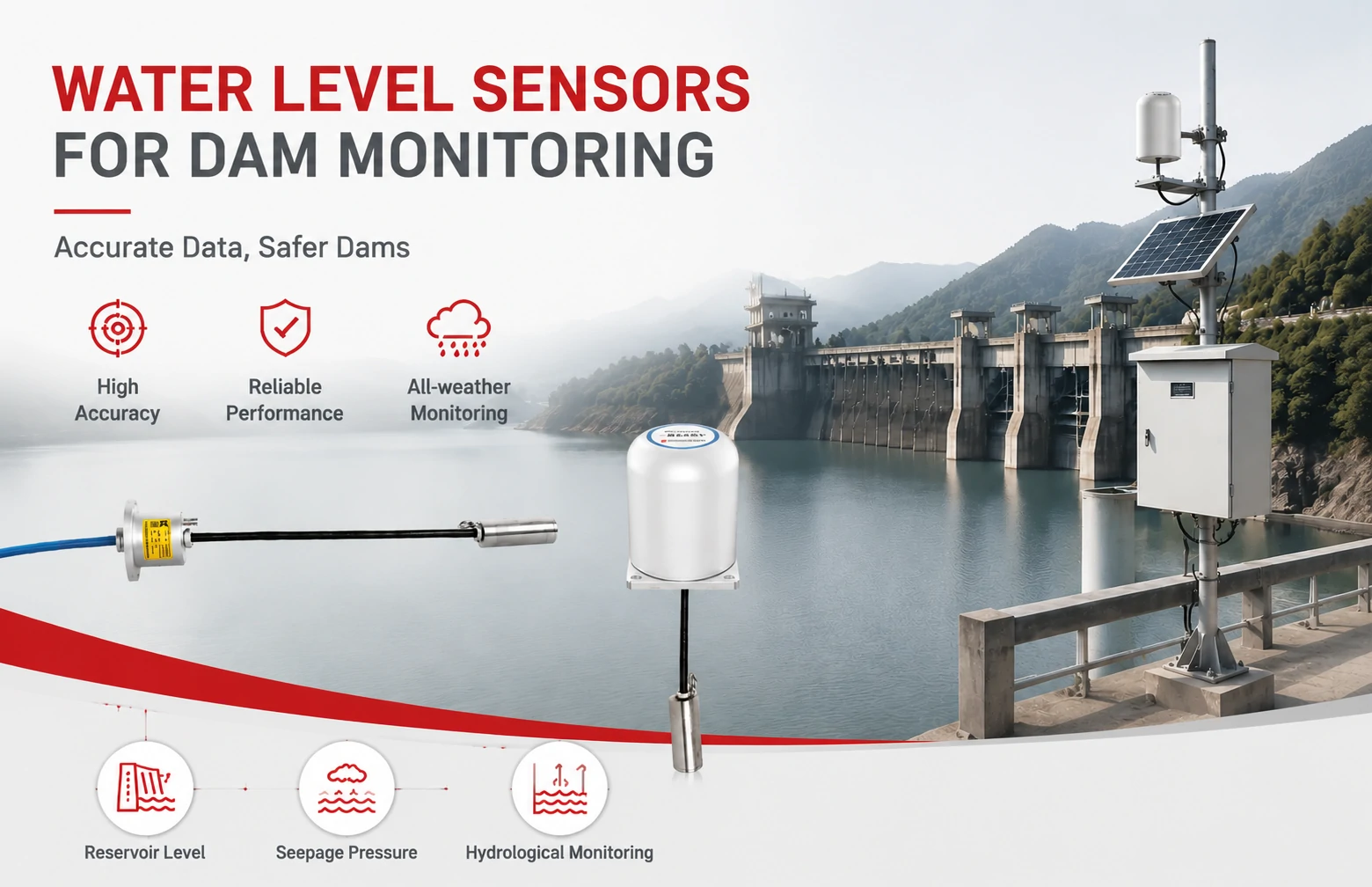
Kingmach Water Level Sensors for Dam Monitoring: A Buyer's Guide to Differential Pre...
Products
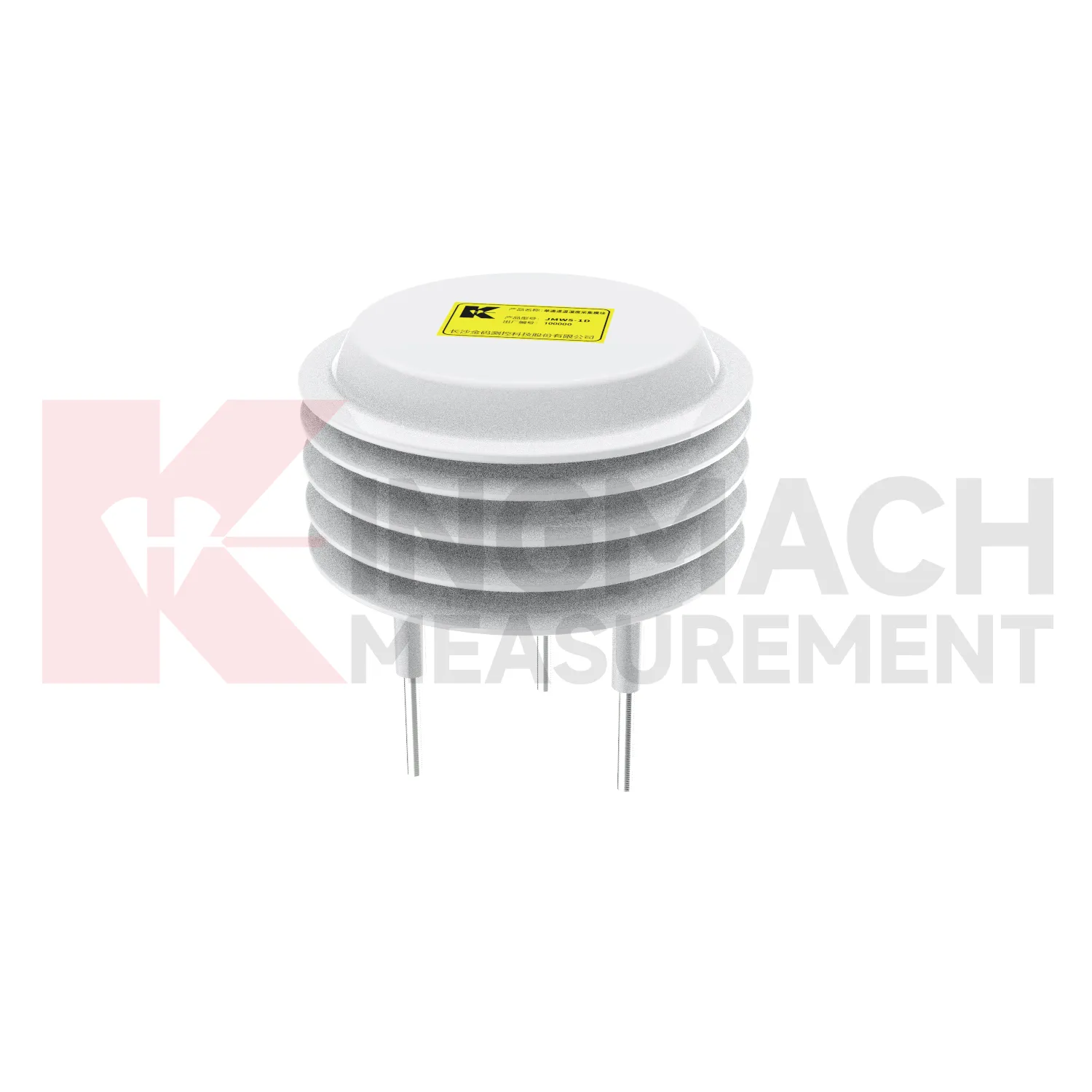
Single-Channel Temperature and Humidity Acquisition Module JMWS-1D
View DetailsFAQ
Historically, 0.2 mm per tip emerged as a compromise between sensitivity and mechanical durability. Finer resolutions like 0.1 mm exist but require lighter buckets and more precise pivots, which can be more prone to sticking or calibration drift. Coarser resolutions (0.5 mm or 1 mm) miss light rainfall events. For hydrological and meteorological monitoring, 0.2 mm provides enough granularity for hourly or daily totals without generating excessive pulse counts that strain logger memory or battery life.
The gauge should be mounted on a stable, vibration‑free platform, away from overhanging obstructions. Use the integrated bubble level to fine‑tune the three‑point leveling screws – even a small tilt changes the effective collecting area and leads to biased readings. For windy sites, a wind shield or ground‑level installation within a pit can reduce undercatch. Kingmach gauges typically include mounting holes for bolting to a concrete base or pole bracket.
Most Kingmach tipping bucket rain gauges use a magnetic reed switch that provides a momentary dry contact closure with each tip. This creates a brief pulse (typically a few milliseconds). You connect the two‑wire cable to a data logger channel configured for pulse counting or a digital input. The logger then sums the pulses and multiplies by 0.2 mm to compute rainfall. Pay attention to debounce filtering if your logger is fast – otherwise mechanical bounce can cause double counting.
Yes. Kingmach offers modifications such as longer cable runs, alternative connector types, mounting brackets for towers or marine applications, and different material choices for corrosive environments. If your project needs a higher or lower resolution, or a particular funnel diameter to match existing standards, the engineering team can usually accommodate those requests.
Regular maintenance is simple but critical. Check the funnel and debris screen for leaves or bird droppings every few months. Verify the bucket mechanism tips freely and clean any biofilm or insect residue from the buckets with a soft brush and mild detergent. Annually recheck the level and do a spot calibration by pouring a known volume of water slowly through the gauge – the number of tips should match the calculated amount within the gauge’s accuracy spec. In freezing climates, heating elements can prevent ice buildup, though that’s usually an optional add‑on.
Share your product type, target capacity, and application requirements. Our team can review the details and recommend a practical next step.
If you are interested in our products or want to become our partner.
Please leave your contact information, our team will contact you as soon as possible.
Mail: [email protected]
Contact Us: +8613808434127
Address: No. 188 Tongzipo West Rd, Changsha, Hunan, China